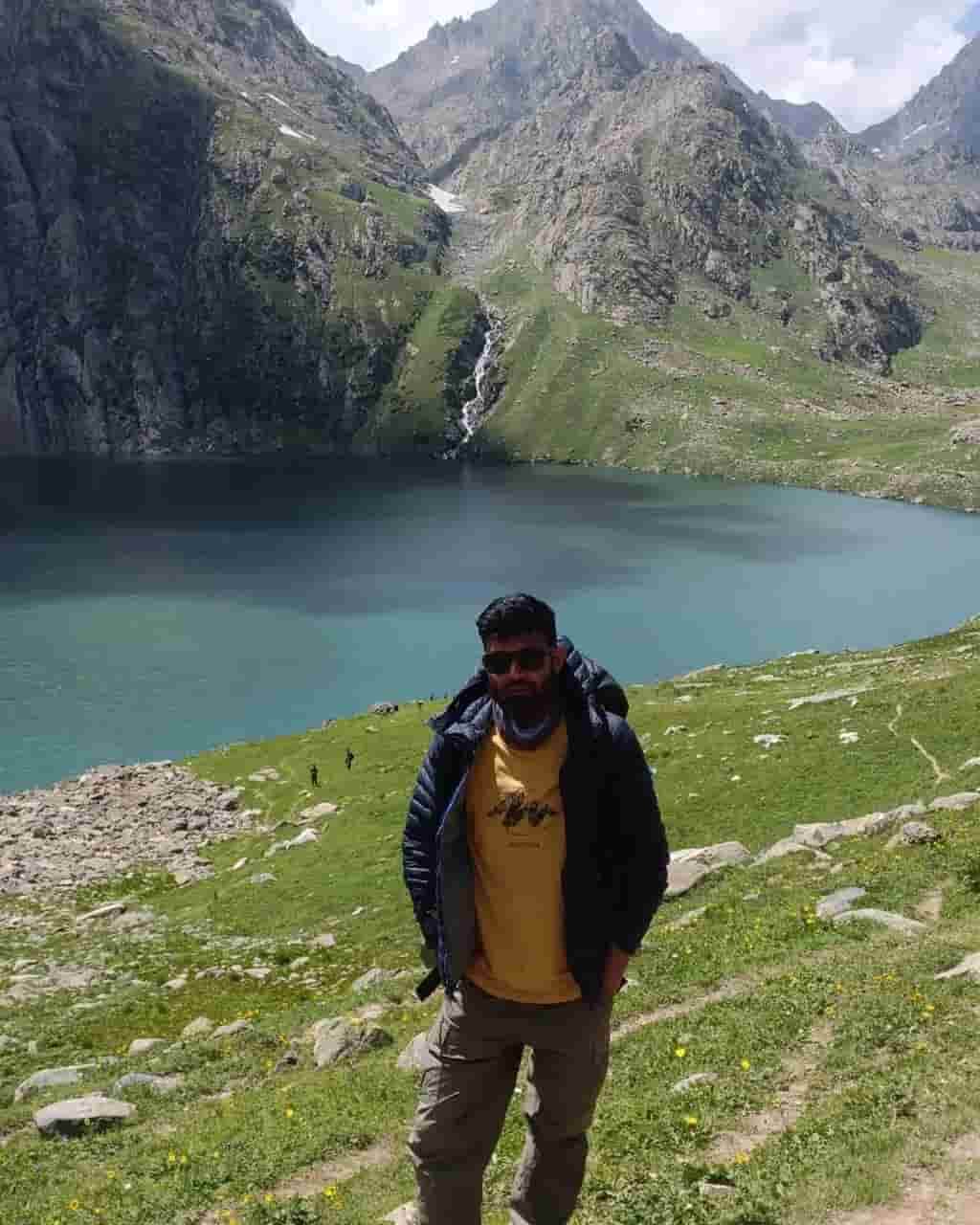
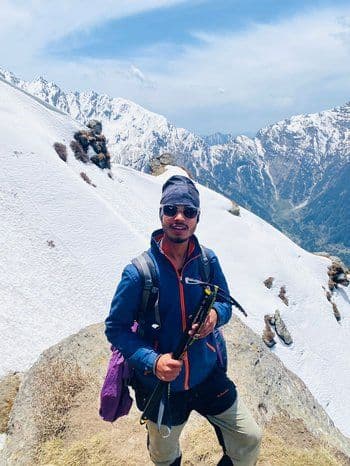
The Nar Phu Valley Trek is one of the most remote and culturally preserved trekking routes in Nepal’s Annapurna region. This offbeat Himalayan adventure takes you to the hidden villages of Nar and Phu near the Tibetan border, offering dramatic landscapes, ancient monasteries, and an authentic Tibetan cultural experience.
Reaching a maximum altitude of 5,320 meters at Kang La Pass, the trek is ideal for experienced trekkers seeking a quieter alternative to the Annapurna Circuit. Along the journey, trekkers are rewarded with breathtaking views of Annapurna II, Gangapurna, Tilicho Peak, Himlung Himal, and several other snow-capped Himalayan giants.
The trek begins from Koto and gradually ascends through forests, suspension bridges, and narrow gorges toward Meta. As you move deeper into the valley, the terrain becomes increasingly rugged and barren, creating a dramatic high-altitude landscape. The trail then leads to the isolated Phu Village, known for its ancient monasteries, chortens, and striking mountain views. An acclimatization day in Phu allows trekkers to explore the village while adjusting safely to the altitude.
From Phu, the route continues toward Nar Phedi and then ascends to Nar Village, a traditional Himalayan settlement offering panoramic views of surrounding peaks. After another acclimatization day, the most challenging section of the trek begins crossing Kang La Pass (5,320 m). The steep climb is physically demanding but rewards trekkers with spectacular 360-degree Himalayan panoramas before descending to Ngawal, where the trail connects with the Annapurna Circuit.
The trek then continues to Manang before returning via Besisahar to Kathmandu, concluding an unforgettable journey through one of Nepal’s most culturally preserved and remote Himalayan valleys.
Best Time to Visit Nar Phu Valley Trek
Choosing the right season is essential for a safe and enjoyable Nar Phu Valley Trek, as weather conditions directly influence trail accessibility, high pass crossings, and overall trekking comfort. Since this is a remote and restricted region of Nepal, proper seasonal planning ensures clear mountain views, safer trail conditions, and a truly rewarding Himalayan experience.
Spring Season (March to May)
Temperatures: Spring is one of the best seasons for the Nar Phu Valley Trek. At lower elevations like Koto (2,600 m), daytime temperatures range between 15°C and 22°C, while in higher villages such as Nar (4,110 m) and Phu (4,080 m), daytime temperatures typically range between 8°C and 15°C. At Kang La Pass (5,322 m), temperatures are much colder, especially in the early morning, often dropping to -5°C to -10°C. Nights in the valley usually range between 0°C and 5°C, so warm layers are essential.
Weather Conditions: Spring offers stable weather, clear skies, and excellent mountain visibility, making it ideal for high-altitude trekking and photography. The landscapes begin to bloom with alpine flowers, and the surrounding peaks such as Annapurna II, Annapurna IV, Gangapurna, Tilicho Peak, and Himlung Himal appear stunning under clear blue skies. The weather conditions are generally favorable for crossing Kang La Pass, though early morning starts are recommended due to colder winds at higher elevations. Compared to the Annapurna Base Camp route, Nar Phu remains less crowded, offering a more secluded trekking experience.
Autumn Season (September to November)
Temperatures: Autumn provides cool and comfortable trekking conditions in the Nar Phu Valley. At lower elevations, daytime temperatures remain pleasant, while in Nar and Phu villages, daytime temperatures range between 5°C and 15°C. Night temperatures often drop below freezing, especially in October and November. At Kang La Pass, temperatures can fall to -10°C or lower, so proper insulated clothing and gear are crucial.
Weather Conditions: Autumn is considered the best season for the Nar Phu Valley Trek due to stable post-monsoon weather and exceptionally clear skies. The air is crisp, and mountain views are at their sharpest, offering spectacular panoramas of the Annapurna range and surrounding Himalayan peaks. The trails are dry and more stable after the monsoon, making high pass crossings safer. Since Nar Phu is a restricted and remote region, it remains significantly less crowded even during peak season, making autumn perfect for trekkers seeking cultural immersion, untouched landscapes, and dramatic Himalayan scenery.
Both spring and autumn provide the safest and most rewarding conditions for the Nar Phu Valley Trek, especially for crossing high-altitude passes and exploring this remote Himalayan region comfortably.
Why Nar Phu Valley Trek is Special
Unlike commercial trekking routes in Nepal, the Nar Phu Valley remains untouched and culturally authentic. The trek allows you to explore the isolated villages of Nar (4,110 m) and Phu (4,080 m), where traditional Tibetan lifestyle, centuries-old monasteries, and prayer-flag-lined trails define the atmosphere.This journey combines high mountain adventure with deep cultural immersion and dramatic Himalayan scenery. The restricted area permit system also ensures fewer trekkers on the trail, making the experience peaceful and exclusive.
Nar Phu Valley Trek Highlights
· Cross Kang La Pass (5,320 m)
· Explore ancient Phu and Nar villages
· Visit the historic Tashi Lhakhang Monastery
· Experience authentic Tibetan-influenced culture
· Witness panoramic views of 7,000-meter Himalayan peaks
· Connect with the iconic Annapurna Circuit trail
· Major Peaks Visible – Nar Phu Valley Trek
The Nar Phu Valley Trek offers spectacular views of some of the highest mountains in the Annapurna region. Throughout the trek especially from Phu Village and Kang La Pass (5,320 m) trekkers witness magnificent Himalayan peaks including Himlung Himal (7,126 m), Annapurna II (7,937 m), Annapurna III, Gangapurna, Tilicho Peak, Pisang Peak, Chulu East, and Kang Guru. The panoramic 360-degree views from Kang La Pass are among the most breathtaking highlights of this remote Himalayan expedition.
Nar Phu Valley Trek Difficulty Level
The Nar Phu Valley Trek is considered a moderate to challenging trek due to its remote location, rugged terrain, and high-altitude pass crossing at Kang La Pass (5,322 m). Unlike more commercial routes in the Annapurna region, Nar Phu takes trekkers into a restricted and less-developed Himalayan valley, requiring stronger endurance and better preparation.
No technical climbing skills are required, but the combination of high altitude, long walking days, and isolated trails makes it more demanding than standard Annapurna treks. Proper physical fitness, mental resilience, and careful acclimatization are essential for a safe and successful journey.
Proper Gear and Clothing
Carrying appropriate trekking gear is crucial for comfort and safety in Nar Phu Valley. Weather conditions vary significantly — from moderate temperatures at lower elevations like Koto to freezing conditions in Nar, Phu, and especially at Kang La Pass.
Layered clothing is highly recommended, including:
Thermal base layers
Insulated down jacket
Windproof and waterproof outer shell
Warm gloves and hat
High-quality trekking boots with good grip
Due to the remote terrain and possible snowfall at higher elevations, proper gear plays a vital role in ensuring safety and comfort.
Hydration and Nutrition
Staying well-hydrated is extremely important, especially at higher elevations above 4,000 meters. Dehydration increases the risk of altitude sickness and fatigue. Trekkers should drink sufficient water daily and consider warm fluids like soups and herbal teas available in tea houses.
Balanced, energy-rich meals — including rice, lentils, noodles, potatoes, and soups — help maintain stamina during long and physically demanding trekking days.
Weather Awareness and Itinerary Flexibility
Weather in Nar Phu Valley can change rapidly, particularly near Kang La Pass. Strong winds, sudden snowfall, or temperature drops are possible even during peak seasons.
Trekkers should remain flexible with their itinerary, as pass crossings may require early starts or slight schedule adjustments depending on weather conditions. Proper planning during spring (March–May) and autumn (September–November) significantly improves safety and visibility.
Emergency Preparedness
Nar Phu Valley is a remote and restricted trekking region with limited facilities and connectivity. Mobile networks may not work in many sections of the trail. Therefore, emergency preparedness is especially important.
Carrying basic medical supplies, altitude medication (if prescribed), and trekking with experienced guides enhances safety. In case of severe emergencies, helicopter evacuation may be required from higher villages.
Travel Insurance
Comprehensive travel insurance is strongly recommended for the Nar Phu Valley Trek. Your policy must cover:
High-altitude trekking above 5,000 meters
Medical emergencies
Helicopter evacuation
Given the remote terrain and high pass crossing, proper insurance coverage is essential.
Physical Fitness and Mental Readiness
A strong level of physical fitness is required for this trek. Daily walking hours typically range between 5 to 8 hours, with a longer and more demanding day during the Kang La Pass crossing.
Preparing with cardiovascular training (running, cycling, hiking), strength training for legs, and endurance exercises is highly beneficial. Mental preparedness is equally important, as the remote landscapes, basic facilities, and continuous high-altitude trekking can be both physically and mentally demanding.
Acclimatization and Pace
The Nar Phu Valley Trek reaches elevations above 5,300 meters, making proper acclimatization crucial. Gradual ascent, scheduled acclimatization days in Nar or Phu villages, steady pacing, and regular hydration help your body adjust safely.
Trek slowly, listen to your body, and avoid rushing — the key to successfully completing the Nar Phu Valley Trek lies in patience, preparation, and respecting the altitude.
Attaining the Height of Nar Phu Valley Trek
The Nar Phu Valley Trek is considered a moderately to challenging Himalayan adventure due to its remote terrain, high-altitude villages, and the crossing of Kang La Pass (5,322 m). Unlike popular trekking routes, Nar Phu is a restricted and less-traveled region, offering a raw and authentic mountain experience. While no technical climbing skills are required, trekkers must have good physical fitness, mental resilience, and proper preparation to comfortably complete this high-altitude journey.
Altitude Challenges
One of the primary challenges of the Nar Phu Valley Trek is significant altitude gain combined with remote conditions. The trek typically begins around 2,600 meters at Koto and gradually ascends to 4,080 meters at Phu Village and 4,110 meters at Nar Village, before crossing the highest point at Kang La Pass (5,322 m).
As elevation increases, oxygen levels decrease, which may lead to fatigue, shortness of breath, or mild altitude-related symptoms. The high pass crossing requires an early start and steady pacing due to thin air and colder temperatures. Our itinerary is carefully designed with gradual ascent and acclimatization days in Nar and Phu villages to help your body adjust safely and reduce the risk of altitude sickness.
Terrain and Weather Conditions
The Nar Phu Valley trail is more rugged and remote compared to many other Annapurna region treks. The route includes narrow mountain trails, rocky paths, suspension bridges, landslide-prone sections, alpine meadows, and high mountain passes. The approach from Koto to Phu follows a dramatic canyon carved by the Phu Khola, with steep and exposed sections in some areas.
Weather conditions can change quickly, particularly near Kang La Pass. Strong winds, sudden temperature drops, or light snowfall are possible at higher elevations. During spring and autumn, the skies are usually clear, offering magnificent views of Annapurna II, Annapurna IV, Gangapurna, Tilicho Peak, and Himlung Himal, but trekkers must still be prepared for unpredictable mountain weather.
Physical Endurance Requirements
A good level of physical fitness is essential for completing the Nar Phu Valley Trek. Daily walking hours typically range from 5 to 8 hours, with longer and more demanding days during the Kang La Pass crossing. The high altitude and remote terrain make this trek more physically demanding than standard Annapurna routes.
We recommend preparing in advance with cardiovascular training (such as hiking, jogging, or cycling), leg-strengthening exercises, and endurance workouts. Mental determination and steady pacing are equally important. With proper preparation and acclimatization, the trek becomes a deeply rewarding and adventurous experience.
Remote and Basic Facilities
Accommodation in the Nar Phu Valley consists of simple local tea houses with basic facilities due to the region’s remoteness. Rooms are typically twin-sharing, and bathrooms are mostly shared. Electricity and internet connectivity may be limited or available only for an additional charge.
Meals are freshly prepared and nourishing, usually including traditional Nepali dishes, soups, noodles, rice, and simple continental options. While the facilities are basic, the warm hospitality of local communities and the untouched Himalayan surroundings make the experience unique and memorable.
The Nar Phu Valley Trek is ideal for trekkers seeking solitude, authentic Tibetan-influenced culture, dramatic landscapes, and the thrill of crossing a high Himalayan pass — all without technical climbing, but with proper preparation and respect for altitude.
Which Peaks Are Visible on the Trail of Nar Phu Valley Trek
The Nar Phu Valley Trek offers some of the most dramatic and less-crowded mountain views in the Annapurna region. Unlike the Annapurna Base Camp trail, this trek takes you into a remote Himalayan valley near the Tibetan border, where towering peaks rise above rugged cliffs, ancient villages, and vast alpine landscapes. The scenery throughout the journey feels raw, isolated, and truly adventurous.
From Koto and Meta, trekkers begin to witness impressive views of Annapurna II (7,937 m) and Lamjung Himal (6,983 m). As the trail follows the deep canyon carved by the Phu Khola, snow-capped peaks gradually appear above the rocky valley walls, creating a striking contrast between barren landscapes and icy summits.
As you approach Phu Village (4,080 m), the views become even more spectacular. The majestic Himlung Himal (7,126 m) dominates the skyline, along with Pisang Peak (6,091 m) and other unnamed high Himalayan ridges. The high-altitude desert-like terrain, combined with ancient Tibetan-influenced settlements, adds a unique charm to the mountain backdrop.
From Nar Village (4,110 m) and during the crossing of Kang La Pass (5,322 m), trekkers are rewarded with panoramic views of some of the most stunning peaks in the Annapurna massif. The summit of Kang La offers breathtaking vistas of:
Annapurna II (7,937 m)
Annapurna III (7,555 m)
Annapurna IV (7,525 m)
Gangapurna (7,455 m)
Tilicho Peak (7,134 m)
Chulu East (6,584 m)
The sweeping Himalayan panorama from Kang La Pass is one of the major highlights of the Nar Phu Valley Trek, offering a dramatic 360-degree mountain view that feels wild and untouched.
Overall, the Nar Phu Valley Trek presents a powerful combination of remote landscapes, high mountain passes, and towering Himalayan giants, making it a perfect choice for trekkers seeking solitude, cultural richness, and extraordinary alpine scenery
How to Reach Nar Phu Valley Trek Starting Point
The trek officially begins from Koto, located in the Annapurna region of Nepal.
To reach Koto:
· Drive from Kathmandu to Besisahar (7–8 hours).
· From Besisahar, take a jeep drive to Koto (6–7 hours).
· Kathmandu’s Tribhuvan International Airport is the nearest international airport for trekkers arriving from abroad.
Factors Related to Safety in Nar Phu Valley Trek
Safety is a crucial aspect of the Nar Phu Valley Trek, as the journey involves high-altitude trekking, crossing Kang La Pass (5,322 m), rugged terrain, and remote mountain settlements. Being a restricted and less-developed region of the Annapurna area, Nar Phu requires careful planning, proper acclimatization, and strong awareness to ensure a safe and successful trekking experience.
Proper Acclimatization
The Nar Phu Valley Trek reaches elevations above 5,300 meters, making acclimatization extremely important. Gradual ascent through villages like Meta, Phu (4,080 m), and Nar (4,110 m) allows the body to adjust naturally before crossing Kang La Pass.
Trekkers should be aware of early altitude sickness symptoms such as headache, dizziness, nausea, fatigue, or shortness of breath. Immediate communication with the guide is essential if any discomfort appears. A well-designed itinerary with acclimatization days significantly reduces health risks.
Experienced Guides and Local Support
Since Nar Phu is a restricted and remote trekking region, trekking with a licensed guide is mandatory and highly important for safety. Experienced guides are familiar with isolated trails, landslide-prone sections, weather patterns, and high-pass conditions.
Their expertise is especially valuable during the Kang La Pass crossing, navigating rocky terrain, and handling emergencies in areas with limited connectivity.
Physical Preparation
The remote trails, long walking hours (5–8 hours daily), and high-altitude conditions make this trek physically demanding. Pre-trek preparation with cardiovascular exercises, leg-strength training, and endurance workouts helps reduce the risk of exhaustion and injury.
Strong physical fitness allows trekkers to maintain steady pacing and conserve energy during steep ascents and pass crossings.
Weather Awareness and Route Safety
Weather conditions in Nar Phu Valley can change rapidly, particularly at higher elevations and near Kang La Pass. Strong winds, snowfall, or sudden temperature drops are possible even in peak seasons.
Trekkers should remain flexible with their itinerary and follow the guide’s instructions carefully. Avoid walking alone, stick to established trails, and start early on high-pass crossing days to ensure safer conditions.
Proper Gear and Equipment
Appropriate trekking gear is essential for safety in this high-altitude and remote region. Trekkers should carry:
Insulated down jacket and thermal layers
Waterproof and windproof outerwear
High-quality trekking boots with strong grip
Warm gloves, hat, and sunglasses
Trekking poles for balance on rocky and steep sections
Proper equipment reduces the risk of cold-related issues, slips, and fatigue.
Hydration and Nutrition
Hydration plays a vital role in preventing altitude sickness and maintaining stamina. Drink adequate water daily and consume warm fluids such as soups and herbal teas.
Balanced meals rich in carbohydrates and proteins help restore energy during demanding trekking days. Alcohol and smoking should be strictly avoided at higher elevations.
Emergency Preparedness and Communication
Nar Phu Valley has limited mobile network coverage and basic medical facilities. Therefore, emergency preparedness is essential.
Guides are trained to handle altitude-related issues and coordinate evacuations if necessary. In severe cases, helicopter evacuation may be required from Nar or nearby villages. Carrying a basic first-aid kit and prescribed medications adds an extra layer of safety.
Travel Insurance
Comprehensive travel insurance is strongly recommended for the Nar Phu Valley Trek. Ensure that your insurance policy covers:
High-altitude trekking above 5,000 meters
Medical emergencies
Helicopter evacuation
Proper insurance coverage provides financial protection and peace of mind while trekking in this remote Himalayan region.
With careful planning, proper acclimatization, experienced guidance, and respect for altitude, the Nar Phu Valley Trek can be a safe, adventurous, and deeply rewarding Himalayan journey.
How to Prepare for Nar Phu Valley Trek
Prepare yourself for a truly remote and adventurous Himalayan journey with TrekYaari as you get ready for the Nar Phu Valley Trek. This off-the-beaten-path trek combines high-altitude challenges, ancient Tibetan-influenced culture, dramatic landscapes, and the thrilling crossing of Kang La Pass (5,322 m). With proper preparation, the trek becomes safe, rewarding, and deeply memorable.
Understanding the Trek Route
The Nar Phu Valley Trek usually begins with a drive to Koto via Besisahar and Chame. From Koto, the trail leaves the popular Annapurna Circuit and enters a remote valley following the Phu Khola river.
The route passes through isolated settlements like Meta, Phu Village (4,080 m), and Nar Village (4,110 m) before crossing the challenging Kang La Pass, which connects to Ngawal in the Annapurna Circuit.
The journey offers dramatic canyons, high cliffs, ancient monasteries, yak pastures, and vast alpine terrain, making it one of the most unique trekking routes in Nepal.
Altitude Acclimatization
Since the trek reaches elevations above 5,300 meters, proper acclimatization is essential. Gradual ascent and rest days in Phu or Nar help the body adjust naturally to reduced oxygen levels.
Maintain a steady pace, stay hydrated, and monitor your health closely. Recognizing early symptoms of altitude sickness—such as headache, dizziness, or nausea—is important for a safe trekking experience.
Physical and Mental Preparation
The Nar Phu Valley Trek is more demanding than standard Annapurna routes due to its remoteness and high pass crossing. Begin training at least 6–8 weeks before the trek, focusing on:
Cardiovascular endurance (running, hiking, cycling)
Leg strength training (squats, lunges, stair climbing)
Core stability and stamina workouts
Mental preparation is equally important. The remote terrain, basic facilities, and long trekking days (5–8 hours) require patience, determination, and a positive mindset.
Cultural Experience and Local Interaction
Nar and Phu villages offer a rare glimpse into preserved Tibetan-influenced culture. Ancient monasteries, prayer wheels, mani walls, and stone-built houses reflect centuries-old traditions.
Interacting respectfully with the local communities adds meaningful cultural depth to the trek, making the journey more than just a physical adventure.
Panoramic Himalayan Views
Throughout the trek, you will witness breathtaking views of:
Annapurna II, III, and IV
Gangapurna
Tilicho Peak
Himlung Himal
Pisang Peak
Chulu East
The highlight is the panoramic 360-degree view from Kang La Pass, where the Annapurna massif unfolds dramatically against the Himalayan skyline.
Crossing Kang La Pass
Reaching and crossing Kang La Pass (5,322 m) is the most thrilling part of the trek. The early morning ascent rewards trekkers with spectacular mountain views and a strong sense of achievement. Proper pacing, warm clothing, and guidance are essential on this demanding day.
Best Seasons to Trek
The best time for the Nar Phu Valley Trek is:
Spring (March to May) – Clear skies, stable weather, blooming alpine landscapes.
Autumn (September to November) – Crisp air, excellent visibility, and ideal high-pass conditions.
These seasons provide safer weather windows for crossing Kang La Pass.
Permits and Trek Logistics
Nar Phu Valley is a restricted trekking area, requiring special permits, including:
Restricted Area Permit (RAP)
Annapurna Conservation Area Permit (ACAP)
A licensed guide is mandatory. Booking permits, guides, porters, and accommodations in advance ensures a smooth and well-managed trekking experience.
Essential Gear and Packing
Proper gear is critical for safety and comfort. Essential items include:
High-quality trekking boots
Layered clothing (thermal base layers, fleece, down jacket)
Waterproof and windproof outerwear
Warm gloves, hat, and sunglasses
Sleeping bag suitable for sub-zero temperatures
Trekking poles
Personal medical kit
Being well-equipped prepares you for changing mountain weather and high-altitude conditions.
With the right preparation, mindset, and expert guidance, the Nar Phu Valley Trek transforms into a powerful and life-changing Himalayan adventure. It is not just a trek—it is an exploration of remote landscapes, preserved culture, and personal endurance.
Walking through dramatic canyons, ancient stone villages, yak pastures, and high mountain passes, every day offers raw beauty and authentic Himalayan experiences.
At TrekYaari, we are committed to supporting you at every step—from careful planning and permit arrangements to acclimatization support and experienced local guidance. Whether this is your first high-altitude expedition or a new chapter in your mountain journey, the Nar Phu Valley Trek promises an unforgettable adventure that will stay with you long after you leave the Himalayas.