trekyaari logo
Langtang Vellay Summit Camp

Langtang Valley Trek


duration
Duration8 Days
max-altitude
Max Altitude5,364 m (17,597 ft)
difficulty
Difficultymoderate
trek-distance icon
Trek Distance110 km
pick-up-point icon
Pickup PointKathmandu
best-timing
Best TimeMar to Jun, Sep to Dec

Package Options

Trekking
Selected
Kathmandu to Kathmandu
Kathmandu
Kathmandu
8 Days
Trek Distance69 km
₹25,000
per person|8 Days

About

The Langtang Valley Trek is one of Nepal’s most scenic and culturally rich trekking adventures, offering a perfect blend of Himalayan landscapes, high-altitude terrain, and authentic mountain culture. Located just north of Kathmandu near the Tibetan border, this trek lies within Langtang National Park, Nepal’s first Himalayan national park. The trail reaches elevations of around 3,870 meters at Kyanjin Gompa, with optional viewpoints like Kyanjin Ri (4,773 m) and Tserko Ri (4,984 m) offering breathtaking panoramic views.

Positioned roughly around 28.2° N latitude and 85.5° E longitude, the Langtang Valley showcases dramatic geographical diversity—from lush forests and river valleys to alpine meadows, glaciers, and towering snow-capped peaks. Often called the “Valley of Glaciers,” Langtang is ideal for trekkers seeking a high-Himalayan experience in a relatively short timeframe.

The trek begins with a drive from Kathmandu to Syabrubesi, the gateway to Langtang Valley. From here, the trail follows the Langtang Khola (river), ascending gradually through dense forests of oak, pine, bamboo, and rhododendron. Trekkers pass through traditional Tamang villages such as Lama Hotel, Ghodatabela, and Langtang Village, where Tibetan-influenced culture, prayer flags, mani walls, and monasteries are an integral part of daily life.

The final stretch leads to Kyanjin Gompa, a beautiful alpine settlement surrounded by glaciers and dramatic peaks. The region reflects a strong Tibetan Buddhist heritage, with yak pastures, chortens, and centuries-old monasteries enriching the journey. Despite being close to Kathmandu, Langtang feels remote and deeply connected to Himalayan traditions.

Historical and Natural Significance of Langtang Region

The Langtang region holds immense ecological and cultural importance. Langtang National Park is home to rare wildlife such as red pandas, Himalayan black bears, musk deer, and snow leopards, along with over 250 species of birds. Historically, the valley was an ancient trade route between Nepal and Tibet, which influenced local culture, architecture, and lifestyle.

The region was deeply affected by the 2015 earthquake, but resilient local communities have rebuilt villages and lodges, making trekking here not only an adventure but also a meaningful way to support sustainable mountain tourism.

Best Time to Visit Langtang Valley Trek

Choosing the right season enhances safety, visibility, and overall trekking enjoyment.

Spring Season (March to May)

Temperatures: Daytime temperatures range from 10°C to 20°C at lower elevations and 5°C to 12°C near Kyanjin Gompa. Nights can be cold, often dropping below freezing at higher altitudes.

Weather Conditions: Spring offers stable weather, clear skies, and blooming rhododendron forests. Mountain views of Langtang Lirung and surrounding peaks are crisp and vibrant, making this one of the best seasons for photography and nature lovers.

Autumn Season (September to November)

Temperatures: Mild daytime temperatures between 8°C and 18°C, with colder nights at higher elevations.

Weather Conditions: Post-monsoon clarity brings excellent visibility and dry trails. This is the most popular season due to stable weather and panoramic Himalayan views.

Altitude and Difficulty of Langtang Valley Trek

The Langtang Valley Trek is considered moderate in difficulty, suitable for beginners with good fitness and experienced trekkers alike.

Altitude Challenges - The trek starts at around 1,460 meters (Syabrubesi) and ascends gradually to 3,870 meters (Kyanjin Gompa). Optional hikes to Kyanjin Ri or Tserko Ri increase altitude exposure. While the risk of altitude sickness is lower than longer high-pass treks, proper acclimatization and hydration remain essential.

Terrain and Trail Conditions - The trail consists of forest paths, river crossings, stone steps, and open alpine terrain. Some sections are rocky and uneven, especially near landslide-prone areas, but overall the trail is well-defined.

Physical Endurance - Trekkers walk 5–6 hours per day on average. Regular cardio training, leg strengthening, and stamina-building exercises before the trek are recommended.

Peaks Visible on Langtang Valley Trail

The Langtang Valley offers stunning close-up views of Himalayan giants throughout the trek. Dominating the skyline is Langtang Lirung (7,227 m), visible from multiple points along the trail.

Other prominent peaks include Dorje Lakpa (6,966 m), Yala Peak (5,520 m), Naya Kanga (5,844 m), and Gangchempo. From viewpoints like Kyanjin Ri and Tserko Ri, trekkers are rewarded with sweeping panoramas of glaciers, icefalls, and surrounding snow-covered mountains.

 How to Reach Kathmandu

Kathmandu, the capital city of Nepal, is the primary gateway for the Everest Base Camp Trek. Serving as the country’s main transportation hub, Kathmandu offers excellent connectivity by air and road, making it easily accessible for both domestic and international travelers. Most trekkers begin their Himalayan adventure from this vibrant city before flying to Lukla.

Traveling to Kathmandu

By Air

International Flights: Kathmandu is served by Tribhuvan International Airport (IATA: KTM), the only international airport in Nepal and the main entry point for travelers from abroad. Several major airlines operate direct and connecting flights to Kathmandu from key international destinations, including Nepal Airlines, Qatar Airways, Turkish Airlines, and other regional carriers. This makes reaching Kathmandu convenient for trekkers planning the Everest Base Camp journey.

Domestic Flights: For travelers already within Nepal, frequent domestic flights connect Kathmandu with major cities such as Pokhara, Biratnagar, Bhairahawa, and Nepalgunj. These flights provide a quick and comfortable way to reach Kathmandu before starting the trek.

Overland Travel

From India: Nepal shares an open border with India, allowing easy overland entry. Popular border crossing points include Sunauli–Bhairahawa and Raxaul–Birgunj. From these locations, travelers can reach Kathmandu via regular buses, tourist coaches, or private taxis, all of which are readily available.

Safety Factors in Langtang Valley Trek

Safety is a key priority due to mountain terrain and changing weather conditions.

  • Gradual Acclimatization: Slow ascent minimizes altitude-related risks.

  • Experienced Guides: Local guides ensure safe navigation and cultural insight.

  • Weather Awareness: Mountain weather can change rapidly; flexibility is important.

  • Proper Gear: Warm layers, trekking poles, sturdy boots, and rain protection are essential.

  • Hydration & Nutrition: Adequate water intake and balanced meals support endurance.

  • Travel Insurance: Should cover trekking up to 5,000 meters and emergency evacuation.

How to Prepare for Langtang Valley Trek

Good preparation ensures a smooth and enjoyable trek.

  • Physical Preparation: Start training 3–4 weeks prior with walking, cardio, and leg exercises.

  • Mental Readiness: Be prepared for simple accommodation and long walking days.

  • Cultural Awareness: Respect Tamang and Tibetan Buddhist traditions and local customs.

  • Permits: Required permits include Langtang National Park Entry Permit and TIMS (as applicable).

  • Essential Gear: Layered clothing, insulated jackets, sleeping bags, trekking poles, and a basic first-aid kit.

The Langtang Valley Trek is more than just a Himalayan walk—it is a soulful journey through glacier-filled valleys, traditional mountain villages, and sacred Buddhist landscapes. Offering stunning mountain views in a relatively short duration, Langtang is perfect for trekkers seeking a less crowded yet deeply rewarding Himalayan experience.

At TrekYaari, we are committed to providing a safe, well-organized, and enriching Langtang Valley Trek. Whether you’re new to trekking or looking for your next Himalayan escape, Langtang Valley promises unforgettable memories close to the heart of Nepal’s mountains.
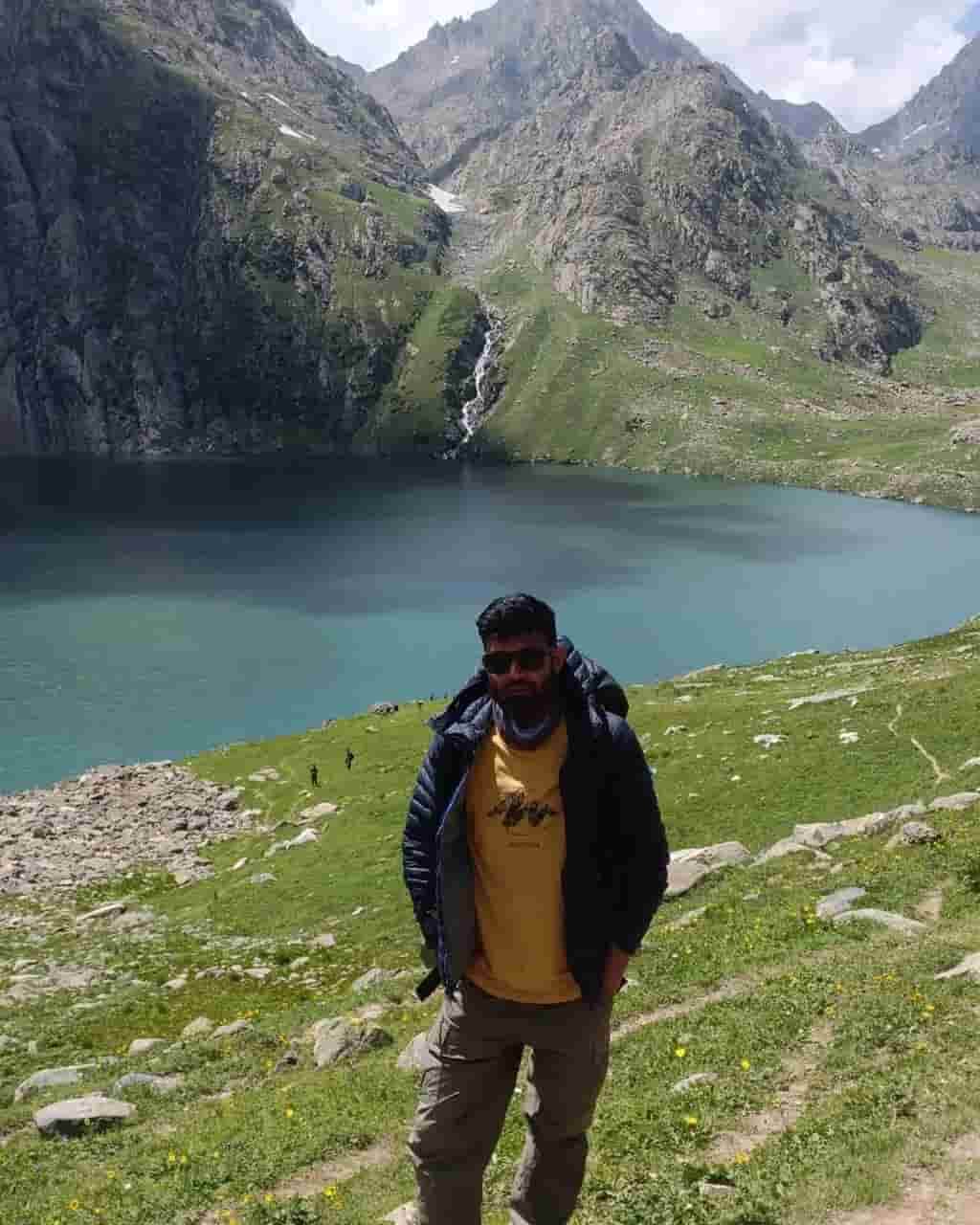
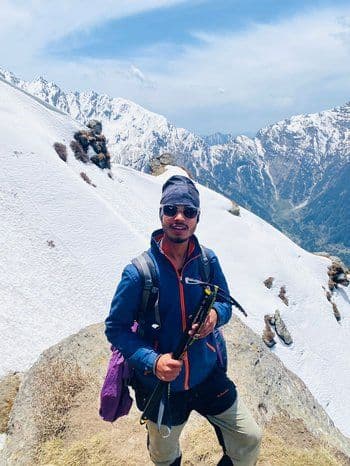
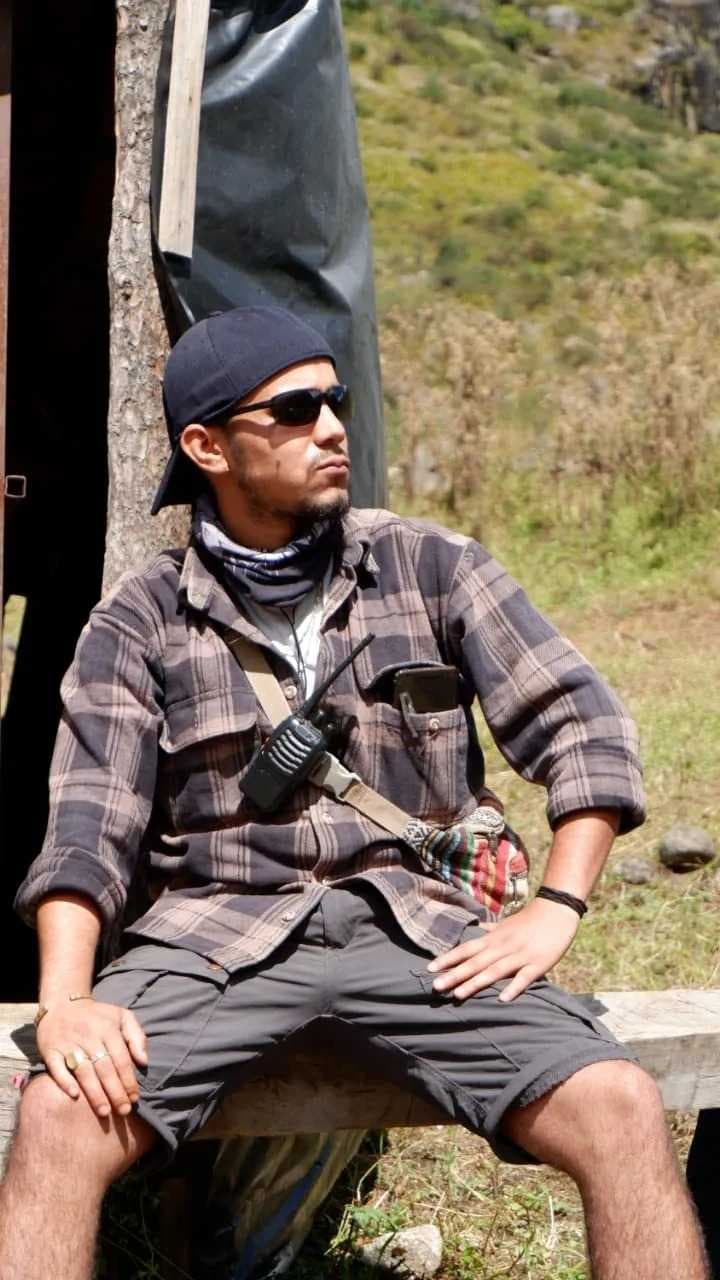
After breakfast, drive from Kathmandu to Syabrubesi by local bus or shared jeep, enjoying scenic views of terraced fields and mountain towns along the way. Obtain the necessary permits and register at the Langtang National Park checkpoint in Dhunche. Upon arrival in Syabrubesi, check into your lodge and spend the evening exploring the town or walking along the river. Overnight stay at a lodge.


Altitude
1,530 m (5,020 ft)
Total Drive
122 km


Today, begin your trek to Lama Hotel, passing through terraced farmlands, charming villages, and lush forests alongside the Langtang River. Enjoy the peaceful natural surroundings as you gradually ascend to Lama Hotel. Overnight stay at a teahouse.


Altitude
2,450 m (8,038 ft)
Trek
11 km


Today, trek through lush forests and bamboo groves toward Langtang Village, with a chance to spot the endangered red panda near Ghoda Tabela. Along the trail, enjoy chortens, prayer flags, and scenic mountain views. Explore Langtang Village and learn about the resilience of the local Tamang community, who rebuilt their homes after the devastating 2015 earthquake. Overnight stay at a teahouse.


Altitude
3,430 m (11,253 ft)
Trek
14 km


After breakfast, begin your trek to Kyanjin Gompa with a short warm-up session led by your guide. Walk through charming hamlets, terraced farmlands, and streams while enjoying beautiful mountain views. Arrive around lunchtime, then explore Kyanjin Village, visit the ancient Kyanjin Gompa monastery, and experience the local culture with stunning views of Langtang Lirung. Overnight stay at a teahouse.


Altitude
3,830 m (12,566 ft)
Trek
10 km


After breakfast, start your trek to Kyanjin Gompa with a short warm-up session guided by your trekking leader. Follow scenic trails through small villages, terraced fields, and streams surrounded by beautiful mountain landscapes. Arrive around lunchtime and spend the afternoon exploring Kyanjin Village, visiting the historic monastery, and enjoying spectacular views of Langtang Lirung. Overnight stay at a teahouse.


Altitude
4,984 m (16,352 ft)
Trek
8 km


Today, retrace your steps from Kyanjin Gompa to Lama Hotel, passing through the scenic Langtang Valley and lush forests. Enjoy the gradual descent, with opportunities to spot red pandas along the trail. Take regular breaks and stay hydrated during the long trekking day. Overnight stay at a teahouse.


Altitude
2,450 m (8,038 ft)
Trek
15 km


Today, trek back to Syabrubesi, marking the final day of your trekking adventure. In the evening, celebrate your successful journey with your trekking crew and bid farewell to the team. You may also offer tips to your guides and porters as a gesture of appreciation for their support. Overnight stay at a lodge.


Altitude
1,530 m (5,020 ft)
Trek
11 km


After breakfast, drive back to Kathmandu by private jeep or local bus, enjoying the scenic journey. In the evening, celebrate your trekking adventure with a farewell dinner hosted by Nepal High Trek at a traditional Nepali cultural restaurant. Overnight stay at a hotel in Kathmandu.


Altitude
1,400 m (4,593 ft)
Total Drive
122 km

Inclusions and Exclusions


Inclusions
  • Airport pick-up and drop-off by private vehicle. (Non AC Vechile)
  • All ground transportation as per the itinerary (Non AC Vechile)
  • Accommodation during the trek in best available teahouses on a twin-sharing basis.
  • Accommodation in Kathmandu as per itinerary on twin sharing basis.
  • Experienced, government-licensed trekking Sherpa guide
  • Porter service (1 porter for every 2 trekkers)
  • All guide and porter expenses including salary, food, accommodation, insurance, and equipment
  • Langtang National Park Entry Permit
  • TIMS Card (Trekkers’ Information Management System)
  • Comprehensive first-aid medical kit
  • Pre-trek briefing and route orientation
  • All required trekking permits and official paperwork
  • All Government and local taxes.
Exclusions
  • GST is not included in this package.
  • Meals not included in this package.
  • Travel costs to and from Kathmandu.
  • Food and drinking water during the trek.
  • Any items not explicitly included in the package.
  • Additional costs include accommodations and meals if the trek is delayed due to weather, flight cancellations, health issues, or others.
  • Personal costs include bottled or boiled water, showers, phone calls, laundry, bar bills, battery replacements, and additional porters.
  • Health insurance, personal insurance, and other forms of travel insurance.
  • Visa fee for Nepal, if applicable.
  • Tips for guides and porters.
  • Towel, soap, and bottled water are not included in the package.
  • Evacuation and rescue operations in case of natural calamities, accidents, injuries, or health problems.
  • If the weather becomes bad or you start feeling unwell during the trip, rescue or emergency help will be arranged for your safety. However, please note that all the expenses or charges for such rescue or medical assistance will have to be paid by you.

Packing List

Make sure you have everything you need

  • Back Pack (65L to 75L)
  • Warm clothes (5–6 layers)
  • 5–6 pairs of socks
  • One pair of gloves
  • 1 Warm Jacket
  • 1 Pair Warm Cap
  • Hiking Shoes
  • Raincoat or Poncho
  • Toilet Papers
  • Water Bottle (thermal water for the snow trek)
  • Snacks like dry fruits, energy bars, candies, etc.
  • Power bank or charger
  • Sunscreen, lip guard, or moisturizer
  • Torch
  • One valid ID proof
  • Tiffin Box

FAQs

Get answers to all your queries

Previous trekking experience is not mandatory, but a basic level of fitness and some pre-trek preparation such as walking, jogging, or light hiking is highly recommended.

The best seasons for the Langtang Valley Trek are spring from March to May and autumn from September to November, when the weather is stable, skies are clear, and mountain views are at their best.

Trekkers need a Langtang National Park Entry Permit and a TIMS Card to do the Langtang Valley Trek, both of which can be arranged easily in Kathmandu.

Accommodation during the Langtang Valley Trek is provided in local tea houses or lodges that offer basic but comfortable rooms, usually on a twin-sharing basis, with simple facilities at higher altitudes.

Tea houses along the route serve a variety of meals including dal bhat, noodles, pasta, fried rice, soups, eggs, momos, and pancakes, with vegetarian food widely available.

Altitude sickness can be a concern as the trek goes above 3,000 meters, but the risk can be reduced by proper acclimatization, a slow ascent, staying hydrated, and following the guidance of an experienced guide.

Drinking water is available at tea houses and villages along the trail, but it is recommended to use water purification tablets or filters instead of buying bottled water.

Hiring a licensed guide is strongly recommended for safety, route navigation, and cultural insight, while hiring a porter is optional and helpful for those who prefer trekking without carrying heavy luggage.

Electricity is available in most villages, mainly through solar power, and charging electronic devices usually costs extra. Internet and Wi-Fi are available in some lodges but can be slow and unreliable.

Langtang Valley is safe for trekking after the 2015 earthquake, as the region has been rebuilt and trekking routes and lodges are well-maintained and regularly used by trekkers.

Solo travelers can do the Langtang Valley Trek, but trekking with a guide is highly recommended for safety and a smoother trekking experience.

Langtang Valley Trek is ideal for trekkers who want fewer crowds, rich Himalayan culture, stunning mountain views, and a shorter trek that starts close to Kathmandu.

Langtang Valley is located inside Langtang National Park, about 60–70 kilometers north of Kathmandu, close to the Tibetan border. It is one of the nearest Himalayan trekking regions from Nepal’s capital and is known for its scenic beauty and traditional Tamang culture.

The Langtang Valley Trek generally takes between 7 and 10 days, depending on the itinerary, walking pace, acclimatization days, and side hikes such as Kyanjin Ri or Tserko Ri.

The highest point of the Langtang Valley Trek is either Kyanjin Ri at 4,773 meters or Tserko Ri at 4,984 meters, while the main village of Kyanjin Gompa is situated at an altitude of 3,870 meters.

The Langtang Valley Trek is considered a moderate-level trek and is suitable for beginners with good physical fitness as well as experienced trekkers. Trekkers usually walk for five to seven hours per day on gradual and well-marked trails.

Featured Treks


Certified Trek Leaders


© 2024 trekyaari.com | All Rights Reserved