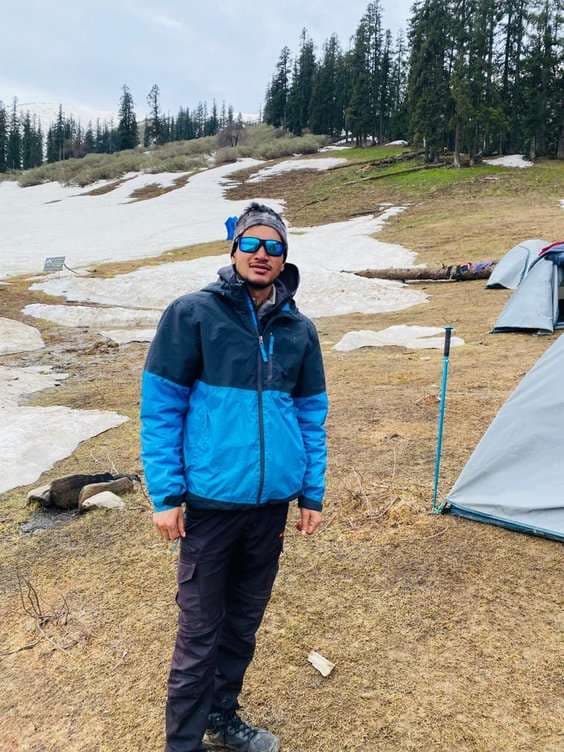
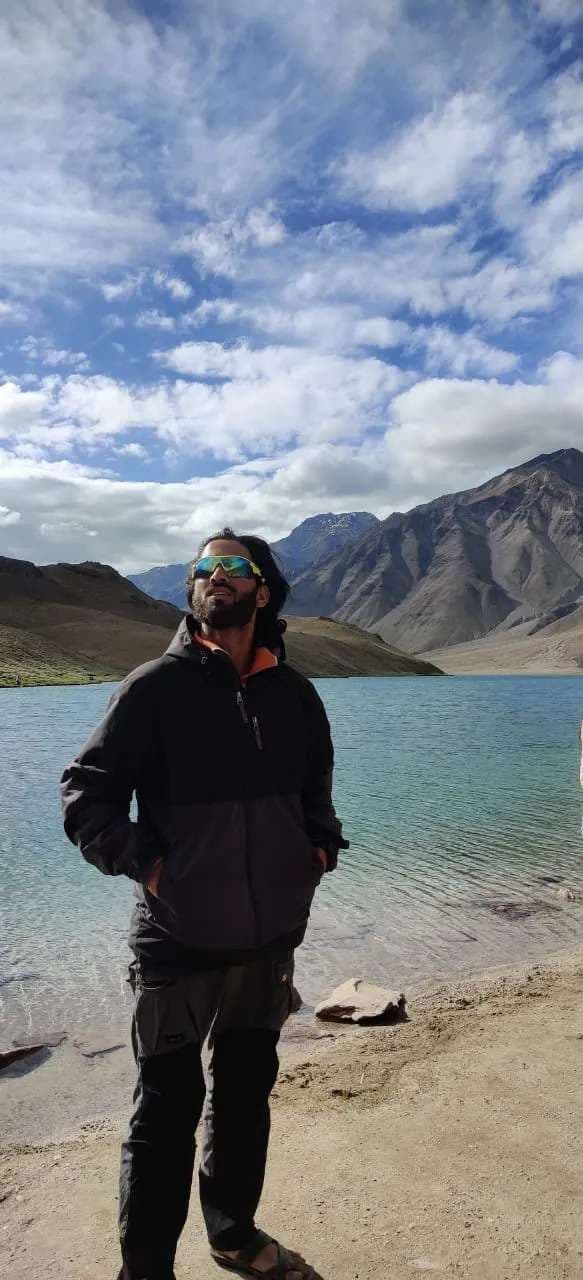
The Nepal Khopra Ridge Trek is a rewarding offbeat Himalayan journey that combines breathtaking mountain panoramas, peaceful trails, cultural immersion, and moderate physical challenge. With TrekYaari, trekkers receive expert guidance on itinerary planning, Khopra Ridge trek cost, difficulty level, packing essentials, and seasonal considerations. Our experience-driven approach, trained trek leaders, and strong focus on safety standards ensure a reliable, well-organized, and memorable trekking experience in the Annapurna region.
Khopra Ridge stands at an impressive altitude of approximately 3,660 meters (12,008 feet) in Nepal’s renowned Annapurna Conservation Area. Unlike crowded trails, Khopra offers a quieter alternative with equally stunning Himalayan views. From the ridge, trekkers witness panoramic vistas of Dhaulagiri (8,167 m), Annapurna South (7,219 m), Nilgiri (7,061 m), Hiunchuli (6,441 m), Machapuchare (6,993 m), and other surrounding peaks. The dramatic landscapes, high alpine meadows, and open ridgelines create one of the most serene trekking experiences in Nepal.
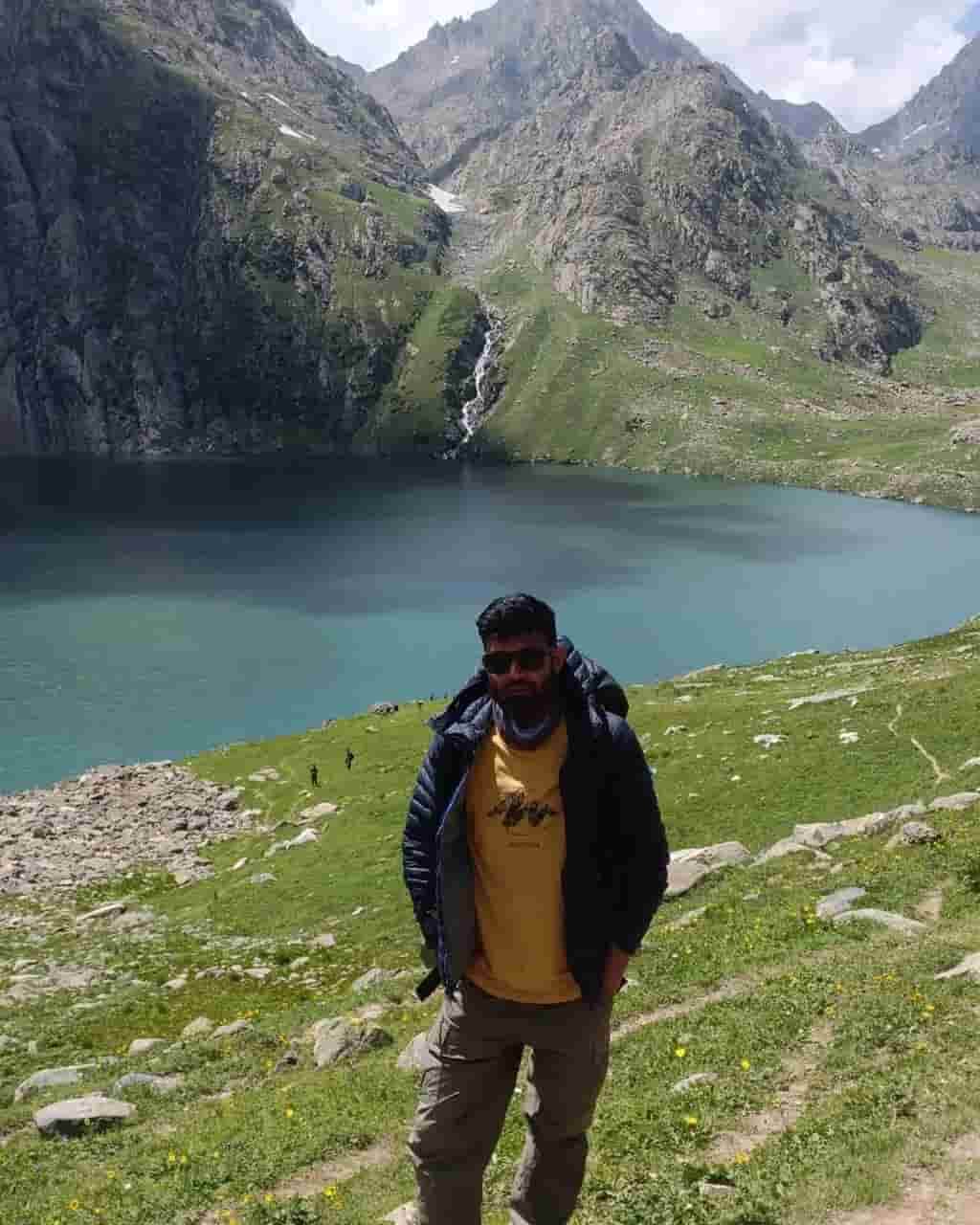
The journey to Khopra Ridge typically begins from Pokhara. The trail passes through charming Gurung villages such as Ghandruk and Tadapani before ascending toward Dobato and Khopra Danda. Trekkers walk through lush rhododendron forests, terraced farmlands, alpine pastures, and quiet mountain ridges. A major highlight of this trek is the sacred Khayer Lake (4,660 m), a high-altitude glacial lake visited as a side hike from Khopra Ridge. The combination of cultural encounters, peaceful landscapes, and breathtaking mountain views makes this trek truly special.
The Khopra Ridge Trek requires moderate fitness and proper preparation due to steady altitude gain and long walking days. At TrekYaari, we focus on your safety and comfort by providing expert guidance on acclimatization, altitude awareness, and trekking best practices. Our thoughtfully designed itineraries, reliable tea house accommodations, experienced guides, and seamless logistics ensure a safe and enriching trekking journey.
Are you ready to explore one of the hidden gems of the Annapurna region? Book your Khopra Ridge Trek with TrekYaari today. We offer transparent pricing, professional support, and personalized services to make your Himalayan adventure unforgettable.
Best Time to Visit Khopra Ridge Trek
Choosing the right season is essential for a safe and enjoyable Khopra Ridge Trek, as weather conditions directly influence visibility, trail safety, and overall trekking comfort.
Spring Season (March to May)
Temperatures: At lower elevations, daytime temperatures range between 15°C and 25°C. At Khopra Ridge (3,660 m), daytime temperatures generally range from 8°C to 15°C. Nights can drop to around 0°C to 5°C, especially in early spring.
Weather Conditions: Spring offers stable weather, clear skies, and vibrant rhododendron forests in bloom. The trails around Ghandruk and Tadapani become colorful and lively. Mountain visibility is excellent, offering uninterrupted views of Dhaulagiri and the Annapurna massif. This is one of the most popular seasons for trekking.
Autumn Season (September to November)
Temperatures: Autumn brings cool and comfortable conditions. At higher elevations, daytime temperatures range between 5°C and 15°C, while nights may fall below freezing, particularly in October and November.
Weather Conditions: Post-monsoon freshness ensures crystal-clear skies and exceptional mountain views. The trails are less humid, and landscapes appear lush and vibrant. Compared to Annapurna Base Camp, Khopra Ridge remains less crowded, making autumn ideal for trekkers seeking peaceful surroundings.
Attaining the Height of Khopra Ridge Trek
The Khopra Ridge Trek is considered a moderate-level trek suitable for trekkers with reasonable fitness. It is less demanding in altitude compared to Annapurna Base Camp but still requires steady endurance.
Altitude Challenges - The trek usually starts around 1,070 meters near Pokhara and gradually ascends to 3,660 meters at Khopra Ridge. The optional hike to Khayer Lake reaches approximately 4,660 meters, requiring good acclimatization and stamina.
Terrain and Weather Conditions - The trail includes forest paths, stone staircases, ridge walks, and alpine meadows. Continuous ascents and descents add to the challenge. Weather can change quickly at higher altitudes, so proper layering is essential.
Physical Endurance Requirements - Daily walking hours typically range between 5 to 7 hours. Basic cardiovascular training and leg-strengthening exercises are recommended before the trek.
Remote and Basic - Accommodation Facilities consists mainly of tea houses and community lodges. Facilities are simple but comfortable, offering warm hospitality and freshly prepared meals.
Which Peaks Are Visible on the Khopra Ridge Trail
The Khopra Ridge Trek offers one of the most spectacular panoramic mountain views in the Annapurna region.
From Ghandruk and Tadapani, trekkers enjoy views of Annapurna South and Hiunchuli. As the trail ascends to Dobato and Khopra Ridge, Dhaulagiri (8,167 m) dominates the western skyline with its massive snow-covered face. Nilgiri, Annapurna I, Annapurna South, Machapuchare (Fishtail), and Tukuche Peak also appear prominently.
From Khopra Danda, the 360-degree panorama creates a dramatic Himalayan amphitheater. The sunrise and sunset views over Dhaulagiri and Annapurna ranges are particularly breathtaking.
How to Reach Pokhara (Gateway to Khopra Ridge)
Pokhara, Nepal’s most scenic lakeside city, is the primary gateway for the Annapurna Base Camp Trek. Located at the foothills of the Annapurna range, Pokhara serves as the main starting point for most Annapurna-region treks. Well connected by air and road, Pokhara is easily accessible for both domestic and international travelers.
Traveling to Pokhara
By Air
Domestic Flights: Pokhara is served by Pokhara International Airport (PKR), which operates frequent domestic flights from Kathmandu. The flight duration is approximately 25–30 minutes, offering breathtaking aerial views of the Himalayan range on clear days. Several domestic airlines operate this route, making air travel the fastest and most convenient way to reach Pokhara before starting the Annapurna Base Camp Trek.
Note: International travelers usually arrive in Kathmandu first and then take a domestic flight to Pokhara.
By Road
From Kathmandu: Pokhara is located about 200 kilometers west of Kathmandu. The road journey takes approximately 6 to 8 hours, depending on traffic and road conditions. Travelers can choose from tourist buses, luxury coaches, local buses, or private taxis. The drive follows scenic river valleys, terraced hillsides, and rural settlements, making the journey enjoyable and culturally enriching.
From India: Travelers from India can enter Nepal via popular border crossings such as Sunauli–Bhairahawa or Raxaul–Birgunj. From these entry points, Pokhara can be reached by domestic flights, tourist buses, or private vehicles. Road travel from the border towns to Pokhara is well established and commonly used by trekkers.
Khopra Ridge Trek Difficulty Level
The Khopra Ridge Trek is generally considered a moderate trek, suitable for trekkers with reasonable fitness and proper preparation. Although it reaches a lower altitude than Annapurna Base Camp, the trail includes continuous ascents and descents, long walking days, and occasional steep forest climbs that require steady endurance. The optional hike to Khayer Lake (4,660 meters) adds an additional level of challenge due to higher altitude and longer trekking hours. No technical climbing skills are required, but physical readiness and proper planning are essential for a safe and enjoyable trekking experience.
Proper Gear and Clothing - Carrying appropriate trekking gear is crucial for comfort and safety on the Khopra Ridge trail. Weather conditions vary from warm and humid in lower villages such as Ghandruk to cold and windy conditions at Khopra Danda and near Khayer Lake. Dressing in layers allows trekkers to adjust easily to temperature changes throughout the day.
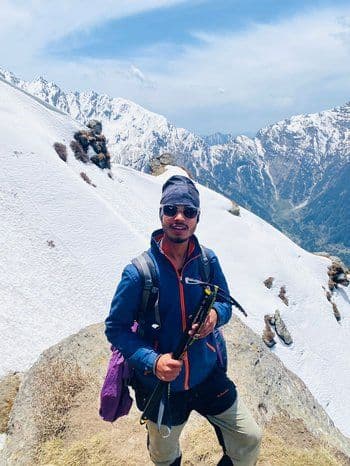
Essential clothing and gear include moisture-wicking base layers, insulating mid-layers, a warm down jacket, waterproof and windproof outer layers, sturdy trekking shoes with good grip, gloves, woolen caps, sunglasses, and rain protection. Trekking poles are highly recommended to reduce strain on knees during steep descents. Proper gear significantly improves both comfort and safety in changing mountain conditions.
Hydration and Nutrition - Staying well-hydrated is important throughout the Khopra Ridge Trek, even though the altitude is moderate compared to other high Himalayan treks. Reduced oxygen levels at higher elevations can lead to fatigue and dehydration if proper hydration is not maintained.
Trekkers should aim to drink 3–4 liters of water daily. Warm soups, herbal teas, and electrolyte drinks are beneficial, especially in colder sections of the trail. Balanced meals rich in carbohydrates and proteins help maintain stamina and support muscle recovery. Dal bhat, noodles, rice, vegetables, eggs, and potatoes are commonly available at tea houses and provide sufficient energy for trekking days. Alcohol and smoking should be avoided as they can negatively affect acclimatization.
Weather Awareness and Itinerary Flexibility - Weather in the Annapurna region can change quickly, particularly on exposed ridges and during the hike to Khayer Lake. Sudden fog, rain, strong winds, or temperature drops are possible, even during peak trekking seasons.
Trekkers should stay informed about daily weather conditions and maintain flexibility in their itinerary to manage potential delays or adjustments. Starting early in the morning often ensures clearer skies and better mountain views. Being adaptable and following guide instructions enhances overall safety on the trail.
Emergency Preparedness - Although the Khopra Ridge Trek lies within the Annapurna Conservation Area, certain sections are relatively remote and less crowded than the Annapurna Base Camp route. Emergency preparedness is therefore important.
Trekkers should keep essential contact numbers accessible and understand that mobile connectivity may be limited in higher regions. Carrying a basic personal medical kit, including medication for altitude discomfort, pain relief, blister care, and rehydration salts, adds an extra layer of safety. Trekking with experienced guides further enhances safety, as they are trained to recognize symptoms of altitude-related issues and coordinate evacuation if necessary.
Travel Insurance - Comprehensive travel insurance is strongly recommended for the Khopra Ridge Trek. Ensure your policy covers high-altitude trekking up to 4,660 meters (if hiking to Khayer Lake), medical emergencies, and helicopter evacuation. Proper insurance coverage provides financial protection and peace of mind during your Himalayan adventure.
Physical Fitness and Mental Readiness - A good level of physical fitness significantly enhances the Khopra Ridge trekking experience. Regular cardiovascular exercises, stair climbing, leg-strengthening workouts, and endurance training 4–6 weeks before the trek help prepare the body for daily ascents and descents.
Mental preparedness is equally important, as continuous walking through forest trails, ridge sections, and changing terrain can be physically and mentally demanding. Maintaining a positive mindset and steady pace ensures a more enjoyable journey.
Acclimatization and Pace - Although Khopra Ridge is lower in altitude compared to many Himalayan treks, maintaining a steady pace and allowing your body to adjust naturally remains essential—especially if attempting the Khayer Lake hike.
Trek slowly, take regular breaks, stay hydrated, and remain alert to any physical symptoms such as headache or unusual fatigue. Avoid rushing the ascent and focus on enjoying the scenic landscapes along the way. Proper pacing ensures a safe, comfortable, and rewarding trekking experience.
With balanced preparation, proper gear, and expert guidance from TrekYaari, the Khopra Ridge Trek offers a perfect blend of moderate challenge, breathtaking mountain panoramas, and peaceful Himalayan exploration.
Factors Related to Safety in Khopra Ridge Trek
Safety is essential during the Khopra Ridge Trek due to altitude gain and remote terrain.
Gradual acclimatization is important, especially if hiking to Khayer Lake.
Trekking with experienced guides enhances route safety and local insight.
Proper physical preparation reduces fatigue and risk of injury.
Use appropriate trekking gear for weather protection.
Avoid alcohol and smoking at higher elevations.
Comprehensive travel insurance covering medical emergencies and evacuation is recommended.
How to Prepare for Khopra Ridge Trek
Prepare for an unforgettable Himalayan journey with TrekYaari.
Understanding the Route
The trek begins from Pokhara, passing through Ghandruk, Tadapani, Dobato, and Khopra Ridge, with an optional hike to Khayer Lake.
Physical and Mental Preparation
Begin fitness training 4–6 weeks prior, focusing on cardio and leg strength.
Cultural Experience
The trail passes through traditional Gurung villages, offering meaningful cultural interaction.
Panoramic Views
Enjoy breathtaking views of Dhaulagiri, Annapurna I, Annapurna South, Machapuchare, Nilgiri, and surrounding peaks.
Permits
Trekkers require the Annapurna Conservation Area Permit (ACAP) and TIMS card (as applicable).
Essential Packing
Carry layered clothing, sturdy trekking shoes, warm gear, rain protection, trekking poles, and personal medical supplies.
With proper preparation, the right mindset, and expert guidance from TrekYaari, the Khopra Ridge Trek transforms into a peaceful and deeply enriching Himalayan adventure. It is not just a trek—it is a journey through untouched landscapes, authentic mountain culture, and panoramic Himalayan grandeur.
Whether you are seeking a quieter alternative to Annapurna Base Camp or looking for a scenic ridge trek with extraordinary mountain views, Khopra Ridge promises an unforgettable experience that will stay with you long after the journey ends.