The Nepal Yansa Tsenji Trek is a rewarding Himalayan adventure that combines untouched natural beauty, rich Sherpa culture, and physical challenge. With TrekYaari, trekkers receive expert guidance on itinerary planning, Yansa Tsenji trek cost, difficulty level, packing essentials, and seasonal conditions. Our experience-driven approach, trained trek leaders, and strong focus on safety standards ensure a reliable, well-organized, and memorable journey to Yansa Tsenji.
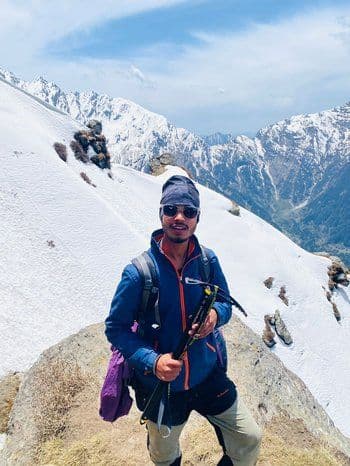
Yansa Tsenji stands at an impressive altitude of approximately 6,000 meters (approx.) in Nepal’s renowned Sagarmatha National Park. Surrounded by towering Himalayan giants, this remote peak lies in the heart of the Khumbu region, offering dramatic mountain scenery, glacial landscapes, and pristine alpine terrain. The area provides one of the most spectacular backdrops in the Everest region, where snowfields and rugged ridgelines blend seamlessly.
The journey to Yansa Tsenji typically begins from Kathmandu with a scenic flight to Lukla Airport. From here, the trail passes through iconic Sherpa villages such as Namche Bazaar, Tengboche, Pangboche, and Dingboche. The trek takes you through dense pine forests, suspension bridges over glacial rivers, alpine meadows, and high mountain valleys. Along the way, trekkers are rewarded with breathtaking views of Mount Everest, Lhotse, Ama Dablam, and Nuptse, making every day on the trail visually unforgettable.
The Khumbu region holds a legendary mountaineering legacy. Mount Everest, the world’s highest peak, has drawn climbers and trekkers from across the globe for decades. What was once a remote high-altitude region has now become a renowned trekking destination, while still preserving its raw natural beauty and deep-rooted Sherpa traditions.
The Yansa Tsenji Trek requires good physical fitness and proper preparation due to altitude gain and demanding terrain. At TrekYaari, we focus on your safety and comfort by offering expert guidance on acclimatization, altitude awareness, and trekking best practices. Our thoughtfully designed itineraries, reliable accommodation, experienced guides, and seamless logistics ensure a safe and enriching trekking experience.
Are you ready to explore the hidden corners of the Everest region? Book your Yansa Tsenji Trek with TrekYaari today. We offer transparent pricing, professional support, and personalized services to make your adventure truly memorable.
Best Time to Visit Yansa Tsenji Trek
Choosing the right season is essential for a safe and enjoyable Yansa Tsenji Trek, as weather conditions directly influence trail safety, visibility, and overall trekking comfort.
Spring Season (March to June)
Temperatures: Spring is one of the most favorable seasons for trekking in the Everest region. At lower elevations, daytime temperatures range between 10°C and 20°C, while at higher camps near Yansa Tsenji, daytime temperatures remain cooler. Nights can drop below freezing at higher altitudes, so proper insulation is necessary.
Weather Conditions: Spring offers stable weather, clear skies, and excellent visibility. The trails are lively with blooming rhododendrons at lower altitudes. Trekkers can enjoy stunning close-up views of Everest, Lhotse, Ama Dablam, and surrounding peaks.
Autumn Season (September to December)
Temperatures: Autumn provides cool and comfortable trekking conditions. Daytime temperatures remain pleasant at lower elevations, while higher sections experience colder mornings and nights, often below 0°C.
Weather Conditions: Autumn is considered one of the best seasons due to stable weather and crystal-clear mountain views after the monsoon. The landscapes appear fresh and vibrant, making it ideal for photography and uninterrupted Himalayan panoramas.
Attaining the Height of Yansa Tsenji Trek
The Yansa Tsenji Trek is considered moderately challenging to demanding, depending on the final altitude reached. Good physical conditioning and mental preparedness are essential.
Altitude Challenges - One of the primary challenges of the Yansa Tsenji Trek is gradual altitude gain. The trek usually begins at Lukla (2,860 meters) and ascends steadily above 5,000 meters depending on the itinerary. As altitude increases, oxygen levels decrease, which may cause fatigue or mild altitude-related symptoms. Our itinerary includes proper acclimatization days to ensure safety and comfort.
Terrain and Weather Conditions - The trail offers diverse landscapes, from forested sections and river crossings to rocky moraines and alpine terrain. Steep ascents, uneven paths, and high-altitude weather variations add to the challenge. Weather can change quickly, especially at higher elevations.
Physical Endurance Requirements - A strong level of fitness is recommended. Daily walking hours typically range from 5 to 7 hours, with longer summit or high camp days. Pre-trek training focusing on cardio, leg strength, and endurance significantly enhances the experience.
Remote and Basic Facilities - Accommodation along the route consists mainly of local tea houses in villages and basic lodges at higher sections. Facilities are simple yet comfortable, offering warm hospitality and essential services needed during the trek.
Which Peaks Are Visible on the Trail of Yansa Tsenji
The Yansa Tsenji Trek offers some of the most spectacular close-up mountain views in the Everest region.
From Namche Bazaar and Tengboche, trekkers enjoy stunning views of Mount Everest and Lhotse rising above deep valleys. The elegant pyramid of Ama Dablam dominates the skyline and becomes increasingly dramatic as the trail ascends.
As trekkers move toward Dingboche and higher camps, Nuptse and other surrounding Himalayan peaks emerge with impressive glacial faces. The high-altitude environment creates a dramatic alpine atmosphere.
Upon reaching higher viewpoints near Yansa Tsenji, trekkers are surrounded by a panoramic Himalayan landscape featuring Everest, Lhotse, Ama Dablam, and distant peaks stretching toward the Tibetan plateau. This breathtaking setting makes the Yansa Tsenji route an unforgettable Himalayan experience.
How to Reach Lukla
Lukla is the primary gateway for the Yansa Tsenji Trek in Nepal’s Everest region.
Traveling to Lukla
By Air
Domestic Flights: Regular flights operate from Kathmandu to Lukla, taking approximately 30–35 minutes. The flight offers breathtaking aerial views of the Himalayas and is the fastest way to begin the trek.
Note: International travelers usually arrive in Kathmandu first and then take a domestic flight to Lukla.
By Road
From Kathmandu: Travelers can drive to Salleri or Phaplu and then trek for several days to reach Lukla. This option is suitable for those who prefer to avoid flights and enjoy a gradual approach into the Everest region.
From India: Travelers can enter Nepal via border crossings such as Sunauli–Bhairahawa or Raxaul–Birgunj, then continue to Kathmandu by road before flying or traveling onward toward Lukla.
Yansa Tsenji Trek Difficulty Level
The Yansa Tsenji Trek is considered moderately challenging, suitable for trekkers with good fitness and prior high-altitude experience. Continuous ascents, changing terrain, and high altitude require proper preparation.
Proper Gear and Clothing - Carrying appropriate trekking gear is crucial. Layered clothing, insulated jackets, sturdy trekking boots, gloves, hats, and rain protection are essential for adapting to changing mountain conditions.
Hydration and Nutrition - Staying well-hydrated and consuming balanced meals supports energy levels and acclimatization. Soups, carbohydrates, and protein-rich foods are recommended during the trek.
Weather Awareness and Itinerary Flexibility - Mountain weather can change rapidly. Staying updated and maintaining flexibility in the itinerary ensures safety and smooth adjustments.
Emergency Preparedness - Mobile connectivity may be limited in higher sections. Carry essential medical supplies and follow guide instructions for emergency procedures.
Travel Insurance - Comprehensive travel insurance covering high-altitude trekking and emergency evacuation is strongly recommended.
Physical Fitness and Mental Readiness - Cardiovascular training, strength exercises, and endurance preparation help manage long trekking days. Mental resilience is equally important for high-altitude trekking.
Acclimatization and Pace - Trek slowly, allow your body to adapt naturally, and avoid rushing. Proper pacing ensures a safe and successful journey.
With proper preparation, the right mindset, and expert guidance, the Yansa Tsenji Trek transforms into a deeply enriching Himalayan adventure. Surrounded by towering peaks of the Everest region and immersed in Sherpa culture, this journey offers not only physical achievement but also unforgettable mountain memories that will remain long after the trek concludes.


