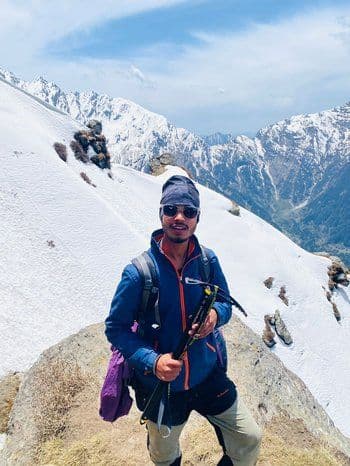
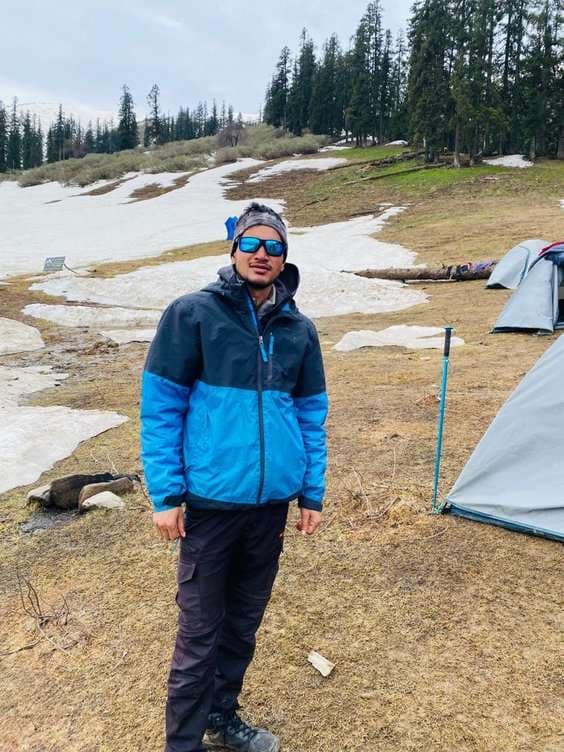


The Nepal Singu Chuli Peak Expedition is a thrilling high-altitude adventure that combines dramatic Himalayan scenery, mountaineering challenge, and cultural experiences. With TrekYaari, climbers receive expert guidance on expedition planning, Singu Chuli peak cost, difficulty level, essential climbing gear, and the best seasons to attempt the summit. Our experienced expedition leaders, trained climbing guides, and strong focus on safety ensure a well-organized and unforgettable journey in the Annapurna region.
Singu Chuli stands at an impressive altitude of 6,501 meters (21,329 feet) and is one of the most prominent trekking peaks in Nepal’s Annapurna Conservation Area. The peak rises above the spectacular Annapurna Sanctuary and offers climbers breathtaking views of surrounding Himalayan giants. From the summit and higher camps, climbers can witness magnificent panoramas of Annapurna I, Annapurna South, Hiunchuli, and Machapuchare.
The expedition usually begins from the beautiful lakeside city of Pokhara. From here, trekkers travel to the trailhead and follow the scenic route through traditional villages such as Ghandruk and Chhomrong before entering the Annapurna Sanctuary. The trail passes through lush rhododendron forests, terraced fields, glacial rivers, and alpine landscapes before reaching Annapurna Base Camp and the base camp of Singu Chuli.
The Annapurna region holds an important place in mountaineering history. Annapurna I became the first 8,000-meter peak ever climbed in 1950 by Maurice Herzog and Louis Lachenal. Since then, the region has become one of the world’s most famous trekking and climbing destinations.
The Singu Chuli Peak Expedition requires strong physical fitness, prior high-altitude trekking experience, and basic mountaineering skills such as using crampons, ice axes, and ropes. At TrekYaari, we prioritize climber safety with proper acclimatization schedules, experienced climbing guides, reliable expedition equipment, and well-planned itineraries to ensure a safe and rewarding summit attempt.
Are you ready to challenge yourself in the heart of the Annapurna Himalayas? Book your Singu Chuli Peak Expedition with TrekYaari today. We offer transparent pricing, professional support, and personalized services to make your Himalayan climbing adventure truly memorable. For detailed information about expedition duration, climbing route, difficulty level, and preparation tips, feel free to explore our website or connect with our expert team.
Best Time to Visit Singu Chuli Peak
Choosing the right season is very important for a successful Singu Chuli Peak Climb, as weather conditions greatly affect climbing safety, visibility, and the condition of snow and ice on the route. Trekking and climbing during the ideal months ensures stable weather, clear mountain views, and a safer mountaineering experience in the Annapurna region.
Spring Season (March to May)
Temperatures: Spring is considered one of the best seasons for climbing Singu Chuli Peak (6,501 m). At lower elevations in the Annapurna region, daytime temperatures range between 15°C and 25°C. As climbers move higher toward the base camp and high camp areas, daytime temperatures usually range from -5°C to 10°C. Night temperatures can drop significantly to around -10°C to -15°C, so proper mountaineering gear and insulated clothing are essential.
Weather Conditions: Spring offers stable weather, clear skies, and excellent visibility, making it ideal for both trekking and climbing. The trekking trails leading toward the Annapurna Sanctuary are filled with blooming rhododendron forests, creating beautiful scenery along the route. Climbers can enjoy spectacular views of nearby peaks such as Annapurna I, Annapurna South, Hiunchuli, and Machapuchare. Due to favorable climbing conditions, spring is one of the most popular seasons for expeditions in this region.
Autumn Season (September to November)
Temperatures: Autumn also provides excellent conditions for climbing Singu Chuli Peak. At lower elevations, temperatures remain comfortable during the day. Higher up near the base camp and summit routes, daytime temperatures generally range between -8°C and 8°C, while nighttime temperatures often fall between -12°C and -18°C, especially in October and November.
Weather Conditions: Autumn is widely regarded as another prime season for mountaineering in the Annapurna region. After the monsoon, the air becomes fresh and the skies are usually very clear, offering breathtaking panoramic views of the Annapurna massif. The snow conditions on the climbing route are often stable, making it suitable for summit attempts. Compared to spring, the trails can be slightly less crowded, allowing climbers to enjoy a more peaceful and immersive Himalayan experience.
Attaining the Height of Singu Chuli Peak
Climbing Singu Chuli (6,501 m) is considered a challenging mountaineering expedition in the Annapurna region of Nepal. Unlike trekking routes, this expedition requires strong physical fitness, prior high-altitude trekking experience, and basic mountaineering skills. Climbers must be well prepared both mentally and physically to face the demanding terrain and high-altitude environment of the Himalayas.
Altitude Challenges - One of the major challenges of the Singu Chuli Peak Expedition is the significant altitude gain. The journey generally begins in Pokhara at around 822 meters and gradually progresses through the Annapurna Sanctuary before reaching higher camps and eventually the 6,501-meter summit of Singu Chuli.
At higher elevations, the oxygen level decreases significantly, which may cause symptoms of Acute Mountain Sickness (AMS) such as headache, fatigue, or shortness of breath. To reduce risks, the expedition itinerary includes gradual altitude gain, acclimatization days, and proper rest, allowing climbers to adapt safely to the high altitude.
Terrain and Weather Conditions - The route to Singu Chuli passes through diverse landscapes, starting with forests and traditional villages before reaching glacial valleys, rocky moraines, and snow-covered slopes. As climbers move closer to the summit, the terrain becomes more technical, requiring the use of mountaineering equipment such as ropes, crampons, and ice axes.
Weather in the Annapurna region can change rapidly. Strong winds, snowfall, and sudden temperature drops are common at higher elevations. Climbers must be prepared for extreme cold conditions and unpredictable mountain weather, especially during the summit push.
Nearby peaks visible during the expedition include Annapurna I, Hiunchuli, and Machapuchare, creating a spectacular Himalayan panorama.
Physical Endurance Requirements - Climbing Singu Chuli requires excellent physical fitness and stamina. Expedition members typically walk 5 to 7 hours per day during the trekking approach and spend additional time practicing climbing techniques at higher camps. Summit day can be particularly demanding, requiring long climbing hours on steep snow and ice sections.
Proper preparation before the expedition is strongly recommended. Activities such as cardio training, strength exercises, hiking with a loaded backpack, and endurance workouts help build the stamina required for the climb.
Remote and Basic Facilities - During the trekking approach, climbers stay in local tea houses with basic but comfortable facilities. As the expedition moves toward higher camps near Singu Chuli, accommodation shifts to tented camping setups arranged by the expedition team.
Meals are prepared by the support staff to provide enough energy for the climb. Although facilities in high-altitude camps are limited, the experience of staying in the remote Himalayan wilderness makes the expedition both adventurous and unforgettable.
Which Peaks Are Visible on the Trail of Annapurna Base Camp
The Singu Chuli (6,501 m) Expedition offers climbers some of the most spectacular and close-up views of the Annapurna Himalayas. The approach passes through high alpine terrain and glaciers, providing breathtaking scenery at every stage. From the lower camps and trailheads, climbers can see Machapuchare (Fishtail, 6,993 m) and Hiunchuli (6,441 m) rising dramatically above forested valleys. As the route ascends through glacier fields and higher camps, Singu Chuli itself towers above ridges, while surrounding peaks like Annapurna III (7,555 m) and Gangapurna (7,455 m) display striking glacial faces. The narrowing valleys and rugged terrain create a feeling of walking into the heart of the Himalayas. Near the summit, climbers are rewarded with a 360-degree panorama of majestic peaks, including Machapuchare, Hiunchuli, Annapurna I (8,091 m), Annapurna South (7,219 m), Gangapurna, and Tent Peak (Tharpu Chuli), making the Singu Chuli expedition a visually unforgettable Himalayan experience.
How to Reach Kathmandu for Singu Chuli Expedition
Kathmandu, the capital city of Nepal, is the primary gateway for the Singu Chuli (Fluted Peak) Expedition. Serving as the country’s main transportation hub, Kathmandu offers excellent connectivity by air and road, making it easily accessible for both domestic and international travelers. Most climbers begin their Himalayan adventure from this vibrant city before proceeding to Pokhara or the expedition base area.
Traveling to Kathmandu
By Air
International Flights: Kathmandu is served by Tribhuvan International Airport (IATA: KTM), the only international airport in Nepal and the main entry point for travelers from abroad. Several major airlines operate direct and connecting flights to Kathmandu from key international destinations, including Nepal Airlines, Qatar Airways, Turkish Airlines, and other regional carriers. This makes reaching Kathmandu convenient for climbers planning the Singu Chuli Expedition.
Domestic Flights: For travelers already within Nepal, frequent domestic flights connect Kathmandu with major cities such as Pokhara, Biratnagar, Bhairahawa, and Nepalgunj. These flights provide a quick and comfortable way to reach Kathmandu before starting the expedition.
Overland Travel
From India: Nepal shares an open border with India, allowing easy overland entry. Popular border crossing points include Sunauli–Bhairahawa and Raxaul–Birgunj. From these locations, travelers can reach Kathmandu via regular buses, tourist coaches, or private taxis, all of which are readily available.
Singu Chuli Expedition Difficulty Level
The Singu Chuli (Fluted Peak) Expedition is considered a challenging high-altitude climb suitable for climbers with good physical fitness, prior trekking or climbing experience, and proper preparation. Unlike trekking-only routes, Singu Chuli requires basic mountaineering skills, including the use of crampons, ice axes, and fixed ropes. Awareness, readiness, and respect for mountain conditions are essential for a safe and successful ascent.
Proper Gear and Clothing – Carrying appropriate mountaineering gear is crucial for comfort and safety on the Singu Chuli route. Conditions can vary from warm valleys to sub-zero temperatures at higher altitudes. Layered clothing, mountaineering boots, crampons, gloves, insulated jackets, rain protection, and moisture-wicking base layers help climbers adapt to rapidly changing conditions.
Hydration and Nutrition – Staying well-hydrated is vital throughout the expedition. High-altitude climbing increases fluid loss, so drinking sufficient water daily helps prevent fatigue and supports acclimatization. Consuming high-energy meals, including carbohydrates, proteins, and soups, aids stamina and recovery during long climbing days.
Weather Awareness and Itinerary Flexibility – Weather in the Annapurna region can change quickly, especially in the high mountains. Snowstorms, fog, or sudden temperature drops are possible at higher elevations. Climbers should remain informed about weather conditions and maintain flexibility in their itinerary to handle delays or route adjustments safely.
Emergency Preparedness – While the route is monitored and guides are experienced, emergency preparedness is crucial. Keep essential contact numbers accessible, know basic first aid, and be aware that mobile connectivity may be limited. Guides are trained to handle emergencies and coordinate evacuations if necessary.
Travel Insurance – Comprehensive high-altitude travel and mountaineering insurance is strongly recommended for Singu Chuli. Ensure your policy covers mountaineering at altitudes above 6,000 meters, medical emergencies, and helicopter evacuation if required.
Physical Fitness and Mental Readiness – A high level of physical fitness significantly enhances the climbing experience. Cardiovascular training, leg and core strengthening exercises, and endurance training are recommended before the expedition. Mental preparedness is equally important, as continuous climbing on glaciers, snow, and mixed terrain can be mentally demanding.
Acclimatization and Pace – Proper acclimatization is essential for Singu Chuli due to its high altitude. Climbers should ascend gradually, take rest days at designated camps, monitor for altitude-related symptoms, and maintain a steady pace. Moving too quickly increases the risk of altitude sickness, so patience and careful pacing are key to a safe and enjoyable expedition.
Factors Related to Safety in Singu Chuli Expedition
Safety is a crucial aspect of the Singu Chuli (Fluted Peak) Expedition, as the journey involves high-altitude climbing, glacier travel, snow and ice terrain, and rapidly changing weather conditions. Due to the technical nature of the ascent, proper planning, awareness, and preparation are essential to ensure a safe and successful climb.
Proper Acclimatization – Singu Chuli reaches an altitude of approximately 6,501 meters (21,325 ft), so gradual acclimatization is vital to prevent altitude sickness. Following a well-paced itinerary with rest days at lower camps allows climbers’ bodies to adjust naturally. Early symptoms of altitude-related issues—headache, fatigue, nausea, or loss of appetite—should be reported to guides immediately.
Experienced Guides and Support Staff – Climbing with certified high-altitude guides and experienced support staff enhances safety significantly. Guides possess extensive knowledge of route conditions, glacier navigation, crevasse risks, and weather patterns. Their assistance is invaluable during technical sections, rope work, and sudden weather changes.
Physical Preparation – Pre-expedition fitness is critical for reducing the risk of exhaustion or injuries. Climbers should train with cardiovascular exercises, leg and core strengthening workouts, and endurance training to handle long climbing days, steep snow slopes, and glacier traverses.
Weather Awareness and Route Safety – Weather in the Annapurna region and on Singu Chuli can change abruptly, especially during spring and autumn climbing windows. Climbers must stay updated on forecasts, remain flexible with their schedule, and always follow marked or advised routes. Avoiding shortcuts or risky paths is essential for safety.
Proper Gear and Equipment – Appropriate mountaineering gear is mandatory. This includes mountaineering boots, crampons, harnesses, ice axes, helmets, insulated layers, gloves, and weatherproof clothing. Proper equipment protects against cold, snow, ice, and slippery terrain, ensuring both safety and comfort.
Hydration and Nutrition – Maintaining hydration and energy is essential at high altitudes. Drinking sufficient water supports acclimatization, while high-energy meals with carbohydrates and proteins aid stamina and recovery. Alcohol and smoking should be strictly avoided during the expedition.
Emergency Preparedness and Communication – Even with experienced guides, emergencies can occur due to altitude sickness, injuries, or sudden weather changes. Climbers should keep emergency contacts accessible. Guides are trained to coordinate rescues, evacuation, and first aid. Note that mobile coverage may be limited in higher camps.
Travel Insurance – Comprehensive mountaineering and high-altitude travel insurance is strongly recommended. Policies should cover medical emergencies, evacuation, and helicopter rescue to ensure financial protection and peace of mind throughout the expedition.
How to Prepare for Singu Chuli Expedition
Prepare yourself for an unforgettable Himalayan adventure with TrekYaari as you get ready for the Singu Chuli (Fluted Peak) Expedition. This high-altitude climb combines physical challenges, technical snow and ice climbing, and breathtaking Himalayan landscapes. With proper preparation, the expedition becomes safe, enjoyable, and deeply rewarding.
Understanding the Expedition Route – The expedition typically begins from Pokhara or Kathmandu, followed by a drive to the trailhead at Annapurna Base Camp or Kande, depending on the chosen approach. The route passes through high-altitude valleys, glacial moraines, snowfields, and rocky slopes before reaching Base Camp and higher camps on Singu Chuli. The expedition offers a perfect combination of natural beauty, mountaineering challenges, and cultural immersion along the trail.
Altitude Acclimatization – Singu Chuli stands at approximately 6,501 meters (21,325 ft), making proper acclimatization crucial. Gradual ascent, regular rest, and a steady pace help your body adapt to thinner air at higher altitudes. Proper hydration, nutrition, and listening to your body are key to preventing altitude-related issues such as headache, fatigue, or nausea.
Physical and Mental Preparation – A high level of physical fitness is required for the Singu Chuli Expedition. Begin training at least 6–8 weeks before departure, focusing on cardio workouts, leg and core strength, and endurance. Mental preparedness is equally important, as continuous climbs on steep, snowy, and icy terrain can be physically and mentally demanding.
Cultural Experience and Local Interaction – The Annapurna region and surrounding valleys are home to welcoming Gurung, Magar, and Tibetan-influenced communities. Interacting with locals, experiencing traditional village life, and observing local customs add a cultural dimension to your expedition and make the journey more meaningful.
Panoramic Himalayan Views – Throughout the expedition, climbers enjoy breathtaking views of peaks such as Annapurna I, Machapuchare (Fishtail), Hiunchuli, Gangapurna, and other surrounding giants. The scenery transitions from lush forests and terraced farmlands to snow-covered glaciers and rocky alpine terrain, offering stunning vistas every day.
Reaching Singu Chuli Summit – Standing on the summit of Singu Chuli, surrounded by towering Himalayan peaks, is the highlight of the expedition. The 360-degree mountain panorama creates a profound sense of achievement and awe that remains unforgettable.
Best Seasons to Climb – The best times for the Singu Chuli Expedition are pre-monsoon (March to May) and post-monsoon (September to November). These seasons provide stable weather, clear skies, and optimal climbing conditions.
Permits and Expedition Logistics – Climbers require permits such as the Annapurna Conservation Area Permit (ACAP) and local entry permits. Booking experienced guides, porters, and necessary climbing equipment in advance ensures a smooth and safe expedition experience.
Essential Gear and Packing – Essential gear includes mountaineering boots, crampons, ice axes, harness, helmets, layered clothing, insulated jackets, sleeping bags, trekking poles, and personal medical supplies. Proper packing ensures safety, comfort, and readiness for changing mountain conditions.
With proper preparation, the right mindset, and expert guidance, the Singu Chuli Expedition transforms from a challenging climb into a deeply enriching and life-changing adventure. Walking through high-altitude valleys, glaciers, and alpine terrain every day offers unique experiences, while the final summit rewards climbers with awe-inspiring panoramic views.
At TrekYaari, we are committed to supporting you at every step of your Singu Chuli journey—from careful planning and seamless logistics to safety, acclimatization, and knowledgeable high-altitude guidance. Our goal is to ensure that your expedition is comfortable, well-managed, and memorable. Whether this is your first Himalayan expedition or another mountaineering adventure, Singu Chuli promises an unforgettable experience that will stay with you long after you descend.