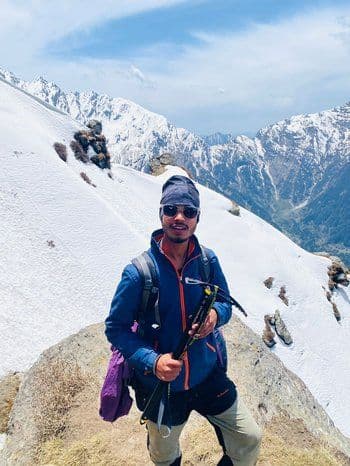
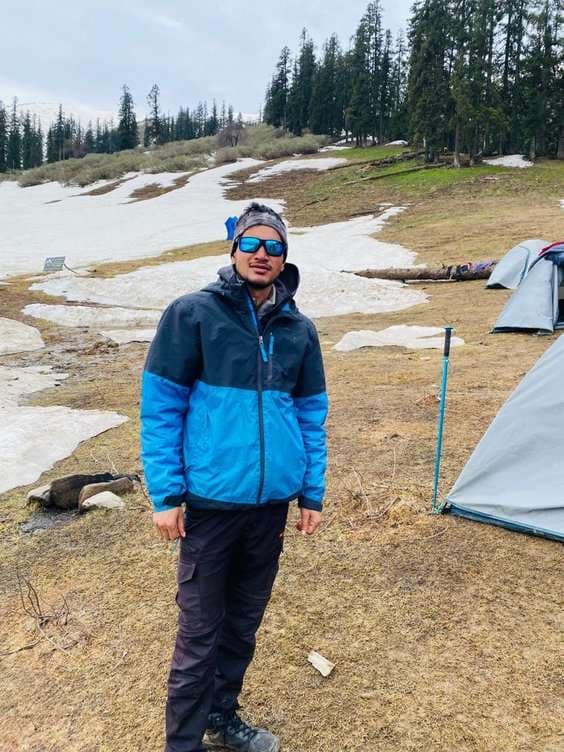
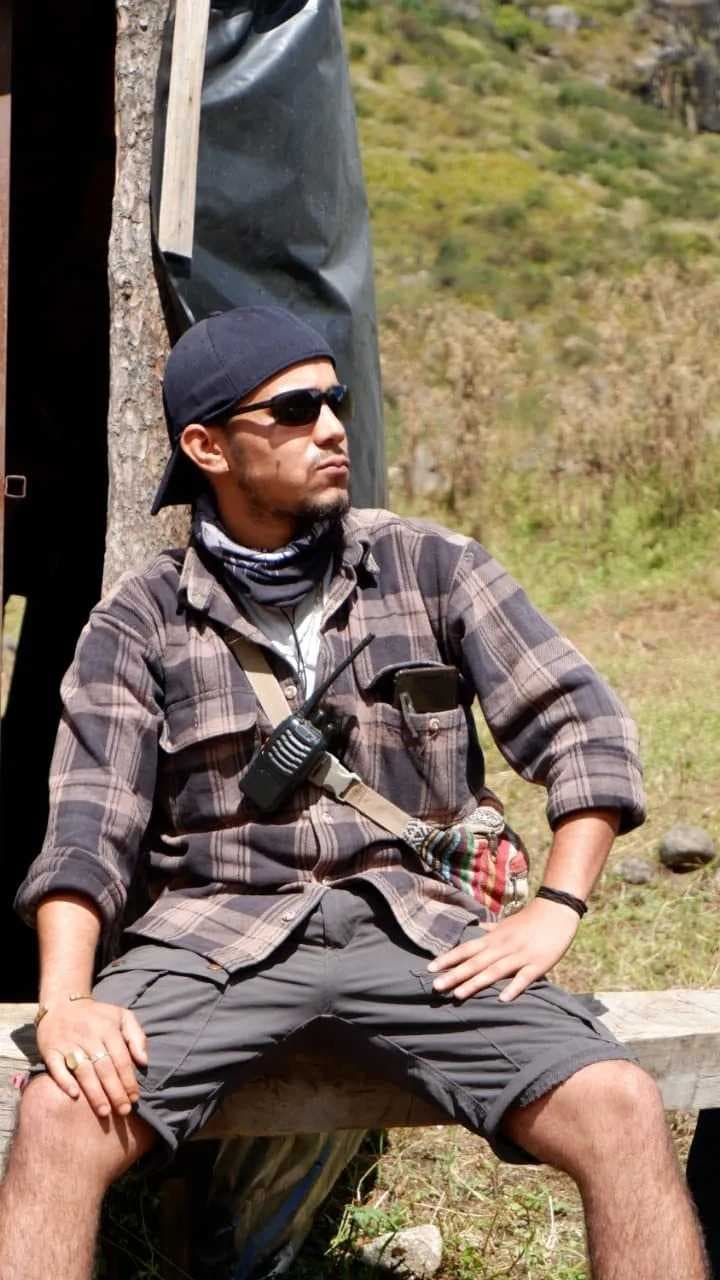
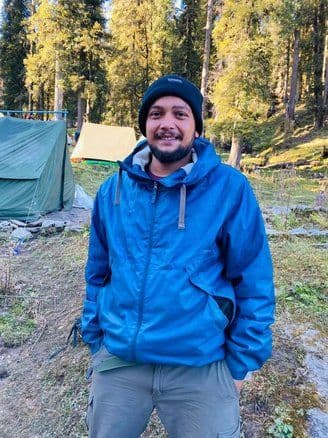
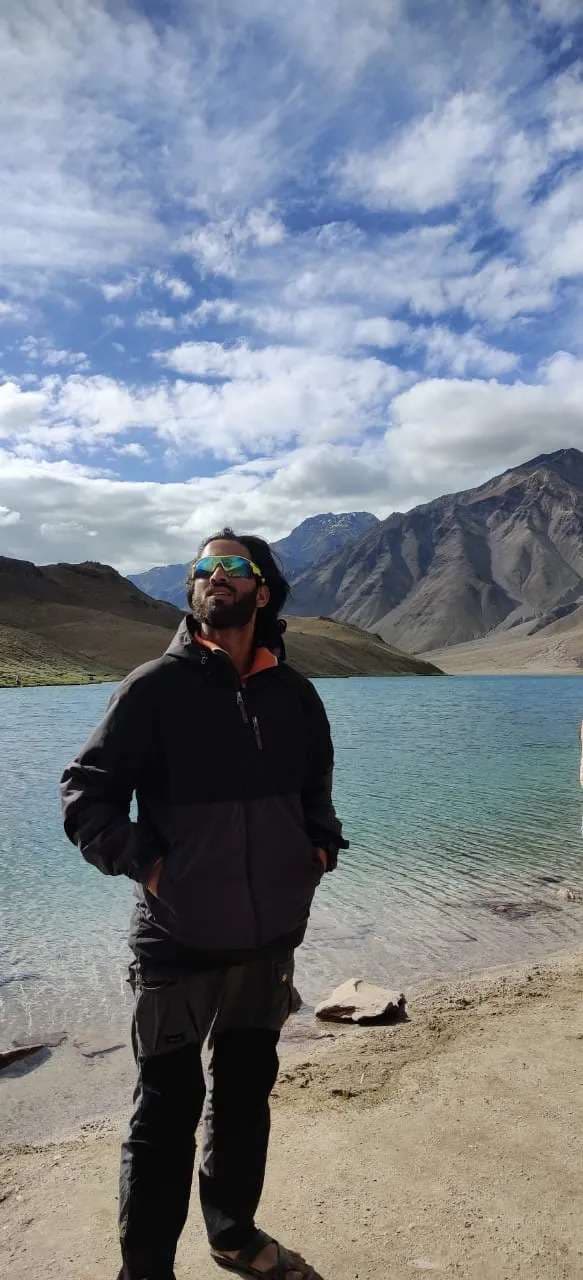
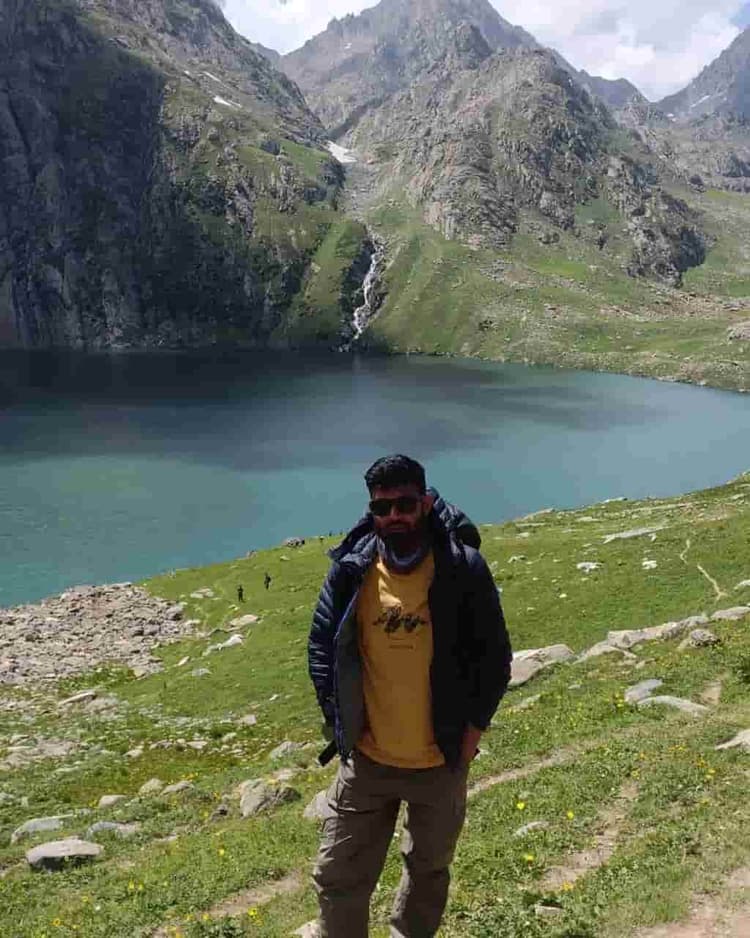


The majestic Putha Hiunchuli rises to 7,246 meters (23,772 ft) and stands as the westernmost major peak of the Dhaulagiri Range. Located deep in the remote valleys of Dolpa, often called the “Wild West of Nepal,” this mountain offers a truly raw and untouched Himalayan experience. Far from crowded trekking routes, the journey to its base camp already feels like a complete adventure through isolated valleys, traditional villages, and breathtaking landscapes.
The region gained worldwide attention through the famous book “The Snow Leopard” by Peter Matthiessen, which beautifully describes the spiritual and mystical wilderness of Dolpa. Even today, the region remains one of the least explored parts of Nepal, preserving its pristine environment and authentic Himalayan culture.
Unlike many other peaks in the Himalayas, Putha Hiunchuli remains relatively unclimbed due to its remote location and the logistics required to reach it. This makes the expedition even more special for climbers who are looking for a genuine high-altitude adventure rather than a crowded summit.
The mountain itself offers two main climbing routes. One route follows a steep and technically challenging ridge first explored by a Japanese expedition in the early 1970s. The other—and most commonly used—route ascends the northern face, which consists mainly of moderate snow slopes averaging around 35 degrees. While technically less demanding, the climb still requires excellent endurance, mountaineering skills, and high-altitude experience.
Reaching the mountain is an adventure in itself. The expedition normally begins with flights from Kathmandu to Nepalgunj, followed by a short mountain flight to Juphal. From here, a 6 days trek through remote valleys and highland villages gradually leads climbers to base camp at around 4,575 meters (15,009 ft). This slow approach helps the body adapt to altitude while allowing trekkers to enjoy the incredible scenery of Dolpa. Total trek duration is around 33-35 Days from Kathmandu to Kathmandu.
Over the decades, Putha Hiunchuli has played an important role in the exploration of the western Dhaulagiri region. Early mountaineers helped map the glaciers, valleys, and rugged terrain of this remote area, revealing some of the most dramatic landscapes in the Himalayas.
Today, climbers are drawn here not just for the summit but for the entire experience—trekking through untouched valleys, witnessing ancient Himalayan culture, and standing among some of the most spectacular peaks in Nepal.
Because of the altitude and remoteness, climbers attempting this expedition should have excellent physical fitness, previous experience on at least two 6,000-meter peaks, and proper mountaineering training. With the right preparation, Putha Hiunchuli becomes more than just a climb—it becomes a life-changing Himalayan journey.
Best Time to Visit Putha Hiunchuli Expedition
Choosing the right season is essential for a safe and successful Putha Hiunchuli Expedition, as weather conditions directly affect climbing safety, visibility, and overall expedition comfort. Attempting the summit during favorable months ensures stable temperatures, clear views of the Dhaulagiri and Annapurna ranges, and a memorable high-altitude experience.
Spring Season (March to June)
Temperatures: Spring is one of the most favorable seasons for the Putha Hiunchuli Expedition. At lower elevations, including Juphal and the approach trek through Dolpa, daytime temperatures range between 10°C and 20°C. As climbers ascend to high camps and the summit area (7,246 m / 23,772 ft), daytime temperatures usually remain between -5°C and 5°C. Nights are extremely cold, dropping to -15°C to -8°C, requiring warm, insulated clothing and high-quality sleeping gear.
Weather Conditions: Spring offers stable weather, clear skies, and excellent visibility, making it ideal for climbing, photography, and route reconnaissance. The lower Dolpa region features scenic landscapes, including alpine meadows, river valleys, and isolated villages. Higher up, climbers can enjoy dramatic glacial vistas of Dhaulagiri I, Annapurna South, Ganesh Himal, and surrounding Himalayan peaks. The moderate spring conditions and longer daylight hours make this the preferred season for most expeditions.
Autumn Season (September to December)
Temperatures: Autumn provides cool, crisp, and relatively stable climbing conditions. At lower altitudes, daytime temperatures remain pleasant for trekking toward base camp. At high camps and near the summit of Putha Hiunchuli, daytime temperatures generally range between -7°C and 3°C. Night temperatures frequently drop below -18°C, making proper insulated clothing and high-altitude mountaineering gear essential.
Weather Conditions: Autumn is considered one of the best seasons for Putha Hiunchuli due to minimal post-monsoon rainfall, clear skies, and excellent visibility. The crisp, dry air enhances panoramic views of the Dhaulagiri range and adjacent peaks, including Annapurna South, Hiunchuli, and Ganesh Himal. The routes are slightly less crowded than spring, offering a more isolated and tranquil expedition experience. Climbers can fully appreciate the rugged Dolpa landscapes, glacial valleys, and the technical features of the mountain without interruptions.
Attaining the Height of Putha Hiunchuli Expedition
Challenges of the Putha Hiunchuli Expedition - Climbing Putha Hiunchuli is a demanding yet incredibly rewarding Himalayan adventure. Although it is considered technically easier than some of the other peaks in the Dhaulagiri Range, the expedition still requires strong physical fitness, mental determination, and a deep respect for high-altitude mountain conditions. Unlike regular trekking, this journey involves climbing across snow slopes and glaciated terrain, which makes proper preparation and caution essential.
Altitude Challenges - One of the biggest challenges of this expedition is the rapid gain in altitude. The journey begins at Juphal (around 2,300 m) after scenic mountain flights, followed by a six-day trek to base camp at approximately 4,575 m. From there, climbers gradually move through higher camps around 5,200 m and 6,200 m before attempting the summit at 7,246 m. As the altitude increases, oxygen levels decrease, which can lead to fatigue or mild altitude sickness. To help climbers adjust safely, the itinerary includes gradual acclimatization, rest days, and careful monitoring throughout the climb.
Terrain and Weather Conditions- The route to Putha Hiunchuli passes through a remote alpine landscape filled with glaciers, snow ridges, icefields, and steep snow slopes. Some sections can reach inclines of around 35°, requiring careful climbing techniques. Weather in this region can change quickly—snowstorms, strong winds, and thick fog are not uncommon, especially near the summit camps. Being prepared for these unpredictable mountain conditions is an important part of the expedition.
Physical Endurance Requirements- This expedition demands excellent physical endurance. Climbers can expect 6–10 hours of trekking or climbing on most days, often across snow-covered terrain while carrying essential gear. Preparing beforehand with cardio training, strength exercises for legs and core, and endurance hikes can make a big difference. Just as important as physical fitness is mental strength—the climb requires patience, focus, and resilience in a challenging high-altitude environment.
Remote Environment and Basic Facilities- The remote setting of the expedition adds both challenge and charm to the experience. During the approach trek, accommodation is usually in small local lodges or tea houses, where facilities are simple but welcoming. Higher up on the mountain, climbers stay in expedition tents set up on snowfields. While the facilities are basic, meals are nutritious and designed to provide the energy needed for long trekking and climbing days.
The isolation and rugged beauty of the region make the experience even more special. For many climbers, this combination of challenge, wilderness, and breathtaking scenery is what makes the Putha Hiunchuli expedition such an unforgettable Himalayan journey.Top of Form
Which Peaks Are Visible on the Putha Hiunchuli Expedition
The Putha Hiunchuli Expedition offers some of the most dramatic and remote mountain views in the Dhaulagiri region of Nepal. The approach trek and ascent traverse the wild and rugged terrain of Dolpa, providing climbers with a visual feast of towering snow-covered peaks and glaciers throughout the journey.
From the approach trek through Juphal, Dunai, and the Karnali valley, climbers are greeted with panoramic views of the Dhaulagiri massif, including Dhaulagiri I (8,167 m), Tukuche (6,920 m), and Nilgiri (7,061 m) rising majestically above river valleys and terraced settlements. The serene isolation of the region allows clear and uninterrupted mountain vistas, with the peaks appearing close and awe-inspiring against the deep blue Himalayan sky.
As the trail ascends toward Base Camp (~4,575 m) and onward through intermediate camps, the scenery transitions to glaciated slopes, icefields, and alpine ridges. The imposing face of Putha Hiunchuli (7,246 m) dominates the skyline, with its steep north and western flanks clearly visible from higher camps. Surrounding peaks, including Annapurna South and Ganesh Himal to the west and distant Shishapangma (8,027 m) in Tibet, create a dramatic 360-degree panorama for climbers.
From summit view (~7,246 m), the expedition provides an unparalleled perspective of the western Dhaulagiri range, the upper Karnali and Thuli Bheri valleys, and the snow-capped ridges of the Dolpa region. The remoteness and ruggedness of these peaks make the Putha Hiunchuli Expedition a truly spectacular high-altitude climbing experience, offering breathtaking mountain scenery at every stage of the ascent.
How to Reach Kathmandu for Putha Hiunchuli Expedition
Kathmandu, the capital city of Nepal, serves as the primary gateway for the Putha Hiunchuli Expedition. As the main transportation hub of the country, Kathmandu offers excellent connectivity by air and road, making it accessible for both domestic and international climbers. Most climbers begin their Himalayan adventure from Kathmandu before flying to Nepalgunj or proceeding overland to Dolpa, the base region for Putha Hiunchuli.
Traveling to Kathmandu
By Air
International Flights: Kathmandu is served by Tribhuvan International Airport (IATA: KTM), Nepal’s only international airport. Major carriers such as Nepal Airlines, Qatar Airways, Turkish Airlines, and other regional airlines operate direct or connecting flights from key international destinations. This makes Kathmandu convenient for climbers coming from abroad.
Domestic Flights: For travelers already in Nepal, domestic flights connect Kathmandu to Nepalgunj, Pokhara, Biratnagar, and Bhairahawa. Flights to Nepalgunj are particularly important, as Nepalgunj serves as the departure point for flights to Juphal, the gateway to Dolpa and Putha Hiunchuli Base Camp.
Overland Travel
From India: Nepal shares an open border with India, allowing easy entry by road. Common crossing points include Sunauli–Bhairahawa and Raxaul–Birgunj. From these border towns, climbers can reach Kathmandu via regular buses, tourist coaches, or private taxis. From Kathmandu, onward travel to Dolpa can be arranged via domestic flights or overland expeditions.
Putha Hiunchuli Expedition Difficulty Level
Difficulty & Preparation – Putha Hiunchuli Expedition
Climbing Putha Hiunchuli (7,246 m / 23,772 ft) is a challenging yet deeply rewarding Himalayan adventure. Situated in the remote Dolpa region of western Nepal, the mountain marks the western end of the Dhaulagiri Himal. Surrounded by towering peaks such as Annapurna South and Ganesh Himal, this area is often called the “Wild West” of Nepal because of its rugged landscapes, sparse settlements, and untouched wilderness.
The expedition involves long distances between camps, steep snow slopes, and exposure to unpredictable high-altitude weather. Because of this, climbers must be well prepared both physically and mentally before attempting the ascent.
Proper Gear and Clothing- Conditions in this region can change dramatically with altitude. Lower valleys around Juphal and Nepalgunj can feel warm, while temperatures near base camp (4,575 m) and higher camps often fall below –10°C with strong winds and snowfall. Climbers need proper mountaineering equipment such as insulated jackets, layered clothing, gloves, crampons, snow boots, gaiters, and moisture-wicking base layers to stay safe and comfortable on snow and glacier terrain.
Hydration and Nutrition- At high altitude, the body works harder and loses fluids quickly. Staying hydrated is extremely important, especially above 4,500 meters where oxygen levels are lower. High-energy meals rich in carbohydrates and proteins help maintain stamina during long trekking and climbing days. Drinking purified or boiled water from glacial sources also helps prevent illness in this remote region.
Weather Awareness and Flexibility- The weather in Dolpa can change quickly. Sudden snowstorms, strong winds, and dense fog are common in the high mountains. Climbers need to remain flexible with their schedules and carefully monitor weather conditions before making summit attempts. The narrow ridges and snow slopes of the western Dhaulagiri region demand patience and smart decision-making.
Emergency Preparedness- Because this area is extremely remote, medical facilities are limited. Expedition teams carry medical kits, satellite communication devices, and emergency plans for altitude sickness or injuries. If necessary, helicopter evacuations can be arranged from base camp or higher camps, although weather conditions may sometimes delay rescue operations.
Physical Fitness and Mental Strength- A high level of fitness is essential for this expedition. Climbers should ideally have experience on 6,000-meter peaks, along with prior high-altitude trekking. Training should include cardiovascular workouts, leg and core strengthening, and endurance hikes. Just as important is mental strength—the climb demands patience, resilience, and determination in a remote and challenging environment.
Acclimatization and Pace- Proper acclimatization is key to a successful summit. The expedition gradually ascends from the valleys of Dolpa to base camp at 4,575 m, and eventually to the summit at 7,246 m. Moving slowly, taking rest days, and allowing the body to adapt to the thinner air significantly improves safety and increases the chances of reaching the summit.
Geography of Putha Hiunchuli
Geographically, Putha Hiunchuli forms the western edge of the Dhaulagiri range. The mountain lies in the rugged Dolpa landscape, where deep river valleys—such as the Thuli Bheri River basin—cut through high ridges and glacial terrain. The journey to base camp passes through diverse environments, from subtropical forests and terraced fields to alpine meadows and snow-covered glaciers.
From the higher camps and summit, climbers are rewarded with breathtaking views of surrounding Himalayan giants, including Annapurna South, Ganesh Himal, and even distant Shishapangma in Tibet.
This remote geography, combined with dramatic landscapes and towering peaks, makes the Putha Hiunchuli expedition one of the most unique and memorable climbing experiences in the Himalayas.
Factors Related to Safety in Putha Hiunchuli Expedition
Safety is a key aspect of the Putha Hiunchuli Expedition, as the journey involves continuous ascents and technical snow and ice climbing, changing weather conditions, and remote mountain terrain in the Dolpa region of western Nepal, part of the Dhaulagiri Himal. Although the climb is considered moderate in technical difficulty on the northern snow slopes, proper planning, awareness, and preparation are essential to ensure a safe and successful expedition.
Proper Acclimatization – Even though Putha Hiunchuli stands at 7,246 meters, gradual acclimatization is crucial to avoid altitude-related illnesses. The expedition includes a trek through Juphal, Dho Tarap, and the Dolpa highlands to base camp (4,575 m), allowing climbers to ascend slowly through remote valleys and river gorges. Trekkers should be aware of early symptoms such as headache, fatigue, nausea, or loss of appetite and inform guides immediately if any discomfort arises.
Experienced Guides and Sherpa Support – Climbing Putha Hiunchuli with experienced local guides and Sherpas greatly enhances safety. They have excellent knowledge of route conditions, snow slopes, weather patterns, and the technical aspects of the mountain. Their support is especially valuable on steep ridges, crevassed glaciers, and during sudden weather changes in this high-altitude wilderness.
Physical Preparation – Pre-expedition fitness preparation helps reduce the risk of injuries and exhaustion. Regular cardio exercises, leg-strengthening workouts, and endurance training prepare climbers for long days of trekking to base camp and technical climbing above 5,000 meters. The expedition requires sustained physical effort over multiple days across snow-covered ridges and remote highland terrain.
Weather Awareness and Route Safety – Weather in the Dolpa region can change rapidly, especially during spring and autumn seasons. Staying updated on daily weather forecasts and being flexible with climbing plans is important. Climbers should always follow the fixed route on snow slopes and avoid risky shortcuts along glaciers and steep ridges.
Proper Gear and Equipment – Using appropriate mountaineering gear improves both comfort and safety. Essential equipment includes crampons, ice axes, climbing harness, layered clothing, insulated jackets, gloves, helmets, and personal high-altitude gear to protect against extreme cold, snow, and strong winds on the northern flanks.
Hydration and Nutrition – Proper hydration and balanced nutrition are essential throughout the expedition. Drinking enough water helps maintain energy levels and supports acclimatization. Consuming high-calorie meals rich in carbohydrates and proteins aids recovery after long trekking and climbing days. Alcohol and smoking should be avoided.
Emergency Preparedness and Communication – Although Putha Hiunchuli is less trafficked, emergency preparedness is crucial. Keep essential contact numbers accessible, and note that mobile network coverage is extremely limited in Dolpa. Guides and Sherpas are trained to handle emergencies and coordinate evacuations if required.
Travel Insurance – Comprehensive expedition insurance is strongly recommended for Putha Hiunchuli. Ensure your policy covers high-altitude climbing, medical emergencies, and helicopter evacuation to provide financial protection and peace of mind while navigating the challenging and remote Himalayan terrain.
How to Prepare for Putha Hiunchuli Expedition
Prepare yourself for an unforgettable high-altitude Himalayan adventure with TrekYaari as you gear up for the Putha Hiunchuli Expedition, one of the most remote and challenging peaks of the western Dhaulagiri range. Rising to 7,246 meters (23,772 ft), Putha Hiunchuli, also known as Dhaulagiri VI, offers climbers a mix of snow slopes, glaciated terrain, and technical ridges. This expedition is not only a test of physical endurance but also a journey through the wild, culturally rich Dolpa region, which remains largely untouched and pristine.
Understanding the Expedition Route - The expedition begins with mountain flights from Kathmandu to Nepalgunj and Juphal, followed by a 6-day trek through remote Dolpa villages such as Dho Tarap, Ringmo, and Chhepka. The trail passes through dense alpine forests, glacial valleys, high passes, and the upper reaches of the Thuli Bheri river, providing a gradual altitude gain for acclimatization. Base camp is situated at 4,575 meters (15,009 ft), offering climbers both a chance to rest and to prepare for the summit push. The geography here is remarkable: the westernmost part of the Dhaulagiri Himal, the landscape transitions from terraced farming villages to rugged highland plains, moraine-covered slopes, and snow-clad ridges, making the journey a feast for mountaineers and nature enthusiasts alike.
Altitude Acclimatization - With Putha Hiunchuli rising to 7,246 m, acclimatization is critical. The trek to base camp allows for slow adaptation to higher elevations, helping prevent Altitude Sickness (AMS). Climbers experience progressively thinner air, decreasing oxygen levels, and colder temperatures as they ascend. Regular rest days, hydration, and monitoring symptoms like headache, fatigue, nausea, or appetite loss are essential. Our guided itinerary emphasizes gradual altitude gain, which significantly increases the chance of a successful and safe summit attempt.
Physical and Mental Preparation - A high level of physical fitness and mental toughness is essential. Daily trekking and climbing can last 8–10 hours, often on snow-covered slopes, glaciers, and steep ridges. Pre-expedition training should include cardiovascular exercises, leg-strengthening workouts, core stability routines, and endurance hikes. Mental preparation is equally crucial, as climbers must navigate long distances between camps, unpredictable weather, and remote terrain, which demands patience, resilience, and determination.
Cultural Experience and Local Interaction - Dolpa, often called the “Wild West” of Nepal, is home to Thakuri, Khaire, and Tibetan-influenced communities, whose lifestyles have remained largely unchanged for centuries. Along the trek, climbers witness traditional stone-and-mud houses, mani walls, and ancient monasteries like Ringmo Gompa, reflecting the Tibetan-Buddhist heritage of the region. Experiencing local festivals, observing highland herding practices, and interacting with villagers adds a rich cultural layer to the expedition and makes it more meaningful beyond just the climb.
Panoramic Himalayan Views - Throughout the expedition, climbers are treated to jaw-dropping views of the Dhaulagiri range, Annapurna South, Ganesh Himal, and surrounding glaciated peaks. The scenery shifts from lush green highland valleys to moraine-covered glacier fields, and finally to snow-draped ridges as the summit draws closer. On a clear day, climbers can also glimpse Shishapangma in the far northwest of Tibet. The changing terrain offers constant visual rewards, enhancing both the thrill and the spiritual experience of high-altitude mountaineering.
Reaching Putha Hiunchuli Summit - The ultimate goal of the expedition is the summit of Putha Hiunchuli (7,246 m). From the top, climbers experience a 360-degree panorama of Dolpa, western Dhaulagiri peaks, and Annapurna South, with snow-clad glaciers and high passes stretching as far as the eye can see. The summit is technically moderate on the northern snow slopes, but long distances between camps and exposure to high-altitude winds and thin air make it a true test of mountaineering skill, endurance, and patience.
Best Seasons for the Expedition
The optimal climbing seasons are:
Spring (March to May): Offers stable weather, moderate temperatures, and minimal avalanche risk on the snow slopes.
Autumn (September to November): Provides clear skies, crisp air, and stable climbing conditions post-monsoon, with reduced cloud cover and excellent visibility.
Avoiding the monsoon season (June–August) is critical, as heavy snowfall, landslides, and slippery glaciers can make climbing dangerous. Winter (December–February) is extremely cold and requires advanced mountaineering skills and equipment.
Permits and Expedition Logistics - Climbers require Dolpa Restricted Area Permit, local entry permits, and liaison officer arrangements for the expedition. Peak-season bookings for guides, porters, high-altitude equipment, and accommodations at base and advanced camps are necessary for both safety and comfort.
Essential Gear and Packing - Required equipment includes: mountaineering boots, crampons, ice axe, helmets, harness, ropes, insulated layered clothing, high-altitude sleeping bags (-20°C), gloves, trekking poles, and personal medical supplies. Preparing well ensures that climbers are ready for extreme weather, snow conditions, and high-altitude challenges.
Conclusion
With proper preparation, the Putha Hiunchuli Expedition transforms from a physically demanding climb into a life-changing adventure, combining high-altitude mountaineering, cultural exploration, and unmatched Himalayan beauty. Walking through remote Dolpa villages, glacial valleys, and snow-covered ridges, every stage of the expedition is unique and inspiring. Reaching the summit brings a profound sense of achievement, surrounded by some of the most remote and magnificent peaks of the Nepalese Himalayas.
At TrekYaari, we ensure expert guidance, logistical support, and safety at every stage of the expedition. Whether this is your first high-altitude climb or a continuation of your mountaineering journey, Putha Hiunchuli promises an unforgettable Himalayan experience that will stay with you for a lifetime.