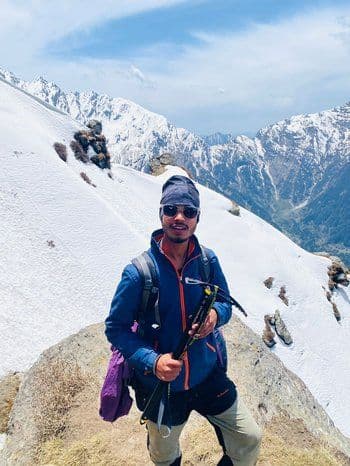
The Nepal Pokalde Peak Expedition is an adventurous trekking peak climb that combines high-altitude trekking, introductory mountaineering experience, and breathtaking Himalayan scenery in the heart of the Everest region. With TrekYaari, climbers receive expert guidance on itinerary planning, Pokalde Peak expedition cost, difficulty level, packing essentials, permit requirements, and the most suitable seasonal conditions. Our experience-driven approach, professionally trained climbing leaders, and strict adherence to international safety standards ensure a reliable, well-organized, and truly memorable expedition to Pokalde Peak.
Pokalde Peak stands at an impressive altitude of 5,806 meters (19,049 feet) within Nepal’s world-famous Sagarmatha National Park in the Khumbu (Everest) region. Although categorized as one of the more accessible trekking peaks in Nepal, Pokalde offers a dramatic high-altitude environment surrounded by towering Himalayan giants. From its summit, climbers are rewarded with sweeping panoramic views of Mount Everest, Lhotse, Makalu, Ama Dablam, and Nuptse. Located near the iconic Kongma La Pass, Pokalde provides one of the most rewarding summit panoramas in the Everest Himalayas, where glaciers, rugged ridgelines, and expansive alpine valleys blend seamlessly into a spectacular mountain landscape.
The journey to Pokalde Peak typically begins with a scenic mountain flight from Kathmandu to Lukla, one of the most thrilling air routes in the world. From Lukla, the trail gradually ascends through legendary Sherpa villages such as Namche Bazaar, Tengboche, Dingboche, and Lobuche. Along the way, climbers pass through lush rhododendron forests, cross suspension bridges above the Dudh Koshi River, traverse glacial moraines, and explore vast alpine meadows framed by snow-capped peaks. Each day on the trail presents awe-inspiring Himalayan vistas, making the expedition visually unforgettable and spiritually uplifting.
The Everest region holds an extraordinary mountaineering legacy. Since the historic first ascent of Mount Everest in 1953, the Khumbu region has become the epicenter of global Himalayan exploration. What was once a remote and isolated mountain valley is now a world-renowned trekking and climbing destination that continues to preserve its authentic Sherpa culture, Buddhist traditions, and pristine natural beauty. Pokalde Peak, while less technical compared to higher expedition peaks, offers climbers an authentic Himalayan climbing experience without extreme technical complexity.
The Pokalde Peak Expedition requires good physical fitness, high-altitude endurance, and basic mountaineering skills. While the climb is not considered highly technical, steep rocky slopes, snow-covered sections, and thin mountain air demand determination, mental resilience, and proper acclimatization. At TrekYaari, we focus on your safety and summit success by providing expert guidance on altitude management, rope techniques, glacier travel basics, and safe climbing practices. Our carefully structured itineraries, reliable logistics, experienced Sherpa climbing guides, and complete expedition support ensure a safe, enriching, and confidence-building Himalayan adventure.
Are you ready to challenge yourself in the heart of the Everest Himalayas and stand atop your first Himalayan summit? Book your Pokalde Peak Expedition with TrekYaari today. We offer transparent pricing, professional support, and personalized services to make your climbing journey truly unforgettable. For detailed information regarding expedition distance, acclimatization schedule, summit strategy, difficulty grading, and more, feel free to explore our website or connect directly with our expert team.
Best Time to Visit Pokalde Peak Expedition
Choosing the correct season is crucial for a safe and successful Pokalde Peak climb, as mountain weather directly influences snow stability, trail conditions, visibility, and overall summit success.
Spring Season (March to May)
Temperatures: Spring is considered one of the best seasons for the Pokalde Peak Expedition. At lower elevations, daytime temperatures range between 10°C and 20°C, while at higher camps temperatures vary from -5°C to 10°C. Night temperatures at base camp and summit sections frequently drop below freezing, making insulated mountaineering gear essential.
Weather Conditions: Spring typically offers stable weather patterns, clear skies, and favorable snow conditions. Climbers benefit from excellent visibility and crystal-clear views of Everest and neighboring peaks. Due to these optimal climbing windows, spring remains one of the most popular seasons for trekking peak expeditions in the Everest region.
Autumn Season (September to November)
Temperatures: Autumn provides cool and crisp trekking and climbing conditions. Daytime temperatures at higher elevations range between -8°C and 8°C, while nighttime temperatures can drop significantly, especially in late October and November.
Weather Conditions: Autumn is another ideal season due to minimal rainfall after the monsoon and exceptionally clear mountain views. Post-monsoon freshness enhances visibility across the Khumbu region, offering sharp, dramatic summit panoramas.
Attaining the Height of Pokalde Peak
The Pokalde Peak Expedition is considered moderately challenging and suitable for climbers with strong physical endurance and basic alpine skills. Although it is not as technically demanding as larger Himalayan peaks, it still requires preparation and high-altitude awareness.
Altitude Challenges -The expedition gradually ascends from Lukla (2,860 meters) to 5,806 meters at the summit. As altitude increases, oxygen levels decrease significantly, potentially causing fatigue, breathlessness, or mild altitude-related symptoms. Our itinerary includes proper acclimatization days in Namche Bazaar and Dingboche to ensure safe adaptation and reduce the risk of Acute Mountain Sickness (AMS).
Terrain and Weather Conditions- The climbing route includes rocky trails, glacial sections, snow slopes, and short scrambling sections near the summit ridge. Weather conditions in the high Himalayas can change rapidly, with wind, snowfall, and sudden temperature drops possible at any time. Climbers must remain adaptable and prepared for dynamic alpine conditions.
Physical Endurance Requirements- Participants should be prepared for 5–7 hours of trekking daily during the approach phase, with additional effort required on summit day. Cardiovascular endurance, strength training, stair climbing, and long-distance hikes with a loaded backpack are strongly recommended before the expedition.
Remote and Basic Facilities- Accommodation during the trekking phase consists of tea houses offering basic but comfortable lodging facilities. At higher elevations near base camp, tented camping arrangements may be required. While luxury amenities are limited, climbers experience authentic Himalayan hospitality and unmatched alpine scenery.
Which Peaks Are Visible from Pokalde Summit
The summit of Pokalde offers one of the most spectacular panoramic viewpoints in the Everest region. From higher sections of the climb, magnificent views of Ama Dablam and Lhotse dominate the skyline. As climbers reach the summit ridge, Mount Everest rises majestically alongside Nuptse and Makalu. The 360-degree panorama from the top creates a dramatic Himalayan amphitheater of snow-clad peaks, vast glaciers, and deep valleys—making the summit moment truly unforgettable.
How to Reach Lukla
Lukla serves as the main gateway for the Pokalde Peak Expedition.
By Air: Domestic flights from Kathmandu to Lukla take approximately 30–35 minutes. The journey offers stunning aerial views of the Himalayas and remains the fastest and most convenient way to access the Everest region.
By Road (Alternative Option): During certain peak travel seasons, travelers may drive from Kathmandu to Ramechhap and board a connecting flight to Lukla, depending on aviation schedules and air traffic regulations.
Pokalde Peak Expedition Difficulty Level
The Pokalde climb is rated as moderate. Although the technical requirements are not extremely advanced, climbers must be comfortable using crampons, ice axes, harnesses, and basic rope techniques. Prior high-altitude trekking experience above 4,500 meters is highly recommended for a successful summit attempt.
Safety Considerations- Proper Acclimatization: A gradual ascent and well-planned rest days significantly reduce the risk of altitude sickness.
Experienced Guides and Sherpas- Climbing alongside trained Sherpa guides ensures safety during snow sections and summit push.
Weather Awareness- Continuous monitoring of mountain weather forecasts allows safe and strategic summit planning.
Travel Insurance- Comprehensive travel insurance covering high-altitude climbing and helicopter evacuation is mandatory for participation.
How to Prepare for Pokalde Peak Climb
Prepare yourself for an unforgettable Himalayan climbing adventure with TrekYaari as you get ready for the Pokalde Peak expedition. This exciting trekking peak combines high-altitude trekking, basic mountaineering skills, and breathtaking views of the Everest Himalayas. With proper preparation, the climb becomes safe, enjoyable, and deeply rewarding.
Understanding the Climbing Route- The Pokalde Peak expedition usually begins with a scenic flight from Kathmandu to Lukla, the gateway to the Everest region. The trail passes through famous Sherpa villages such as Namche Bazaar, Tengboche, and Dingboche before moving toward Kongma La Pass and Pokalde Base Camp. Along the way, climbers walk through suspension bridges, alpine forests, glacial moraines, and high-altitude valleys. The journey offers a perfect blend of natural beauty, cultural exploration, and gradual altitude gain before the summit push.
Altitude Acclimatization- Pokalde Peak stands at an altitude of approximately 5,806 meters (19,049 feet). Although it is considered one of the easier trekking peaks in the Everest region, proper acclimatization is essential. The itinerary includes rest days in Namche Bazaar and Dingboche to help your body adapt to decreasing oxygen levels. Gradual ascent, proper hydration, and maintaining a steady pace significantly reduce the risk of altitude sickness.
Physical and Technical Preparation- A good level of physical fitness is required for Pokalde Peak. Begin training at least 6–8 weeks before the expedition, focusing on:
Cardiovascular endurance (running, cycling, stair climbing)
Leg strength and core stability
Long-distance hiking with a loaded backpack
Although Pokalde is considered a non-technical or minimally technical peak, climbers should be comfortable using basic mountaineering equipment such as crampons, an ice axe, harness, and ropes. Mental preparedness is equally important, as summit day involves steep sections and high-altitude effort.
Cultural Experience and Local Interaction- The Everest region is home to the Sherpa community, known for their mountaineering heritage and warm hospitality. Visiting monasteries in Tengboche, exploring Namche Bazaar, and interacting with local families provide a meaningful cultural dimension to the expedition. The spiritual atmosphere and traditional lifestyle add depth to the climbing journey.
Panoramic Himalayan Views- Throughout the expedition, climbers are rewarded with spectacular views of some of the world’s highest mountains. From higher camps and the summit, you can witness breathtaking panoramas of
Mount Everest
Lhotse
Makalu
Ama Dablam
Nuptse
The dramatic Himalayan skyline makes every step of the journey visually unforgettable.
Reaching the Summit of Pokalde Peak- Standing on the summit of Pokalde Peak is a proud and unforgettable achievement. The climb typically involves rocky terrain and a short snow section near the top. From the summit, climbers enjoy a stunning 360-degree panorama of the Everest region, creating a true sense of accomplishment and awe.
Best Seasons to Climb
The best seasons for Pokalde Peak are:
Spring (March to May) – Stable weather, clear skies, and moderate temperatures.
Autumn (September to November) – Crisp air, excellent visibility, and favorable climbing conditions.
These seasons provide safer routes and spectacular mountain views.
Permits and Expedition Logistics- Climbers require permits such as the Sagarmatha National Park Permit and the Nepal Mountaineering Association (NMA) climbing permit for Pokalde Peak. Booking experienced guides, porters, and accommodations in advance ensures a smooth and well-managed expedition.
Essential Gear and Packing- Proper gear is crucial for a successful climb. Essential equipment includes:
Mountaineering boots
Crampons and ice axe
Climbing harness and helmet
Down jacket and layered clothing
Warm gloves and insulated sleeping bag
Trekking poles and personal medical kit
Packing wisely ensures comfort and safety in changing mountain conditions.
How to Prepare for Pokalde Peak Climb
Prepare yourself for an unforgettable Himalayan climbing adventure with TrekYaari as you get ready for the Pokalde Peak expedition. This exciting trekking peak combines high-altitude trekking, basic mountaineering skills, and breathtaking views of the Everest Himalayas. With proper preparation, the climb becomes safe, enjoyable, and deeply rewarding.
Understanding the Climbing Route- The Pokalde Peak expedition usually begins with a scenic flight from Kathmandu to Lukla, the gateway to the Everest region. The trail passes through famous Sherpa villages such as Namche Bazaar, Tengboche, and Dingboche before moving toward Kongma La Pass and Pokalde Base Camp. Along the way, climbers walk through suspension bridges, alpine forests, glacial moraines, and high-altitude valleys. The journey offers a perfect blend of natural beauty, cultural exploration, and gradual altitude gain before the summit push.
Altitude Acclimatization- Pokalde Peak stands at an altitude of approximately 5,806 meters (19,049 feet). Although it is considered one of the easier trekking peaks in the Everest region, proper acclimatization is essential. The itinerary includes rest days in Namche Bazaar and Dingboche to help your body adapt to decreasing oxygen levels. Gradual ascent, proper hydration, and maintaining a steady pace significantly reduce the risk of altitude sickness.
Physical and Technical Preparation- A good level of physical fitness is required for Pokalde Peak. Begin training at least 6–8 weeks before the expedition, focusing on:
Cardiovascular endurance (running, cycling, stair climbing)
Leg strength and core stability
Long-distance hiking with a loaded backpack
Although Pokalde is considered a non-technical or minimally technical peak, climbers should be comfortable using basic mountaineering equipment such as crampons, an ice axe, harness, and ropes. Mental preparedness is equally important, as summit day involves steep sections and high-altitude effort.
Cultural Experience and Local Interaction- The Everest region is home to the Sherpa community, known for their mountaineering heritage and warm hospitality. Visiting monasteries in Tengboche, exploring Namche Bazaar, and interacting with local families provide a meaningful cultural dimension to the expedition. The spiritual atmosphere and traditional lifestyle add depth to the climbing journey.
Panoramic Himalayan Views- Throughout the expedition, climbers are rewarded with spectacular views of some of the world’s highest mountains. From higher camps and the summit, you can witness breathtaking panoramas of
Mount Everest
Lhotse
Makalu
Ama Dablam
Nuptse
The dramatic Himalayan skyline makes every step of the journey visually unforgettable.
Reaching the Summit of Pokalde Peak
Standing on the summit of Pokalde Peak is a proud and unforgettable achievement. The climb typically involves rocky terrain and a short snow section near the top. From the summit, climbers enjoy a stunning 360-degree panorama of the Everest region, creating a true sense of accomplishment and awe.
Best Seasons to Climb
The best seasons for Pokalde Peak are:
Spring (March to May) – Stable weather, clear skies, and moderate temperatures.
Autumn (September to November) – Crisp air, excellent visibility, and favorable climbing conditions.
These seasons provide safer routes and spectacular mountain views.
Permits and Expedition Logistics- Climbers require permits such as the Sagarmatha National Park Permit and the Nepal Mountaineering Association (NMA) climbing permit for Pokalde Peak. Booking experienced guides, porters, and accommodations in advance ensures a smooth and well-managed expedition.
Essential Gear and Packing- Proper gear is crucial for a successful climb. Essential equipment includes:
Mountaineering boots
Crampons and ice axe
Climbing harness and helmet
Down jacket and layered clothing
Warm gloves and insulated sleeping bag
Trekking poles and personal medical kit
Packing wisely ensures comfort and safety in changing mountain conditions.Top of FormBottom of Form
With thorough preparation, a determined mindset, and expert guidance, the Pokalde Peak Expedition transforms from a demanding alpine ascent into a life-changing Himalayan achievement. Standing on the summit surrounded by Everest, Lhotse, Makalu, Ama Dablam, and Nuptse is a moment of immense pride and inspiration.
At TrekYaari, we are committed to supporting you at every stage—from expedition planning and logistics to acclimatization management, safety protocols, and summit strategy. Whether this is your first Himalayan climbing expedition or another milestone in your mountaineering journey, Pokalde Peak promises an extraordinary adventure that will remain etched in your memory long after you descend from the mountains.


