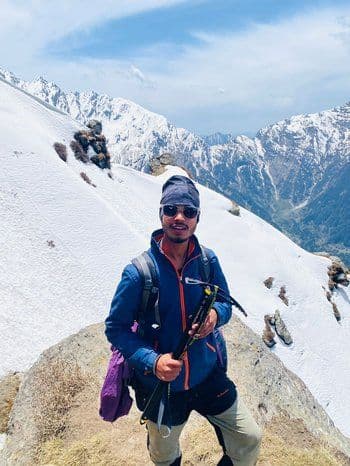
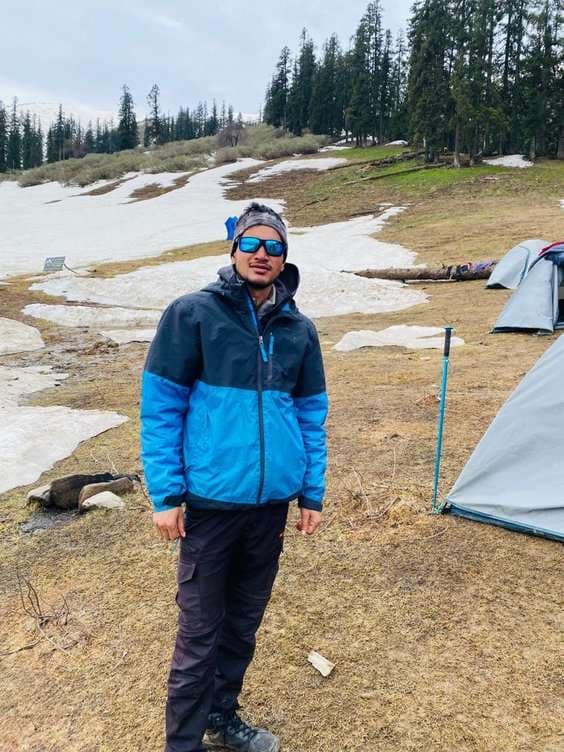
The Nepal Pabil Peak Expedition is a thrilling Himalayan climbing journey that combines scenic trekking routes, challenging alpine terrain, and breathtaking views of the Everest region. With TrekYaari, climbers receive expert guidance on expedition planning, Pabil Peak climbing cost, difficulty level, gear preparation, and best climbing seasons. Our trained expedition leaders and safety-focused approach ensure a professional and rewarding mountaineering experience.
The peak lies in the eastern Himalayan region of Nepal and offers breathtaking panoramic views of surrounding Himalayan giants, vast glaciers, and rugged alpine landscapes.
The expedition usually begins in Kathmandu, followed by a scenic mountain flight to Lukla, the main gateway to the Everest region. From Lukla, the trekking route follows the classic Khumbu Valley trail through beautiful Sherpa villages, forests, and high Himalayan landscapes before reaching the base camp of Pabil Peak.
During the expedition, climbers may witness distant views of major Himalayan peaks such as Mount Everest, Lhotse, Nuptse, and Ama Dablam, along with many surrounding snow-covered summits of the eastern Himalayan range.
The Pabil Peak Expedition requires strong physical endurance, mountaineering skills, and proper acclimatization. TrekYaari ensures safe expedition logistics with experienced guides, high-quality climbing equipment support, and carefully planned acclimatization schedules.
If you are seeking a challenging high-altitude adventure in the Everest region, the Pabil Peak Expedition offers an unforgettable mountaineering experience.
Best Time to Visit Pabil Peak Expedition
Choosing the right climbing season is important for the success of the Pabil Peak Expedition, as weather conditions in the high Himalayas can change rapidly. Favorable seasons offer stable snow conditions, better visibility, and safer glacier travel.
Spring Season (March to May)
Temperatures: During spring, daytime temperatures in the lower Everest region range between 12°C and 20°C. At higher camps on Pabil Peak above 6,000 meters, daytime temperatures usually range from -8°C to 2°C, while nighttime temperatures can fall below -18°C.
Weather Conditions: Spring is one of the most popular climbing seasons in the Everest Region. Climbers enjoy clear skies and breathtaking views of major Himalayan peaks including Mount Everest, Nuptse, and Ama Dablam. Snow conditions are usually stable, which helps climbers safely navigate glaciers and high-altitude ridges.
Autumn Season (September to November)
Temperatures: Autumn offers cool and comfortable climbing temperatures. At high camps on Pabil Peak, daytime temperatures generally range between -10°C and 3°C, while nighttime temperatures may fall below -20°C.
Weather Conditions: The post-monsoon season brings crystal-clear skies and outstanding mountain visibility. Dry trails and stable weather conditions make autumn another excellent season for climbers attempting the Pabil Peak summit.
Attaining the Height of Pabil Peak Expedition
The Pabil Peak Expedition is a challenging high-altitude mountaineering adventure in the Everest region of Nepal. Rising above 7,000 meters, the climb requires strong physical endurance, proper acclimatization, and previous high-altitude trekking or climbing experience. Although the expedition follows well-established trekking routes in its early stages, the summit push involves demanding alpine terrain.
Altitude Challenges – The expedition begins with a flight to Lukla Airport before gradually ascending through the famous trekking routes of the Everest Region. The summit of Pabil Peak reaches approximately 7,101 meters, where oxygen levels are significantly lower than at sea level. Climbers may experience fatigue or altitude-related symptoms if proper acclimatization is not followed. Our expedition schedule includes gradual elevation gain and rest days to help climbers safely adapt to the high altitude.
Terrain and Weather Conditions – The route to Pabil Peak includes glacier travel, steep snow slopes, and exposed high-altitude ridges. Weather conditions in the Everest region can change quickly, with strong winds, freezing temperatures, and occasional snowfall at higher elevations. Proper mountaineering equipment and careful route planning are essential for safe climbing.
Physical Endurance Requirements – The Pabil Peak Expedition demands excellent physical fitness and strong endurance. Daily trekking during the approach phase typically lasts 5 to 7 hours, while summit days can be significantly longer and more demanding. Climbers are advised to train with endurance exercises, cardio workouts, and strength training before attempting the expedition.
Remote and Basic Facilities – Accommodation during the lower stages of the expedition includes teahouses in well-known villages such as Namche Bazaar and Tengboche. Higher camps on the mountain are established as expedition-style tented camps where climbers receive logistical support, food, and shelter from the expedition team.
Which Peaks Are Visible on the Trail of Pabil Peak Expedition
The Pabil Peak Expedition offers extraordinary views of the Everest region’s most famous mountains. As climbers trek through the Khumbu valley and ascend toward the expedition base camp, the surrounding Himalayan skyline becomes increasingly dramatic and awe-inspiring.
During the early trekking stages through Namche Bazaar and Tengboche, climbers enjoy spectacular views of Mount Everest (8,848 m), Lhotse (8,516 m), and the elegant pyramid of Ama Dablam (6,812 m). These peaks dominate the skyline and provide some of the most iconic mountain scenery in the Himalayas.
As the expedition progresses deeper into the high alpine terrain, additional peaks such as Nuptse (7,861 m) and Cho Oyu (8,188 m) become visible in the distance. The dramatic ridges and glaciated slopes surrounding the expedition route highlight the raw beauty of the Everest region.
From higher camps on Pabil Peak, climbers are rewarded with expansive views of the surrounding Himalayan giants. Snow-covered summits, deep valleys, and vast glacier systems create a powerful mountain panorama that makes the Pabil Peak Expedition a visually unforgettable Himalayan adventure.
How to Reach Pabil Peak Expedition
Kathmandu serves as the main gateway for the Pabil Peak Expedition in Nepal. As the country’s largest transportation center, Kathmandu provides excellent international and domestic connectivity. Expedition members usually gather in Kathmandu for permit formalities, equipment checks, and final preparations before heading to the Everest region.
Traveling to Kathmandu
By Air
International Flights: Travelers reach Nepal through Tribhuvan International Airport (IATA: KTM). The airport connects Kathmandu with several major international cities, making it the primary entry point for climbers planning Himalayan expeditions.
Domestic Flights: After arriving in Kathmandu, climbers typically take a short mountain flight to Lukla Airport. This flight offers spectacular aerial views of the Himalayas and marks the beginning of the trekking approach through the Everest Region.
Overland Travel
From India: Travelers from India can enter Nepal through open land borders such as Sunauli–Bhairahawa Border and Raxaul–Birgunj Border. From there, buses and taxis are available to reach Kathmandu, where the expedition preparations begin.
Pabil Peak Expedition Difficulty Level
The Pabil Peak Expedition is considered a challenging Himalayan mountaineering climb due to its elevation above 7,000 meters. The expedition requires excellent physical conditioning, proper acclimatization, and previous high-altitude trekking or climbing experience. Climbers should be prepared for demanding terrain and extreme mountain conditions.
Proper Gear and Clothing – High-quality mountaineering equipment is essential for the Pabil Peak Expedition. Climbers must carry insulated clothing, climbing boots, helmets, harnesses, and protective gear suitable for glacier travel and cold alpine environments.
Hydration and Nutrition – Maintaining hydration and proper nutrition is critical at high altitude. Climbers should consume sufficient water, hot drinks, and calorie-rich meals to maintain strength and endurance during the expedition.
Weather Awareness and Itinerary Flexibility – Weather conditions in the Everest Region can change quickly, especially near high camps. Snowstorms, strong winds, and freezing temperatures may require changes to the climbing schedule. Flexibility in the expedition plan helps ensure safety.
Emergency Preparedness – Because of the remote nature of the climb, climbers must be prepared for emergencies. Carrying essential medical supplies, communication devices, and maintaining coordination with the expedition team are important safety measures.
Travel Insurance – A comprehensive travel insurance policy covering high-altitude mountaineering and helicopter evacuation is strongly recommended for the Pabil Peak Expedition.
Physical Fitness and Mental Readiness – Climbers must possess excellent endurance and strength to manage long trekking days and demanding summit climbs. Mental resilience is also crucial for coping with extreme conditions and prolonged climbing efforts.
Acclimatization and Pace – Proper acclimatization is vital at elevations above 7,000 meters. Climbers should follow a gradual ascent plan and avoid rushing to higher camps to reduce the risk of altitude-related illness.
Factors Related to Safety in Pabil Peak Expedition
Safety is a crucial consideration during the Pabil Peak Expedition due to its high-altitude environment, steep ridges, and remote mountain conditions. Careful preparation and experienced guidance help ensure a safe climbing experience.
Proper Acclimatization – Gradual altitude gain is essential while climbing Pabil Peak. Climbers must follow the planned acclimatization schedule to allow the body to adjust to higher elevations.
Experienced Guides and Sherpa Support – Professional guides and Sherpa climbers provide valuable support during route navigation, rope fixing, and summit attempts, ensuring climbers move safely across technical terrain.
Technical Skills and Fitness – The expedition requires good physical conditioning and basic mountaineering knowledge. Climbers should train with cardio exercises, endurance training, and practice with climbing equipment before the expedition.
Weather Awareness – Weather conditions in the Himalayas can change rapidly. Expedition leaders closely monitor weather forecasts and determine the safest summit window.
Proper Climbing Equipment – Using proper mountaineering equipment such as crampons, harnesses, helmets, ice axes, and insulated clothing ensures safety in cold and icy conditions.
Hydration and Nutrition – Regular hydration and nutritious meals help maintain energy levels and improve recovery during climbing days.
Emergency Preparedness – Expedition teams remain prepared for emergencies with communication devices, medical kits, and evacuation planning.
Travel Insurance – Travel insurance covering high-altitude climbing and emergency evacuation is essential for climbers attempting Pabil Peak.
How to Prepare for Pabil Peak Expedition
Prepare yourself for an incredible Himalayan climbing adventure with TrekYaari as you get ready for the Pabil Peak Expedition. This expedition offers a combination of challenging alpine climbing, stunning mountain landscapes, and an authentic Himalayan experience.
Understanding the Expedition Route – The Pabil Peak Expedition begins in Kathmandu and continues with travel toward the remote Himalayan region where the peak is located. The trekking approach passes through scenic valleys, mountain villages, and rugged alpine terrain before reaching the base camp of Pabil Peak.
Altitude Acclimatization – Proper acclimatization is essential during the Pabil Peak Expedition. Gradual altitude gain and rest days allow climbers to adapt to higher elevations and reduce the risk of altitude-related issues.
Physical and Mental Preparation – Climbers should prepare with regular training that includes cardio workouts, endurance exercises, and strength-building activities. Mental readiness is also important for handling long climbing days and challenging mountain conditions.
Cultural Experience and Local Interaction – During the trek to base camp, climbers pass through traditional Himalayan communities where they can experience local culture, traditions, and warm hospitality.
Panoramic Mountain Views – The expedition route provides stunning views of snow-covered peaks, glaciers, and dramatic Himalayan landscapes that make the journey visually rewarding.
Reaching the Summit of Pabil Peak – The summit climb offers breathtaking panoramic views and a strong sense of accomplishment after overcoming the challenges of high-altitude climbing.
Best Seasons for the Expedition – The most favorable seasons for climbing Pabil Peak are spring and autumn when weather conditions are stable and the skies remain clear.
Permits and Expedition Logistics – Climbers must obtain official climbing permits along with other necessary trekking permits. Professional expedition support ensures safety and smooth logistics.
Essential Gear and Packing – Climbers should carry complete mountaineering gear including crampons, harnesses, helmets, ice axes, ropes, insulated clothing, and proper high-altitude camping equipment.
With proper preparation and expert support from TrekYaari, the Pabil Peak Expedition becomes an inspiring Himalayan climbing experience filled with adventure, discovery, and unforgettable summit views.


