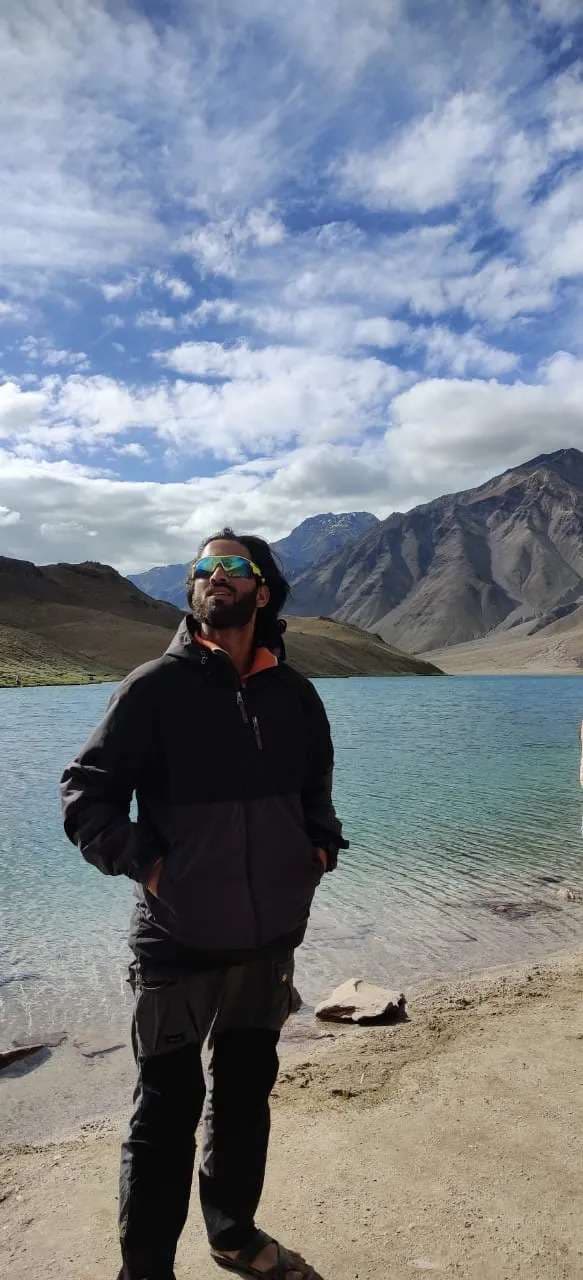
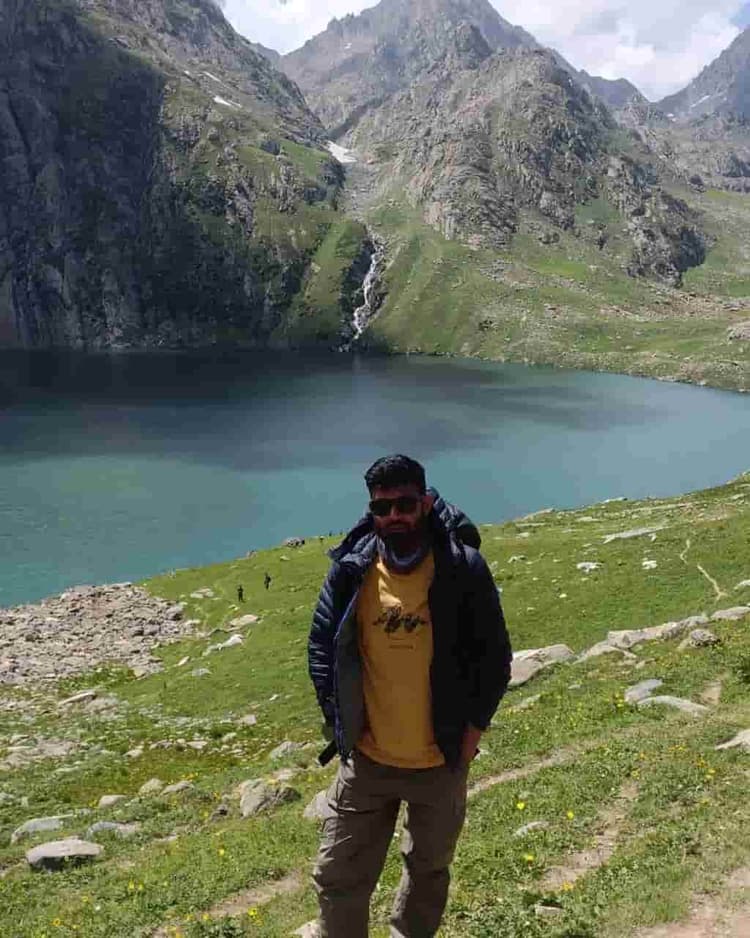
The Nepal Ombigaichan Peak Trek is a thrilling high-altitude trek that combines pristine natural beauty, cultural richness, and a rewarding physical challenge. With TrekYaari, trekkers receive expert guidance on itinerary planning, trek cost, difficulty level, packing essentials, and seasonal conditions. Our experience-driven approach, trained trek leaders, and strict focus on safety standards ensure a reliable, well-organized, and unforgettable trekking experience to Ombigaichan Peak.
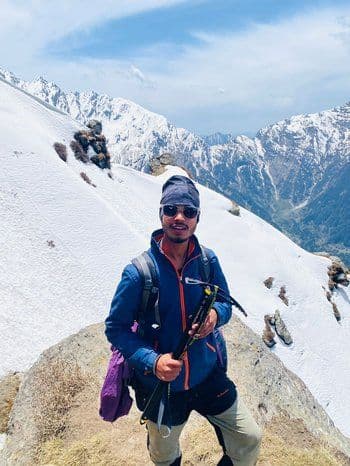
Ombigaichan Peak stands at an impressive altitude of approximately 6,100 meters (20,013 feet) in the remote highlands of Nepal. Surrounded by towering Himalayan giants, the peak offers a dramatic panorama of snow-capped ridges, glaciers, and alpine valleys, making it one of the most visually striking trekking destinations in the region.
The journey to Ombigaichan Peak usually begins from Pokhara, Nepal’s scenic lakeside city and gateway to the Himalayas. From here, trekkers traverse charming villages inhabited by Gurung and Magar communities, including trail points such as Jagat, Deng, Namrung, Samagaun, and Meera Base Camp. The trek passes through lush rhododendron and pine forests, terraced farmlands, cascading streams, and steep river valleys. Along the route, trekkers are treated to breathtaking views of Manaslu, Annapurna South, Hiunchuli, Gangapurna, and surrounding Himalayan peaks, making each day on the trail a visual delight.
The region around Ombigaichan Peak has a rich mountaineering and trekking legacy. While the peak itself is less crowded than some other Himalayan summits, it offers the thrill of high-altitude trekking with opportunities for summit exploration, appealing to adventurers seeking both challenge and serenity. The route preserves its raw natural beauty and cultural authenticity, allowing trekkers to immerse themselves in the Himalayan wilderness while engaging with local communities.
The Ombigaichan Peak Trek requires moderate to high fitness and careful preparation due to the altitude, glacier crossings, and long trekking days. At TrekYaari, we prioritize your safety and comfort, providing expert guidance on acclimatization, high-altitude awareness, trekking best practices, and summit preparation. Our thoughtfully planned itineraries, reliable accommodation, experienced guides, and seamless logistics ensure a safe and enriching trekking experience.
Are you ready to challenge yourself and explore the majestic heights of the Himalayas? Book your Ombigaichan Peak Trek with TrekYaari today. We offer transparent pricing, professional support, and personalized services to make your adventure truly memorable. For detailed information on trek distance, total kilometers, difficulty level, and itinerary highlights, feel free to explore our website or connect with our expert team.
Best Time to Visit Ombigaichan Peak Trek
Choosing the right season is crucial for a safe, enjoyable, and memorable Ombigaichan Peak Trek, as weather conditions directly influence not only the trail safety and visibility but also overall trekking comfort and the quality of your Himalayan experience. Trekking during the ideal months ensures pleasant temperatures, stunning panoramic views of surrounding peaks, and a journey that combines both adventure and natural beauty in the remote high Himalayas.
Spring Season (March to June)
Temperatures: - Spring is widely regarded as one of the best seasons for the Ombigaichan Peak Trek, offering mild and comfortable conditions at lower altitudes while allowing trekkers to gradually adapt to high-altitude climates. At the lower sections of the trail, daytime temperatures typically range between 15°C and 25°C, creating ideal trekking conditions without excessive heat or humidity. As the trail ascends toward high-altitude camps and the base of Ombigaichan Peak (approximately 5,500–6,100 m), daytime temperatures generally stay between 5°C and 15°C, while nights can drop sharply below 0°C at the highest camps, making it essential for trekkers to bring warm layers, insulated jackets, gloves, and thermal hats to stay comfortable and safe.
Weather Conditions: - Spring offers stable weather, clear skies, and excellent visibility, which is perfect for trekking and photography. The trail is adorned with vibrant blooming rhododendron, juniper, and alpine flowers, creating a spectacular colorful display especially in forested mid-hill sections. Trekkers can enjoy close-up views of Ombigaichan Peak itself, as well as nearby Himalayan giants such as Manaslu, Annapurna South, Hiunchuli, and Gangapurna, offering a visual feast at every turn. Because of its consistent weather and remarkable natural scenery, spring attracts trekkers from all over the world who seek both adventure and immersive Himalayan landscapes.
Autumn Season (September to December)
Temperatures: Autumn is another ideal trekking season for Ombigaichan Peak, providing cool, crisp, and highly comfortable conditions throughout the trek. Lower-altitude sections remain pleasantly warm during the day, while higher-altitude areas, especially near Meera Base Camp and Ombigaichan Peak, have daytime temperatures typically ranging from 5°C to 12°C, with nights often falling well below freezing. Proper insulated clothing, high-quality sleeping bags, and warm gear are necessary to endure the chill at high camps while maintaining comfort and safety.
Weather Conditions: Autumn is considered the optimal season for high-altitude trekking because the skies are usually exceptionally clear, offering panoramic, uninterrupted views of Ombigaichan Peak and surrounding Himalayan summits. The post-monsoon freshness enhances the beauty of glacial streams, alpine meadows, and dense forests, giving trekkers the perfect backdrop for photography and nature immersion. Compared to spring, autumn routes are often less crowded, allowing trekkers to enjoy serene landscapes, quiet trails, and a sense of solitude in the high Himalayas, making this season ideal for those seeking peace alongside adventure.
Which Peaks Are Visible on the Trail of Ombigaichan Peak
The Ombigaichan Peak Trek offers trekkers one of the most spectacular, immersive, and close-up Himalayan mountain viewing experiences, where the journey itself becomes as rewarding as reaching the summit, allowing trekkers to feel fully surrounded by towering snow-capped peaks, jagged ridges, and pristine alpine landscapes throughout the expedition.
Starting from the mid-hill villages such as Sikles and Lumle, trekkers are welcomed by stunning, gradually unfolding views of nearby peaks, where snow-clad ridges rise dramatically above terraced farmland and verdant forests, showcasing the contrast between cultivated valleys and wild Himalayan terrain. On clear mornings, the striking and imposing Ombigaichan Peak itself dominates the skyline with its rugged, glacier-carved slopes, challenging even seasoned climbers while simultaneously inspiring awe for its raw, untouched beauty and remote location.
As trekkers ascend through forest-covered hills, high alpine meadows, and glacial valleys, the landscape transforms into truly high-altitude terrain, with panoramic views revealing neighboring peaks and remote ridgelines, while the narrowing valleys and increasingly rugged trails create an immersive sense of being deep in the heart of the Himalayas, far from civilization. Peaks such as nearby unnamed summits and ridges, covered in snow and ice, emerge with striking glacial faces, giving trekkers a visual sense of the scale, isolation, and majesty of the mountain environment surrounding Ombigaichan Peak.
Upon reaching the base camp of Ombigaichan Peak (approx. 4,800 meters), trekkers are surrounded by a 360-degree panorama of pristine, towering peaks, glaciers, and alpine ridges. From this vantage point, the main summit of Ombigaichan Peak, along with surrounding ridges, snowfields, and nearby peaks, presents a truly awe-inspiring and unforgettable mountain amphitheater that rewards all the effort, stamina, and preparation required to reach this remote Himalayan destination.
How to Reach Pokhara for Ombigaichan Peak Trek
Pokhara, renowned as Nepal’s most scenic lakeside city, serves as the primary gateway for the Ombigaichan Peak Trek, providing the essential starting point for most treks in the region due to its proximity to the western Himalayas, reliable infrastructure, and rich cultural atmosphere that introduces trekkers to Nepal before they ascend into the high mountains. Located at the foothills of the lesser-known western Himalayan ranges, Pokhara is extremely well connected by both air and road, making it accessible for domestic and international travelers, whether arriving for the first time in Nepal or connecting from other Himalayan regions.
Traveling to Pokhara
By Air: Pokhara is served by Pokhara International Airport (PKR), which operates multiple frequent domestic flights from Kathmandu, providing travelers with a fast, comfortable, and scenic approach to the western Himalayan region. The flight, lasting approximately 25–30 minutes, offers breathtaking aerial views of snow-covered mountains, river valleys, terraced fields, and lush forests, giving trekkers an early taste of the Himalayan adventure to come. Several domestic airlines reliably operate on this route, making air travel the most convenient and time-efficient method for reaching Pokhara before starting the trek to Ombigaichan Peak. International travelers typically arrive in Kathmandu first and then take a connecting domestic flight to Pokhara, ensuring seamless integration into the trekking itinerary.
By Road: From Kathmandu, Pokhara is approximately 200 kilometers west, and the journey by road takes about 6 to 8 hours, depending on traffic, road conditions, and chosen mode of transport. Trekkers may opt for tourist buses, private taxis, or luxury coaches, all of which provide a culturally enriching journey through scenic river valleys, terraced hillsides, small villages, and local marketplaces, offering glimpses of rural Nepali life along the way. From India, travelers can enter Nepal through popular border points such as Sunauli–Bhairahawa or Raxaul–Birgunj, after which Pokhara can be reached via domestic flights, private vehicles, or tourist buses, giving trekkers multiple options for entering the country and beginning the Ombigaichan Peak adventure.
Ombigaichan Peak Trek Difficulty Level
The Ombigaichan Peak Trek is generally considered a moderate to challenging high-altitude trek, suitable for trekkers with a reasonable level of physical fitness, proper preparation, and a strong willingness to navigate continuous ascents, steep descents, and remote mountainous terrain while managing changing weather conditions and long daily walking hours. While the trek does not require technical climbing skills, trekkers need awareness, readiness, and careful planning to ensure a safe, rewarding, and fully enjoyable high-altitude Himalayan experience.
Proper Gear and Clothing: Trekking at varying elevations requires carrying appropriate high-altitude gear to manage cold temperatures near the base camp, humidity at lower elevations, and sudden weather changes. Layered clothing, sturdy trekking shoes, warm jackets, gloves, rain protection, and moisture-wicking clothing are essential to adapt comfortably to diverse conditions, ensuring both safety and physical comfort throughout the journey.
Hydration and Nutrition: Adequate hydration and balanced nutrition are crucial for maintaining energy, supporting acclimatization, and preventing fatigue. Trekkers should drink sufficient water daily, consume high-energy meals rich in carbohydrates and proteins, and snack as needed during long walking days to maintain stamina and recover properly after challenging sections of the trek.
Weather Awareness and Itinerary Flexibility: Weather in the Himalayan region around Ombigaichan Peak can change rapidly, particularly during shoulder seasons, with possibilities of rain, fog, snow, or sudden temperature drops at higher altitudes. Trekkers must remain aware of daily weather conditions, stay flexible with the trekking schedule, and adjust the pace or route as necessary to maintain safety while optimizing the trekking experience.
Emergency Preparedness: Although the trekking area is reasonably well-mapped and frequented by local guides, emergency preparedness is essential. Trekkers should carry basic medical supplies, maintain emergency contacts, and understand evacuation procedures, while guides and porters are trained to manage emergencies and assist with safe evacuation if needed.
Physical Fitness and Mental Readiness: A moderate to high level of fitness is required, with regular cardio exercises, leg-strengthening routines, and endurance training recommended weeks in advance. Mental readiness is equally important, as continuous walking, steep terrain, and changing conditions can challenge both body and mind, requiring focus, stamina, and resilience to safely complete the trek.
Acclimatization and Pace: Although Ombigaichan Peak is slightly lower than Everest Base Camp, maintaining a steady pace, gradual ascent, and regular rest days is critical to allow the body to adjust naturally to altitude, prevent fatigue, and enjoy the trekking experience safely while absorbing the stunning Himalayan landscapes along the trail.
Factors Related to Safety on Ombigaichan Peak Trek
Safety is a core priority for the Ombigaichan Peak Trek, as trekkers encounter continuous ascents and descents, variable weather conditions, and remote terrain. Proper planning, awareness, and preparation are essential to ensure a safe and comfortable high-altitude experience.
Proper Acclimatization: Gradual acclimatization is necessary to prevent altitude sickness, even though Ombigaichan Peak is lower than Everest Base Camp. Following a well-paced itinerary, listening to your body, and taking early symptoms seriously ensures that trekkers maintain health and energy throughout the expedition.
Experienced Guides and Porters: Trekking with knowledgeable local guides and porters significantly enhances safety, as they have intimate knowledge of trail conditions, weather patterns, and terrain, providing crucial assistance on steep, narrow, or slippery sections of the trail.
Physical Preparation: Pre-trek fitness training helps reduce risk of injury, fatigue, and exhaustion. Cardiovascular exercises, leg-strengthening workouts, and endurance training prepare trekkers for long walking days, steep climbs, and challenging descents along the route.
Weather Awareness and Route Safety: Keeping updated on weather forecasts and following marked trails ensures route safety. Trekkers should avoid risky shortcuts and always remain flexible to accommodate sudden weather changes, landslides, or other trail hazards.
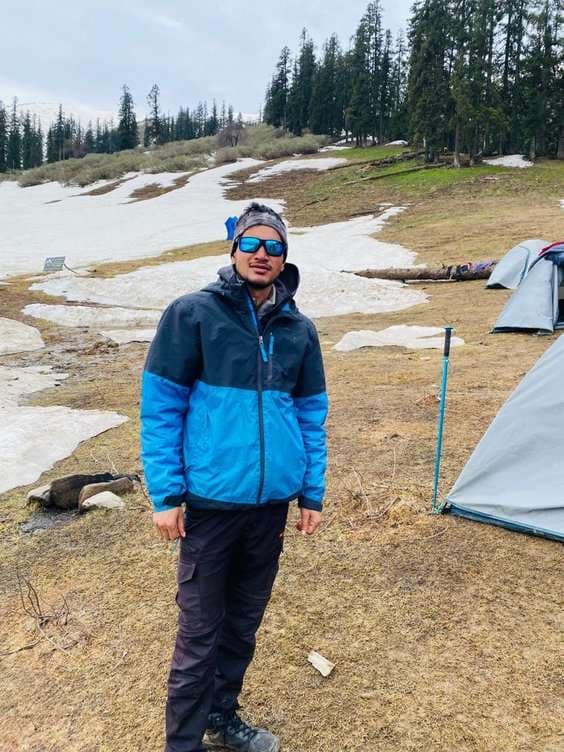
Proper Gear and Equipment: Using appropriate trekking gear, including sturdy shoes, trekking poles, layered clothing, rain protection, and warm high-altitude gear, enhances safety and comfort, protecting against cold, wet conditions, and slippery trails.
Hydration and Nutrition: Adequate water intake, high-energy meals, and nutritious snacks are essential to maintain stamina, aid recovery, and support acclimatization during long trekking days. Alcohol and smoking should be avoided to prevent negative impacts on endurance and altitude adaptation.
Emergency Preparedness and Communication: Even though the region is relatively well-served, maintaining emergency contacts, knowing communication limits, and understanding evacuation procedures are critical safety measures for all trekkers.
Travel Insurance: Comprehensive travel insurance covering high-altitude trekking, medical emergencies, and helicopter evacuation is strongly recommended to provide financial protection, peace of mind, and preparedness for unforeseen situations.
How to Prepare for Ombigaichan Peak Trek
Proper preparation ensures the Ombigaichan Peak Trek becomes a safe, enjoyable, and deeply enriching Himalayan adventure, combining physical challenge, cultural immersion, and unparalleled mountain scenery.
Understanding the Trek Route: The journey typically begins from Pokhara, followed by transport to trailheads such as Sikles or Lumle, and passes through charming villages, dense forests, alpine meadows, and glacial valleys. This route offers an ideal combination of natural beauty, cultural exposure, and Himalayan adventure.
Altitude Acclimatization: Although slightly lower than Everest Base Camp, gradual ascent and proper pacing are vital to allow the body to adjust naturally to altitude changes, with hydration, rest, and attentive listening to physical symptoms preventing altitude-related problems.
Physical and Mental Preparation: Trekkers should engage in 4–6 weeks of pre-trek training, focusing on cardiovascular fitness, leg strength, and endurance, while cultivating mental resilience to handle continuous climbs, descents, and high-altitude conditions.
Cultural Experience and Local Interaction: The region is home to welcoming Gurung and Magar communities, offering trekkers opportunities to interact with locals, learn about traditional village life, and experience cultural practices, enriching the trekking journey beyond natural scenery.
Panoramic Himalayan Views: Every stage of the trek provides breathtaking, ever-changing views of Ombigaichan Peak, nearby ridges, glaciers, and alpine peaks, transitioning from lush green forests to snow-covered landscapes, ensuring a visually stunning journey each day.
Reaching Ombigaichan Peak Base Camp and Summit: Standing at the base camp or summit of Ombigaichan Peak, surrounded by towering peaks, glaciers, and pristine alpine landscapes, provides a profound sense of achievement, awe, and connection with the mountains, making the trek deeply rewarding and unforgettable.
Best Seasons to Trek: The spring (March to June) and autumn (September to December) months offer the most stable weather, clear skies, and comfortable trekking conditions, providing optimal opportunities to experience the peak in its full grandeur.
Permits and Trek Logistics: Trekkers require appropriate permits, such as regional conservation permits, and should book guides, porters, and accommodations in advance during peak seasons to ensure a smooth, safe, and organized trekking experience.
Essential Gear and Packing: Proper packing includes high-quality trekking shoes, layered clothing, rain protection, warm jackets, sleeping bags, trekking poles, and personal medical supplies, enabling trekkers to remain safe, comfortable, and prepared for variable Himalayan conditions.
With careful preparation, the right mindset, and expert guidance from TrekYaari, the Ombigaichan Peak Trek transforms from a challenging mountain journey into a life-changing adventure, offering personal growth, self-discovery, cultural immersion, and an intimate connection with the majestic Himalayan environment. Walking through remote villages, alpine meadows, glacial valleys, and rugged mountain terrain, every step of the trail provides inspiration, challenge, and awe-inspiring scenery.
TrekYaari supports you at every stage of the journey—from planning and logistics to safety, acclimatization, and experienced local guidance, ensuring your trek is comfortable, secure, and unforgettable, leaving you with memories of the remote, pristine, and magnificent Himalayan landscapes surrounding Ombigaichan Peak.


