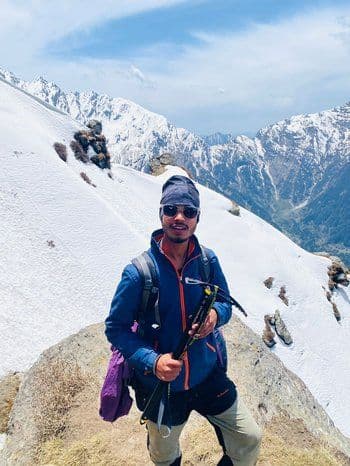
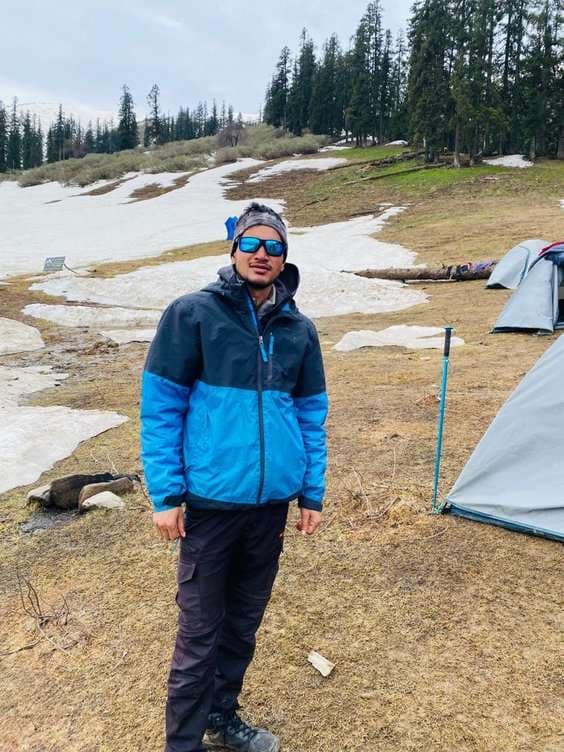
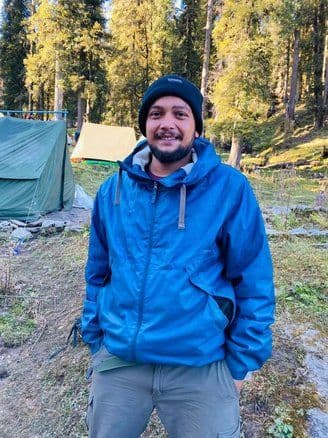
Nemjung is a striking Himalayan mountain located in the central region of Nepal. The peak rises to an impressive elevation of 7,140 meters (23,425 feet) above sea level and lies approximately 150 kilometers northwest of Kathmandu, the capital city of Nepal. Geographically, Nemjung is situated about 25 kilometers northwest of Manaslu (8,163 m), the eighth-highest mountain in the world. The mountain forms part of the Mansiri Himal subrange of the Himalayas, a rugged and remote mountain chain known for its dramatic landscapes, glaciers, and towering peaks.
Nemjung is located in a relatively isolated section of the Himalayas near the Manaslu region, an area famous for its untouched wilderness, deep valleys, and traditional mountain villages. The terrain around the peak consists of steep ridges, massive glaciers, rocky faces, and snow-covered slopes, making it both visually impressive and technically demanding for climbers. Due to its remote location and challenging climbing routes, Nemjung has remained less visited compared to other Himalayan peaks, preserving its pristine natural environment.
The mountain gained recognition in the mountaineering world when it was first successfully climbed in 1983 by a Japanese expedition team. This historic ascent opened the route for future climbers interested in exploring this remote Himalayan summit. However, Nemjung has continued to attract only a small number of expeditions due to its technical difficulty and limited accessibility.
Over the years, several international teams have attempted to climb the mountain. In 1994, a British expedition made an attempt to reach the summit but faced difficult climbing conditions and challenging weather. Later, in 2009, a French expedition also attempted the climb as part of their Himalayan mountaineering exploration.
A major milestone in the climbing history of Nemjung occurred on October 30, 2009, when a Japanese team led by climber Osamu Tanabe successfully summited the mountain via its previously unclimbed west face and west ridge. This ascent was considered a significant achievement in Himalayan mountaineering because the route involved steep technical sections and difficult high-altitude conditions.
Today, Nemjung remains an attractive destination for experienced mountaineers seeking a challenging expedition in a remote and less crowded part of the Himalayas. The surrounding region offers breathtaking views of nearby Himalayan peaks, vast glaciers, and dramatic alpine landscapes. Climbers who attempt Nemjung not only experience the thrill of high-altitude mountaineering but also have the opportunity to explore the rich natural beauty and cultural heritage of the Manaslu region.
Because of its isolation, technical climbing routes, and spectacular scenery, Nemjung continues to be regarded as one of the hidden gems of Himalayan mountaineering, offering adventure, challenge, and an authentic expedition experience in the heart of Nepal’s high mountains.
Best Time to Visit Nemjung Peak Expedition
Choosing the right season is essential for a safe and successful Nemjung Peak Expedition, as weather conditions in the high Himalayas greatly influence climbing safety, visibility, and overall expedition success. Since Nemjung rises to an altitude of 7,140 meters, climbers must carefully plan their expedition during months when weather conditions are stable and the risk of heavy snowfall or extreme storms is minimal. Trekking and climbing during the best seasons ensures clearer mountain views, safer routes, and a more enjoyable high-altitude experience in the remote Himalayan wilderness.
Spring Season (March to May)
Temperatures: Spring is one of the most favorable seasons for the Nemjung Peak Expedition. During the approach trek in the Manaslu region, daytime temperatures at lower elevations generally range between 10°C and 20°C. As climbers move higher toward base camp and advanced camps, temperatures gradually drop. At higher altitudes near the summit, daytime temperatures may range between -10°C and -5°C, while nighttime temperatures can fall to -15°C to -20°C or even lower. Proper mountaineering equipment, layered clothing, and cold-weather gear are essential for comfort and safety.
Weather Conditions: Spring usually offers stable weather patterns, clearer skies, and moderate winds, making it an ideal season for mountaineering. The trails leading toward the expedition route pass through beautiful alpine forests where rhododendrons and wildflowers bloom, adding vibrant colors to the landscape. Climbers are rewarded with spectacular views of surrounding Himalayan peaks such as Manaslu, Himalchuli, and Ganesh Himal. Snow conditions during spring are generally stable, which helps climbers establish safer routes across glaciers and steep ridges.
Because of these favorable climbing conditions, spring is widely considered one of the best and most popular seasons for attempting the challenging Nemjung Peak Expedition.
Autumn Season (September to November)
Temperatures: Autumn provides cool, dry, and stable conditions, making it another excellent season for the Nemjung expedition. In the lower trekking regions, daytime temperatures usually remain between 8°C and 18°C, offering comfortable trekking conditions. As climbers ascend toward higher camps, temperatures drop significantly. At high altitudes near the summit zone, daytime temperatures typically range between -10°C and -5°C, while nighttime temperatures can fall below -20°C, especially in late October and November.
Weather Conditions: Autumn is considered one of the best seasons for Himalayan expeditions because it comes just after the monsoon season. The rain clears dust and pollution from the atmosphere, resulting in crystal-clear skies and excellent mountain visibility. Climbers can enjoy breathtaking panoramic views of the surrounding Himalayan range, including Manaslu and neighboring peaks. The trails, forests, and valleys appear fresh and vibrant after the monsoon rains, creating a beautiful environment during the trek to base camp.
Compared to spring, the expedition routes during autumn are slightly less crowded, making it a great option for climbers who prefer a quieter and more peaceful mountaineering experience in the remote Himalayas.
Attaining the Height of Nemjung Peak Expedition
The Nemjung Peak Expedition is considered one of the challenging high-altitude mountaineering adventures in the Himalayas. Standing at an impressive elevation of 7,140 meters (23,425 ft) above sea level, Nemjung demands strong physical endurance, mountaineering experience, and proper acclimatization. Located in the remote Himalayan region of Nepal, the expedition offers climbers a thrilling journey through rugged landscapes, glaciers, and high mountain passes.
Unlike regular trekking routes, the Nemjung expedition involves technical climbing sections, glacier crossings, and steep snow-covered ridges. Climbers must use professional mountaineering equipment such as crampons, ice axes, fixed ropes, and harnesses during the summit push. The expedition requires proper planning, experienced guides, and careful monitoring of weather conditions to ensure a safe and successful climb.
Altitude Challenges - One of the most significant challenges of the Nemjung expedition is the extreme altitude gain. The journey generally begins in the lower trekking areas of the Manaslu region, gradually ascending through remote valleys, alpine forests, and mountain villages before reaching base camp. As climbers move above 5,000 meters, the oxygen level in the atmosphere drops drastically, which can make breathing more difficult and reduce overall physical performance.
At higher elevations, climbers may experience symptoms related to Acute Mountain Sickness (AMS) such as headaches, dizziness, fatigue, or loss of appetite. To reduce these risks, the expedition itinerary includes planned acclimatization days, gradual altitude gain, and health monitoring by experienced guides. These precautions allow the body to adjust naturally to thinner air and help climbers maintain strength and stamina for the summit attempt.
Terrain and Weather Conditions - The route to Nemjung Peak passes through a wide variety of dramatic Himalayan landscapes. During the approach trek, climbers travel through lush forests, remote valleys, glacial rivers, and alpine meadows. As the expedition moves closer to base camp, the terrain becomes more rugged with rocky ridges, icy slopes, and large glaciers dominating the landscape.
Higher sections of the climb involve technical snow and ice climbing, where climbers must carefully navigate steep slopes and exposed ridgelines. Weather conditions in the high Himalayas are often unpredictable. Strong winds, sudden snowfall, and rapid temperature drops can occur at any time, especially near the summit zone.
Despite these challenges, climbers are rewarded with spectacular panoramic views of surrounding Himalayan peaks, including Manaslu, Himalchuli, and Ganesh Himal. The breathtaking scenery and remote wilderness make the journey both demanding and unforgettable.
Physical Endurance Requirements - The Nemjung expedition requires a high level of physical fitness and mental determination. Expedition days often involve long trekking hours of 6 to 8 hours, while summit push days may take even longer depending on weather and route conditions. Climbers must carry personal gear and be prepared for steep ascents, glacier travel, and cold temperatures.
Preparing for the expedition is essential. Climbers are encouraged to follow a training program that includes cardiovascular workouts, strength training, hiking with a backpack, and endurance exercises. Previous experience with high-altitude trekking or mountaineering significantly increases the chances of a successful summit.
In addition to physical fitness, mental strength and teamwork play an important role during the expedition. Climbers must remain patient, disciplined, and adaptable to changing weather conditions and high-altitude challenges.
Remote Environment and Expedition Facilities - The Nemjung region is relatively remote and less developed compared to popular trekking areas in Nepal. During the initial trekking phase, climbers stay in local tea houses or basic mountain lodges that provide simple rooms, warm meals, and a comfortable resting place after long trekking days.
As the expedition progresses toward the mountain, climbers move into expedition-style camping. At base camp and higher camps, the team stays in tents specially designed for high-altitude conditions. The expedition crew manages cooking, logistics, and equipment to ensure climbers remain safe and well supported throughout the climb.
Although the facilities are basic compared to urban comforts, the experience offers a true Himalayan adventure. Climbers have the opportunity to explore untouched landscapes, witness breathtaking mountain scenery, and experience the spirit of mountaineering in one of Nepal’s most remote and beautiful regions.
Reaching the summit of Nemjung is not only a physical achievement but also a deeply rewarding journey that combines adventure, endurance, and the awe-inspiring beauty of the Himalayas.
Which Peaks Are Visible on the Trail of Nemjung Peak Expedition
The Nemjung Peak Expedition offers breathtaking views of several magnificent Himalayan peaks throughout the journey. Located in the remote Manaslu region of Nepal, the expedition route takes climbers through dramatic valleys, alpine landscapes, and high mountain ridges. As trekkers move deeper into the mountains, the surrounding scenery gradually transforms into a spectacular panorama of snow-covered Himalayan giants, making the expedition visually rewarding from start to finish.
Views from the Lower Trekking Region
During the initial trekking phase of the expedition, climbers pass through traditional mountain villages, forests, and river valleys. From several viewpoints along the trail, trekkers can enjoy distant but impressive views of the towering Manaslu (8,163 m), the eighth-highest mountain in the world. The mountain’s massive snowy summit dominates the skyline and provides a stunning backdrop as the expedition gradually moves toward higher elevations.
Along with Manaslu, climbers can also witness the majestic peaks of Himalchuli (7,893 m) and Ganesh Himal, both known for their dramatic ridges and massive glaciated slopes. These mountains create an extraordinary Himalayan landscape that becomes more impressive as trekkers move further into the remote valleys.
Alpine and High Mountain Views
As the expedition approaches higher camps, the scenery becomes more rugged and alpine. Glaciers, steep ridgelines, and rocky slopes dominate the terrain. During this stage of the journey, climbers enjoy clearer and closer views of surrounding Himalayan peaks.
The towering summit of Nemjung itself becomes increasingly visible, rising sharply above the surrounding ridges with its snow-covered summit and steep icy faces. The dramatic presence of Nemjung gives climbers a constant reminder of the ultimate goal of the expedition.
Other surrounding Himalayan peaks also appear along the route, creating a stunning panorama of white summits, hanging glaciers, and deep mountain valleys. These views become even more spectacular during sunrise and sunset when golden light illuminates the snow-covered peaks.
Summit and High Camp Panoramas
From the higher camps and summit approach, climbers can enjoy wide panoramic views of the Himalayan range. On clear days, the horizon stretches across endless rows of snow-covered mountains. The towering Manaslu massif stands out prominently, while neighboring peaks of the Ganesh Himal range form an impressive skyline of rugged ridges and glaciated summits.
Reaching the summit of Nemjung rewards climbers with one of the most unforgettable views in the Himalayas. From the top, the surrounding peaks, glaciers, and valleys create a breathtaking 360-degree panorama that captures the raw beauty and vastness of the Himalayan mountain range.
The journey to Nemjung is therefore not only a demanding mountaineering expedition but also a visual adventure through some of the most spectacular and untouched mountain scenery in Nepal.
Factors Related to Safety in Nemjung Peak Expedition
Safety is one of the most important aspects of the Nemjung Peak Expedition, as the climb involves extreme altitude, technical terrain, and remote Himalayan conditions. Standing at 7,140 meters, Nemjung requires careful planning, experienced guidance, and proper preparation to ensure the safety of all climbers. Weather conditions, glacier routes, and altitude challenges must all be managed responsibly for a successful and safe expedition.Proper Acclimatization - Acclimatization is crucial when climbing high mountains like Nemjung. As climbers ascend above 5,000 meters, oxygen levels decrease significantly, which may lead to altitude-related illnesses such as Acute Mountain Sickness. To reduce this risk, expedition itineraries include gradual altitude gain and scheduled acclimatization days.
Climbers must pay attention to symptoms such as headaches, dizziness, fatigue, nausea, or difficulty sleeping. If these symptoms appear, it is important to inform guides immediately so that proper measures—such as rest, descent, or medical assistance—can be taken.
Experienced Guides and Sherpa Support - Climbing in the remote Manaslu region requires the support of experienced guides and Sherpa climbers who are familiar with the mountain’s terrain and weather conditions. Professional climbing guides help establish safe routes, fix ropes on steep sections, and assist climbers while navigating glaciers and crevasses.
Their local knowledge and mountaineering expertise play a critical role in ensuring the safety of the entire expedition team, especially during difficult climbing sections near the summit.
Physical Preparation - Strong physical conditioning is essential for safely attempting the Nemjung expedition. Climbers should prepare with cardiovascular training, endurance hikes, strength exercises, and altitude training before the expedition. Long trekking days, heavy gear, and cold conditions can put significant strain on the body.
Being physically prepared reduces the risk of exhaustion, injuries, and altitude-related complications during the climb.
Weather Awareness and Route Safety - Weather in the high Himalayas is highly unpredictable. Strong winds, snowstorms, and sudden temperature drops can occur even during the best climbing seasons. Expedition teams must closely monitor weather forecasts and adjust climbing plans if necessary.
Routes on Nemjung may involve glacier travel, steep ice slopes, and exposed ridges, so climbers must follow the established route and guidance of experienced leaders to avoid dangerous sections and crevasses.
Proper Gear and Mountaineering Equipment - Using the correct mountaineering equipment is essential for safety during the expedition. Climbers must carry high-altitude boots, crampons, ice axes, helmets, harnesses, ropes, down suits, and insulated gloves to handle the extreme cold and technical climbing sections.
Layered clothing helps protect climbers from freezing temperatures, especially during summit attempts which often begin before sunrise.
Hydration and Nutrition - High-altitude climbing requires a large amount of energy, making proper hydration and nutrition extremely important. Climbers should drink plenty of fluids and consume high-calorie meals rich in carbohydrates and proteins to maintain strength.
Warm drinks, soups, and energy snacks are commonly used during expeditions to keep the body energized and prevent dehydration in cold environments.
Emergency Preparedness and Communication - Since the Nemjung expedition takes place in a remote Himalayan area, emergency preparedness is vital. Communication systems such as satellite phones and radios are typically used to stay connected with support teams.
Expedition teams usually carry first-aid kits, emergency oxygen cylinders, and medical supplies to manage altitude sickness or injuries. In severe cases, helicopter evacuation may be arranged if weather and terrain conditions permit.
Travel and Expedition Insurance - Comprehensive travel and mountaineering insurance is highly recommended for climbers attempting Nemjung. The insurance policy should cover high-altitude climbing, medical treatment, and helicopter rescue operations, as emergency evacuations in remote Himalayan regions can be costly.
Proper insurance provides financial protection and peace of mind for climbers during the expedition.
Overall, the Nemjung Peak Expedition is a challenging but rewarding mountaineering journey. With proper acclimatization, experienced guides, appropriate equipment, and careful planning, climbers can safely explore one of the most remote and spectacular peaks in the Himalayas.
Factors Related to Safety in Nemjung Peak Expedition
Safety is one of the most important aspects of the Nemjung Peak Expedition, as the climb involves extreme altitude, technical terrain, and remote Himalayan conditions. Standing at 7,140 meters, Nemjung requires careful planning, experienced guidance, and proper preparation to ensure the safety of all climbers. Weather conditions, glacier routes, and altitude challenges must all be managed responsibly for a successful and safe expedition.
Proper Acclimatization - Acclimatization is crucial when climbing high mountains like Nemjung. As climbers ascend above 5,000 meters, oxygen levels decrease significantly, which may lead to altitude-related illnesses such as Acute Mountain Sickness. To reduce this risk, expedition itineraries include gradual altitude gain and scheduled acclimatization days.
Climbers must pay attention to symptoms such as headaches, dizziness, fatigue, nausea, or difficulty sleeping. If these symptoms appear, it is important to inform guides immediately so that proper measures—such as rest, descent, or medical assistance—can be taken.
Experienced Guides and Sherpa Support - Climbing in the remote Manaslu region requires the support of experienced guides and Sherpa climbers who are familiar with the mountain’s terrain and weather conditions. Professional climbing guides help establish safe routes, fix ropes on steep sections, and assist climbers while navigating glaciers and crevasses.
Their local knowledge and mountaineering expertise play a critical role in ensuring the safety of the entire expedition team, especially during difficult climbing sections near the summit.
Physical Preparation - Strong physical conditioning is essential for safely attempting the Nemjung expedition. Climbers should prepare with cardiovascular training, endurance hikes, strength exercises, and altitude training before the expedition. Long trekking days, heavy gear, and cold conditions can put significant strain on the body.
Being physically prepared reduces the risk of exhaustion, injuries, and altitude-related complications during the climb.
Weather Awareness and Route Safety - Weather in the high Himalayas is highly unpredictable. Strong winds, snowstorms, and sudden temperature drops can occur even during the best climbing seasons. Expedition teams must closely monitor weather forecasts and adjust climbing plans if necessary.
Routes on Nemjung may involve glacier travel, steep ice slopes, and exposed ridges, so climbers must follow the established route and guidance of experienced leaders to avoid dangerous sections and crevasses.
Proper Gear and Mountaineering Equipment - Using the correct mountaineering equipment is essential for safety during the expedition. Climbers must carry high-altitude boots, crampons, ice axes, helmets, harnesses, ropes, down suits, and insulated gloves to handle the extreme cold and technical climbing sections.
Layered clothing helps protect climbers from freezing temperatures, especially during summit attempts which often begin before sunrise.
Hydration and Nutrition - High-altitude climbing requires a large amount of energy, making proper hydration and nutrition extremely important. Climbers should drink plenty of fluids and consume high-calorie meals rich in carbohydrates and proteins to maintain strength.
Warm drinks, soups, and energy snacks are commonly used during expeditions to keep the body energized and prevent dehydration in cold environments.
Emergency Preparedness and Communication - Since the Nemjung expedition takes place in a remote Himalayan area, emergency preparedness is vital. Communication systems such as satellite phones and radios are typically used to stay connected with support teams.
Expedition teams usually carry first-aid kits, emergency oxygen cylinders, and medical supplies to manage altitude sickness or injuries. In severe cases, helicopter evacuation may be arranged if weather and terrain conditions permit.
Travel and Expedition Insurance - Comprehensive travel and mountaineering insurance is highly recommended for climbers attempting Nemjung. The insurance policy should cover high-altitude climbing, medical treatment, and helicopter rescue operations, as emergency evacuations in remote Himalayan regions can be costly.
Proper insurance provides financial protection and peace of mind for climbers during the expedition.
Overall, the Nemjung Peak Expedition is a challenging but rewarding mountaineering journey. With proper acclimatization, experienced guides, appropriate equipment, and careful planning, climbers can safely explore one of the most remote and spectacular peaks in the Himalayas.
How to Prepare for Nemjung Peak Expedition
Prepare yourself for an extraordinary high-altitude adventure with the Nemjung Peak Expedition in the heart of the Himalayas. Rising to 7,140 meters, Nemjung is one of the challenging peaks in Nepal and requires proper preparation, physical strength, and mountaineering knowledge. With the right planning and training, climbers can experience an unforgettable journey through remote valleys, glaciers, and towering Himalayan landscapes.
Understanding the Expedition Route - The expedition generally begins in Kathmandu, followed by travel to the remote Manaslu region where the trekking approach starts. The route passes through traditional mountain villages, forested valleys, alpine meadows, and glacial rivers before reaching Nemjung Base Camp.
As the expedition progresses, climbers establish higher camps on glaciers and snow slopes before attempting the summit. The route becomes increasingly technical, involving steep ridges, icy slopes, and high-altitude climbing sections.
Altitude Acclimatization - Proper acclimatization is one of the most important factors when preparing for the Nemjung expedition. Because the mountain rises above 7,000 meters, the oxygen level is significantly lower than at sea level. Climbers must ascend gradually and spend additional days at higher camps to allow the body to adjust naturally.
Ignoring acclimatization can lead to serious altitude illnesses such as Acute Mountain Sickness, so careful pacing, rest days, hydration, and monitoring of physical symptoms are essential during the expedition.
Physical and Mental Preparation - Climbing Nemjung requires excellent physical fitness and strong mental determination. Training should begin at least 8–12 weeks before the expedition, focusing on cardiovascular fitness, strength training, and endurance hiking.
Recommended preparation includes long hikes with a backpack, stair climbing, running, cycling, and strength workouts for legs and core muscles. Mental preparation is equally important, as high-altitude expeditions demand patience, resilience, and the ability to adapt to challenging weather and terrain conditions.
Cultural Experience and Local Interaction - The journey to Nemjung passes through remote Himalayan communities where traditional lifestyles and cultures are still preserved. Trekkers may encounter local villagers, yak herders, and small mountain settlements along the way.
Interacting with locals and learning about the culture of the Himalayan communities adds a unique cultural dimension to the expedition and makes the adventure even more meaningful.
Panoramic Himalayan Views - Throughout the expedition, climbers are rewarded with breathtaking views of some of the most spectacular peaks in the Himalayas. Massive mountains such as Manaslu, Himalchuli, and Ganesh Himal dominate the skyline, creating a dramatic mountain panorama.
The scenery gradually changes from lush valleys and alpine forests to glaciers and snow-covered ridges as the expedition climbs higher into the mountains.
Reaching the Summit of Nemjung - Standing on the summit of Nemjung is the ultimate highlight of the expedition. After days of trekking, acclimatization, and climbing between camps, the summit push offers a challenging but deeply rewarding experience.
From the top, climbers are rewarded with a spectacular 360-degree panorama of the Himalayan mountain range, where endless rows of snow-covered peaks stretch across the horizon.
Best Seasons for the Expedition - The best time to attempt the Nemjung Peak Expedition is during spring (March to May) and autumn (September to November). These seasons offer relatively stable weather, clearer skies, and better visibility for climbing.
During these months, climbers have a higher chance of safe summit attempts due to more predictable weather conditions.
Permits and Expedition Logistics - Climbing Nemjung requires several official permits issued by the Nepalese authorities. These typically include a climbing permit, trekking permits, and conservation area permits depending on the route.
Proper logistical planning is essential, including arranging experienced guides, porters, camping equipment, food supplies, and transportation to remote trekking regions.
Essential Gear and Equipment - High-altitude mountaineering requires specialized equipment. Essential gear includes high-altitude boots, crampons, ice axes, harnesses, ropes, helmets, insulated clothing, down jackets, sleeping bags, and glacier travel equipment.
Carrying proper gear ensures climbers remain protected against extreme cold, strong winds, and technical climbing conditions encountered during the expedition.
A Life-Changing Himalayan Adventure - With the right preparation, the Nemjung Peak Expedition becomes far more than just a mountaineering challenge. It transforms into a powerful journey of adventure, endurance, and personal achievement. The remote valleys, dramatic glaciers, and towering Himalayan peaks create an unforgettable environment that pushes climbers to their limits while rewarding them with extraordinary natural beauty.
Climbing Nemjung is not only about reaching the summit—it is about experiencing the spirit of exploration, connecting with the raw wilderness of the Himalayas, and achieving a lifelong mountaineering dream.


