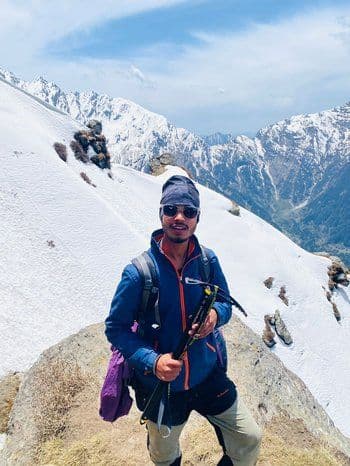
The Nepal Mount Khumbila journey is a culturally significant high-altitude trekking experience that combines spiritual heritage, natural grandeur, and the pristine beauty of the Everest Himalayas. With TrekYaari, travelers receive expert guidance on itinerary planning, Mount Khumbila trek cost, cultural significance, packing essentials, required permits, and ideal seasonal conditions. Our experience-driven approach, trained trek leaders, and strict safety standards ensure a reliable, well-organized, and deeply meaningful journey around Mount Khumbila.
Mount Khumbila stands at an elevation of approximately 5,761 meters (18,901 feet) in Nepal’s renowned Sagarmatha National Park within the Khumbu region. Revered as the sacred guardian deity (Yul Lha) of the Sherpa people, Mount Khumbila is strictly prohibited for climbing. Unlike other Himalayan peaks that attract mountaineers, Khumbila remains untouched, preserving its spiritual purity and cultural importance. Surrounded by towering Himalayan giants, the mountain dominates the skyline above Namche Bazaar and nearby Sherpa villages, creating a dramatic and sacred presence in the region.
The journey toward Mount Khumbila typically begins with a scenic flight from Kathmandu to Lukla. From Lukla, the trail passes through iconic Sherpa settlements such as Namche Bazaar, Khumjung, and Kunde. Trekkers walk through rhododendron forests, cross suspension bridges over the Dudh Koshi River, and gradually ascend through alpine meadows and traditional Himalayan landscapes. Along the way, travelers are rewarded with spectacular views of Mount Everest, Lhotse, Ama Dablam, and Thamserku, making every day on the trail visually captivating and spiritually enriching.
The Everest region holds a legendary mountaineering legacy. Since the historic ascent of Mount Everest in 1953, the Khumbu region has become the heart of Himalayan exploration. What was once a remote alpine valley is now a globally recognized trekking destination, attracting adventurers from around the world while preserving its Sherpa traditions and natural grandeur. Mount Khumbila, being sacred and unclimbed, provides a unique perspective of the Himalayas—where cultural reverence and environmental respect take precedence over summiting ambitions.
The Mount Khumbila trek requires good physical fitness due to steep ascents, rocky terrain, and high-altitude conditions. Although climbing the summit is forbidden, trekking around its base and surrounding ridgelines demands endurance and steady acclimatization. At TrekYaari, we focus on your safety and comfort by offering expert guidance on altitude awareness, acclimatization schedules, trekking preparation, and responsible travel practices. Our carefully designed itineraries, reliable logistics, experienced local guides, and seamless support ensure a safe and enriching Himalayan experience.
Are you ready to explore one of the most sacred and culturally significant mountains in the Everest Himalayas? Book your Mount Khumbila journey with TrekYaari today. We offer transparent pricing, professional support, and personalized services to make your Himalayan adventure truly memorable. For detailed information on trek distance, itinerary customization, permits, difficulty level, and more, feel free to explore our website or connect with our expert team.
Best Time to Visit Mount Khumbila
Choosing the right season is essential for a safe and rewarding Mount Khumbila trek, as weather conditions directly influence trail accessibility, mountain visibility, and overall trekking comfort.
Spring Season (March to May)
Temperatures: Spring is one of the most favorable seasons to visit the Khumbila region. At lower elevations, daytime temperatures range between 10°C and 20°C, while higher sections near viewing ridges experience temperatures between -5°C and 10°C. Nights can drop below freezing, especially at higher elevations.
Weather Conditions: Spring offers stable weather, clear skies, and blooming rhododendron forests that add vibrant colors to the landscape. Trekkers enjoy excellent visibility with breathtaking panoramic views of Everest and surrounding peaks. Due to favorable trekking conditions, spring is considered one of the best seasons for exploring the Khumbu region.
Autumn Season (September to November)
Temperatures: Autumn provides cool and crisp mountain air. Daytime temperatures range between 8°C and 18°C at mid-elevations, while higher viewpoints can experience sub-zero nights, particularly in late October and November.
Weather Conditions: Autumn is another ideal season due to minimal rainfall after the monsoon and exceptionally clear mountain views. The post-monsoon clarity enhances panoramic visibility across the Khumbu Valley, offering sharp and dramatic Himalayan scenery. However, occasional strong winds may occur at exposed ridgelines.
Attaining the Height Around Mount Khumbila
The Mount Khumbila trek is considered moderately challenging due to high altitude and continuous ascents.
Altitude Challenges - The journey ascends gradually from Lukla (2,860 meters) to higher ridges and viewpoints near Khumbila. As altitude increases, oxygen levels decrease, which may cause fatigue or mild altitude-related symptoms. Our itinerary includes proper acclimatization days in Namche Bazaar to allow the body to adjust safely and reduce the risk of Acute Mountain Sickness (AMS).
Terrain and Weather Conditions - The route includes stone staircases, rocky trails, alpine paths, forest sections, and exposed ridgelines. Weather conditions can change rapidly in high mountain zones, with wind and sudden temperature shifts possible. Trekkers must be prepared for dynamic Himalayan conditions.
Physical Endurance Requirements - Participants should be prepared for 5–7 hours of trekking daily. Cardiovascular fitness, leg strength training, and endurance hikes are highly recommended before the journey.
Remote and Basic Facilities - Accommodation during the trek consists of traditional tea houses offering basic yet comfortable facilities. While luxury services are limited, trekkers experience authentic Sherpa hospitality and a culturally immersive environment.
Which Peaks Are Visible from Mount Khumbila Region
The region around Mount Khumbila offers one of the most impressive panoramic views in the Everest region.
From elevated viewpoints near Namche Bazaar and Khumjung, trekkers can witness breathtaking scenery of Ama Dablam and Lhotse dominating the skyline. On clear days, Mount Everest appears majestically above the surrounding peaks, accompanied by Thamserku and other Himalayan giants. The sweeping panorama creates a grand amphitheater of snow-covered mountains and deep valleys, making every viewpoint unforgettable.
How to Reach Lukla
Lukla serves as the primary gateway for the Mount Khumbila journey.
By Air: Domestic flights operate from Kathmandu to Lukla, taking approximately 30–35 minutes. The flight provides stunning aerial views of the Himalayas and remains the fastest and most convenient access point to the Khumbu region.
By Road (Alternative Option): During peak seasons, travelers may drive from Kathmandu to Ramechhap and board a flight to Lukla from there, depending on air traffic regulations and seasonal operations.
Mount Khumbila Trek Difficulty Level
The Mount Khumbila trek is rated as moderate. While no technical climbing is permitted due to its sacred status, trekkers must be comfortable walking on steep stone steps, uneven rocky terrain, and high-altitude trails. Prior trekking experience above 3,500–4,000 meters is beneficial.
Safety Considerations
Proper Acclimatization: A gradual ascent and rest days significantly reduce the risk of altitude sickness.
Experienced Guides: Trekking with trained local guides ensures safe navigation and cultural understanding.
Weather Awareness: Continuous monitoring of mountain weather enhances overall safety and planning.
Travel Insurance: Comprehensive travel insurance covering high-altitude trekking and emergency evacuation is strongly recommended.
How to Prepare for Mount Khumbila Expedition
Prepare yourself for a spiritually significant and challenging Himalayan journey with TrekYaari as you get ready for the Mount Khumbila expedition. This remarkable adventure combines high-altitude trekking, cultural immersion, and breathtaking mountain landscapes in the heart of the Everest region. With proper preparation, the expedition becomes safe, meaningful, and deeply rewarding.
Understanding the Expedition Route- The journey to Mount Khumbila begins with a scenic flight from Kathmandu to Lukla. From Lukla, the trail follows the classic Everest region route through Phakding and Namche Bazaar. Unlike other climbing peaks, Khumbila is considered sacred by the Sherpa community and is traditionally not climbed to the true summit. The expedition focuses on trekking and exploring the surrounding ridgelines and viewpoints while respecting local beliefs. The route passes through dense forests, suspension bridges, alpine meadows, and high mountain landscapes, offering a blend of adventure and spirituality.
Altitude Acclimatization- Mount Khumbila rises to approximately 5,761 meters (18,901 feet). Even though the expedition does not typically involve a technical summit climb, reaching high elevations requires proper acclimatization. Rest days in Namche Bazaar are essential to help your body adjust to reduced oxygen levels. Gradual ascent, adequate hydration, and maintaining a steady pace play an important role in preventing altitude-related issues.
Physical and Mental Preparation- A good level of fitness is necessary for the Mount Khumbila expedition. Start training at least 4–6 weeks in advance, focusing on:
Cardiovascular endurance
Strength training for legs and core
Long hikes with a backpack
Mental preparedness is equally important. The trail involves steep ascents, rugged terrain, and high-altitude conditions. A positive mindset and determination greatly enhance your overall experience.
Cultural Experience and Spiritual Significance- Mount Khumbila holds deep spiritual importance for the Sherpa people and is regarded as a sacred mountain. Trekkers have the opportunity to visit monasteries, spin prayer wheels, and observe traditional Buddhist practices in villages like Namche Bazaar and Khumjung. Understanding and respecting local customs add a powerful cultural dimension to the journey, making it more than just a mountain expedition.
Panoramic Himalayan Views- Throughout the expedition, trekkers enjoy stunning views of some of the world’s highest peaks, including:
Mount Everest
Lhotse
Ama Dablam
Thamserku
Kongde Ri
The views from high ridges near Khumbila provide breathtaking Himalayan panoramas that remain unforgettable.
Best Seasons for the Expedition - The best times to undertake the Mount Khumbila expedition are:
Spring (March to May) – Pleasant temperatures, blooming rhododendrons, and clear mountain views.
Autumn (September to November) – Stable weather, crisp air, and excellent visibility after the monsoon season.
These seasons offer safe trekking conditions and stunning scenery.
Permits and Logistics- Trekkers require the Sagarmatha National Park Permit and local Khumbu region permits. Planning logistics in advance, including experienced guides and porters, ensures a smooth and well-organized expedition. Respect for local traditions and environmental guidelines is essential throughout the journey.
Essential Gear and Packing-
Essential gear for Mount Khumbila includes:
Sturdy trekking boots
Layered clothing for changing temperatures
Down jacket and warm sleeping bag
Rain protection
Trekking poles
Personal medical supplies
Proper packing ensures comfort and safety in high-altitude conditions.
With proper preparation, the right mindset, and expert guidance, the Mount Khumbila expedition becomes a deeply enriching Himalayan experience. It is not about conquering a summit but about embracing culture, respecting spiritual heritage, and connecting with the majestic landscapes of the Khumbu region.
At TrekYaari, we are committed to supporting you at every step—from planning and logistics to safety and acclimatization. Whether this is your first Himalayan adventure or a meaningful return to the mountains, Mount Khumbila offers a unique and unforgettable journey that will stay with you long after you leave the Himalayas.


