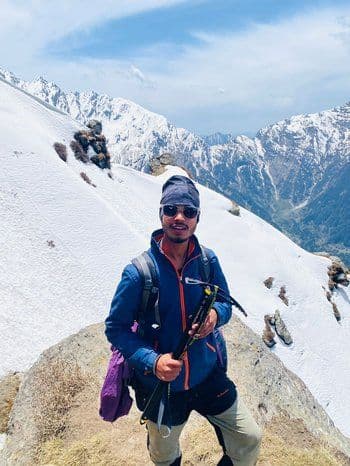
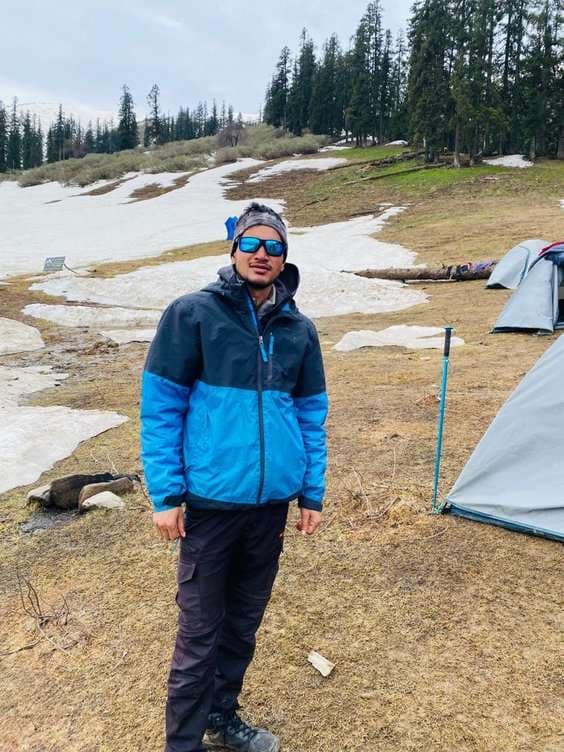
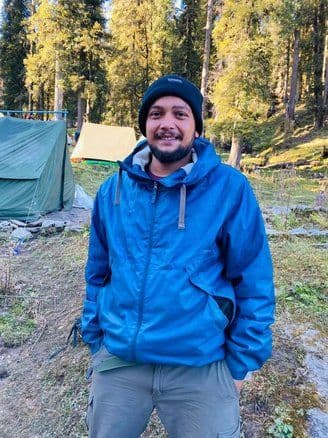
The Malangphutang Trek is a remote and adventurous Himalayan journey that combines untouched natural beauty, cultural depth, and a high-altitude mountaineering experience. With TrekYaari, trekkers receive expert guidance on itinerary planning, trek cost, difficulty level, packing essentials, and seasonal considerations. Our experience-driven approach, trained trek leaders, and strong focus on safety standards ensure a reliable, well-organized, and truly memorable expedition to Malangphutang.
The Malangphutang trek in Nepal takes trekkers to a 6,573-meter, rarely visited glaciated summit located in the Sagarmatha National Park, offering a remote and authentic Himalayan experience far from crowded trekking routes. This peak lies in the eastern Himalayas, within the Everest region, surrounded by dramatic glacial landscapes, high ridgelines, and pristine alpine terrain. Unlike commercial trekking routes, Malangphutang remains largely unexplored, making it ideal for seasoned trekkers seeking solitude and raw mountain wilderness.
Geographically, Malangphutang is positioned in a rugged section of the Khumbu region, not far from towering Himalayan giants like Mount Everest, Lhotse, and Makalu. The trek traverses diverse landscapes, ranging from dense forests and river valleys to glacial moraines and icy slopes. The summit itself is characterized by snow-covered ridges and expansive glacier systems, offering breathtaking panoramic views of some of the highest peaks on Earth.
Historically, the region around Malangphutang has remained underexplored compared to other parts of the Everest region. While nearby trekking routes gained popularity following early expeditions to Everest in the 20th century, areas like Malangphutang retained their isolation due to difficult access and challenging terrain. This has helped preserve its natural ecosystem and traditional Sherpa culture, offering trekkers a glimpse into an untouched Himalayan environment.
The journey to Malangphutang typically begins from Lukla, the gateway to the Everest region, and follows remote trails branching away from the classic Everest Base Camp route. Along the way, trekkers pass through traditional Sherpa villages, high-altitude settlements, and secluded valleys. The route offers encounters with unique Himalayan flora and fauna, including rhododendron forests, alpine meadows, and possibly sightings of wildlife such as Himalayan tahr and snow leopards.
The Malangphutang Trek requires a high level of fitness, technical preparedness, and prior trekking or mountaineering experience due to its altitude, glacier travel, and remote conditions. At TrekYaari, we emphasize your safety and success by providing expert guidance on acclimatization, altitude management, and technical support where required. Our well-planned itineraries, experienced guides, and efficient logistics ensure a safe and enriching high-altitude adventure.
Are you ready to explore one of Nepal’s hidden Himalayan gems? Book your Malangphutang Trek with TrekYaari today. We offer transparent pricing, professional support, and personalized services to make your expedition truly unforgettable. For detailed information on trek distance, total kilometers, difficulty level, and more, feel free to explore our platform or connect with our expert team.
Best Time to Visit Malangphutang Trek
Choosing the right season is essential for a safe and successful Malangphutang Trek, as weather conditions directly impact glacier travel, visibility, and overall expedition safety. Trekking during optimal months ensures stable conditions and a rewarding Himalayan experience.
Spring Season (March to June)
Temperatures: Spring is one of the most suitable seasons for the Malangphutang Trek. At lower altitudes, daytime temperatures range between 10°C and 20°C, while higher elevations near the summit experience temperatures between -5°C and 5°C during the day. Nights are significantly colder, often dropping below -10°C, requiring proper high-altitude gear and insulation.
Weather Conditions: Spring brings relatively stable weather, clearer skies, and improved visibility, making it ideal for both trekking and summit attempts. The lower trails come alive with blooming rhododendrons, while higher regions offer spectacular glacier views and snow-covered peaks. This season is preferred by experienced trekkers aiming for safer climbing windows and clearer mountain panoramas.
Autumn Season (September to December)
Temperatures: Autumn offers crisp and stable conditions, ideal for high-altitude trekking. Lower regions remain moderately cool, while temperatures at higher elevations range from -10°C to 5°C during the day. Nights can become extremely cold, especially as winter approaches, often dropping below -15°C.
Weather Conditions: Autumn is widely regarded as the best season for the Malangphutang Trek due to post-monsoon clarity and minimal precipitation. The skies are exceptionally clear, offering uninterrupted views of the surrounding Himalayan giants. The trails are dry and stable, and the fresh post-monsoon environment enhances the beauty of the entire region. Compared to spring, autumn provides a quieter and more serene trekking experience, especially in remote areas like Malangphutang.
Attaining the Height of Malangphutang Trek
The Malangphutang Trek is considered a challenging and expedition-style Himalayan adventure that demands strong physical fitness, mental resilience, and prior high-altitude trekking experience. Unlike more commercial trekking routes, this trek ventures into a remote and less-explored region of eastern Nepal, making it both physically demanding and exceptionally rewarding. While basic mountaineering knowledge is beneficial due to glacier sections, the trek remains achievable with proper preparation, guidance, and acclimatization.
The Malangphutang trek in Nepal takes trekkers to a 6,573-meter, rarely visited glaciated summit located in the Sagarmatha National Park, offering a remote Himalayan experience. As altitude increases significantly during the journey, trekkers must be well-prepared for extreme conditions and reduced oxygen levels, especially in upper alpine and glaciated zones.
Altitude Challenges - One of the primary challenges of the Malangphutang Trek is the rapid and high-altitude gain in a remote environment. The trek generally begins from Lukla at approximately 2,860 meters and gradually ascends beyond 5,000 meters before approaching the Malangphutang summit at 6,573 meters. At such elevations, oxygen levels drop drastically, increasing the risk of altitude-related illnesses. Proper acclimatization, hydration, and a well-paced itinerary are essential to ensure safety. Our trekking plans are designed with strategic acclimatization days, allowing trekkers to adapt naturally to the demanding altitude conditions.
Terrain and Weather Conditions - The Malangphutang route offers highly diverse and rugged terrain, ranging from dense pine and rhododendron forests in the lower Khumbu region to rocky ridgelines, glacial moraines, and snow-covered slopes at higher altitudes. The trail includes steep ascents, narrow mountain paths, and glacier crossings that require careful navigation. Weather conditions are unpredictable and can change rapidly, with strong winds, snowfall, and sudden temperature drops common in higher sections. The remoteness of the region further adds to the challenge, as trekkers must be prepared for limited infrastructure and harsh mountain environments.
Physical Endurance Requirements - A high level of physical fitness is essential for the Malangphutang Trek. Daily trekking durations can range from 6 to 9 hours, often across steep and uneven terrain. Trekkers should prepare with intensive cardiovascular training, strength-building exercises, and endurance workouts before attempting this expedition. Previous high-altitude trekking experience is highly recommended. With the right preparation and steady pacing, the trek becomes a deeply fulfilling and adventurous journey into one of Nepal’s least explored Himalayan regions.
Remote and Basic Facilities - Accommodation along the Malangphutang route is extremely basic and, in many sections, fully expedition-based. While initial stages near Lukla may offer tea house facilities, higher regions require camping arrangements due to the lack of permanent settlements. Trekkers must rely on organized logistics, including tents, food supplies, and support staff. Despite limited amenities, the experience offers unmatched solitude, pristine natural surroundings, and an authentic connection with the Himalayan wilderness rarely found on popular trekking routes.
Which Peaks Are Visible on the Trail of Malangphutang
The Malangphutang Trek offers extraordinary and less-crowded views of some of the highest and most iconic peaks in the Himalayas. As the trail moves through remote valleys and high-altitude ridges within the Everest region, trekkers are rewarded with dramatic and ever-changing mountain panoramas.
From the lower Khumbu region and villages near Lukla, trekkers can witness distant views of Mount Everest and Lhotse, rising above forested hills and deep river valleys. As the trek progresses into higher and more remote terrain, peaks like Makalu begin to dominate the eastern skyline, showcasing massive snow-covered faces and rugged ridgelines shaped by glacial activity over thousands of years.
As trekkers approach alpine zones and glaciated terrain, the landscape becomes more dramatic and isolated. Towering Himalayas peaks, icefalls, and expansive glaciers surround the route, offering a raw and untouched mountain experience. The proximity to lesser-known Himalayan summits and ridges adds a unique exploratory feel to the journey, unlike the more frequented trekking routes.
Upon reaching higher camps and viewpoints near Malangphutang, trekkers are rewarded with breathtaking panoramic views of the eastern Himalayas. The region’s geography, shaped by ancient tectonic activity and glacial erosion, creates a striking amphitheater of peaks, ridges, and ice formations. Historically, this region has remained outside the mainstream trekking circuit, preserving its natural and cultural authenticity while offering a rare opportunity to explore a truly untouched Himalayan frontier.
How to Reach Lukla
Lukla, a small mountain town in eastern Nepal, serves as the primary gateway for the Malangphutang Trek. Situated in the Khumbu region, Lukla is the starting point for many expeditions heading into the Everest region and remote Himalayan routes. Due to its mountainous location, Lukla is accessible mainly by air, with limited overland options involving multiple travel stages.
Traveling to Lukla
By Air
Domestic Flights: Lukla is served by Tenzing-Hillary Airport, one of the most famous high-altitude airports in the world. Regular flights operate from Kathmandu to Lukla, with a flight duration of approximately 30–40 minutes. On clear days, the journey offers stunning aerial views of the Himalayas, including glimpses of Mount Everest and surrounding peaks. This is the fastest and most convenient way to reach the starting point of the Malangphutang Trek.
Note: Most international travelers first arrive in Kathmandu and then take a domestic flight to Lukla. Flights are highly weather-dependent and may experience delays or cancellations, so flexibility in travel plans is important.
By Road (Alternative Route)
From Kathmandu: While there is no direct road access to Lukla, trekkers can travel by road to Phaplu or Salleri (approximately 8–10 hours from Kathmandu) and then begin a multi-day trek to reach Lukla. This route offers a more gradual acclimatization process and a deeper cultural experience through traditional Sherpa villages and remote Himalayan landscapes.
From India: Travelers from India can enter Nepal via border crossings such as Sunauli–Bhairahawa or Raxaul–Birgunj and continue onward to Kathmandu by road or air. From Kathmandu, they can either take a flight to Lukla or travel by road to lower Khumbu entry points like Salleri before trekking onward.
Malangphutang Trek Difficulty Level
The Malangphutang Trek is considered a challenging and expedition-level trek, suitable for experienced trekkers and adventure seekers. Due to its high altitude, remote terrain, and glacier sections, it is significantly more demanding than popular treks in Nepal. Proper preparation, technical awareness, and physical endurance are essential for a safe and successful journey.
Proper Gear and Clothing - Carrying high-quality trekking and mountaineering gear is crucial for safety and comfort on the Malangphutang route. Weather conditions vary drastically, from moderate temperatures in lower valleys to extreme cold in glaciated regions. Layered clothing, insulated jackets, waterproof outerwear, sturdy boots, gloves, and technical gear such as crampons (if required) are essential for higher elevations.
Hydration and Nutrition - Maintaining proper hydration is critical at high altitudes, where dehydration can increase the risk of altitude sickness. Trekkers should consume adequate fluids and eat high-energy meals rich in carbohydrates and proteins to sustain energy levels during long and demanding trekking days.
Weather Awareness and Itinerary Flexibility - Weather conditions in the Sagarmatha National Park region are highly unpredictable. Sudden snowfall, strong winds, and temperature drops are common, especially at higher altitudes. Trekkers must stay informed about weather forecasts and remain flexible with their itinerary to accommodate delays or route changes.
Emergency Preparedness - Due to the remoteness of the Malangphutang region, emergency preparedness is extremely important. Mobile connectivity is limited or non-existent in higher areas. Trekkers should carry essential medical supplies, satellite communication devices if possible, and have a clear evacuation plan. Guided expeditions with experienced teams significantly enhance safety.
Travel Insurance - Comprehensive travel insurance is mandatory for the Malangphutang Trek. The policy should cover high-altitude trekking above 6,000 meters, emergency medical treatment, and helicopter evacuation in case of emergencies.
Physical Fitness and Mental Readiness - A high level of physical fitness is essential for this demanding trek. Trekkers should engage in rigorous training, including cardiovascular workouts, strength training, and endurance exercises well in advance. Mental resilience is equally important, as long trekking days, harsh weather, and remote conditions can be physically and mentally taxing.
Acclimatization and Pace - Given the extreme altitude of Malangphutang, proper acclimatization is critical. A slow and steady pace, along with scheduled acclimatization days, helps the body adjust to decreasing oxygen levels. Trekkers should listen to their bodies, avoid rushing, and prioritize safety over speed while progressing through this remote Himalayan expedition.
Factors Related to Safety in Malangphutang Trek
Safety is a critical aspect of the Malangphutang Trek, as the journey involves extreme altitude gain, glaciated terrain, unpredictable weather, and highly remote Himalayan conditions. Unlike more commercial trekking routes, this expedition requires careful planning, technical awareness, and strong physical and mental preparedness to ensure a safe and successful experience.
The Malangphutang trek in Nepal takes trekkers to a 6,573-meter, rarely visited glaciated summit located in the Sagarmatha National Park, offering a remote Himalayan experience. Due to its isolated geography and limited infrastructure, safety considerations become even more important throughout the journey.
Proper Acclimatization - With the trek reaching extreme altitudes above 6,000 meters, proper acclimatization is absolutely essential. A gradual ascent with strategically planned rest days allows the body to adapt to decreasing oxygen levels. Trekkers should remain alert to symptoms such as headaches, nausea, dizziness, or fatigue and immediately inform guides if any discomfort occurs to prevent serious altitude-related conditions.
Experienced Guides and Porters - Trekking with highly experienced guides and support teams is crucial for safety on the Malangphutang route. Their deep knowledge of glacier travel, weather patterns, and remote terrain navigation plays a vital role, especially in technical sections involving snowfields and ice crossings. Their expertise ensures proper decision-making during challenging situations.
Physical Preparation - Pre-expedition fitness preparation significantly reduces the risk of injuries and exhaustion. Intensive cardiovascular training, strength-building exercises, and endurance workouts are essential to prepare for long trekking hours, steep ascents, and high-altitude conditions that define the Malangphutang Trek.
Weather Awareness and Route Safety - Weather conditions in the Sagarmatha National Park region can change rapidly, with sudden snowfall, high winds, and temperature drops common at higher elevations. Staying updated with forecasts and maintaining flexibility in the itinerary is essential. Trekkers must follow safe and established routes, especially in glaciated areas, to avoid risks such as crevasses or avalanches.
Proper Gear and Equipment - Using specialized trekking and mountaineering gear is essential for safety and comfort. High-quality boots, layered clothing, insulated jackets, gloves, helmets (if required), and glacier equipment such as crampons and ropes are necessary for navigating snow and ice sections effectively.
Hydration and Nutrition - Maintaining proper hydration and nutrition is critical at high altitudes. Drinking sufficient water helps reduce the risk of altitude sickness, while consuming energy-rich meals supports stamina and recovery during physically demanding days. Alcohol and smoking should be strictly avoided.
Emergency Preparedness and Communication - Due to the remoteness of the Malangphutang region, emergency preparedness is vital. Communication networks are extremely limited, especially in higher sections. Trekkers should carry satellite communication devices if possible, along with essential medical supplies. Organized expeditions ensure proper evacuation planning and emergency response readiness.
Travel Insurance - Comprehensive travel insurance is mandatory for the Malangphutang Trek. The policy must cover high-altitude trekking above 6,000 meters, medical emergencies, and helicopter evacuation, ensuring financial protection in case of unforeseen situations.
How to Prepare for Malangphutang Trek
Prepare yourself for a truly remote and high-altitude Himalayan expedition with TrekYaari as you get ready for the Malangphutang Trek. This journey combines extreme adventure, untouched natural beauty, and deep cultural immersion in one of Nepal’s least explored regions. With proper preparation, the trek becomes safer, more structured, and deeply rewarding.
Understanding the Trek Route - The trek usually begins from Lukla and gradually moves away from the popular Everest Base Camp trail into more remote valleys and glaciated regions of the Khumbu. The route passes through traditional Sherpa settlements, alpine forests, and rugged mountain terrain before reaching high camps near Malangphutang. The journey showcases diverse geography shaped by ancient glacial movements and tectonic forces, creating dramatic ridgelines, valleys, and ice formations.
Altitude Acclimatization - Given the extreme elevation of 6,573 meters, acclimatization is one of the most important aspects of preparation. A slow ascent, proper rest, hydration, and awareness of altitude symptoms help the body adjust effectively. Ignoring acclimatization can lead to serious health risks, making it essential to prioritize gradual progress throughout the trek.
Physical and Mental Preparation - The Malangphutang Trek requires excellent physical fitness and strong mental endurance. Training should begin at least 6–8 weeks in advance, focusing on cardio, strength, and stamina. Mental readiness is equally important, as trekkers must adapt to long, demanding days, isolation, and harsh environmental conditions.
Cultural Experience and Local Interaction - The Khumbu region is home to the resilient Sherpa community, known for their deep-rooted Himalayan traditions and mountaineering heritage. Interacting with locals, experiencing their lifestyle, and understanding their spiritual connection to the mountains adds a meaningful cultural dimension to the expedition.
Panoramic Himalayan Views - Throughout the trek, trekkers are rewarded with breathtaking views of iconic peaks such as Mount Everest, Lhotse, and Makalu. The scenery evolves from forested valleys to vast glaciers and snow-covered ridges, offering awe-inspiring landscapes at every stage.
Reaching Malangphutang Summit Region - Standing near the Malangphutang summit region, surrounded by towering Himalayan giants and expansive glaciers, is the ultimate highlight of the trek. The remote setting, combined with a 360-degree panorama of peaks and icefields, creates a profound sense of achievement and exploration rarely experienced on mainstream trekking routes.
Best Seasons to Trek - The best seasons for the Malangphutang Trek are spring (March to June) and autumn (September to November). These periods offer relatively stable weather, clearer skies, and safer conditions for high-altitude trekking and glacier travel.
Permits and Trek Logistics - Trekkers require permits to enter the Sagarmatha National Park, along with other necessary documentation depending on the route. Due to the remote nature of the trek, proper logistical planning, including guides, porters, camping equipment, and supplies, is essential for a smooth expedition.
Essential Gear and Packing - Essential gear includes high-quality trekking boots, insulated clothing, sleeping bags suitable for extreme cold, trekking poles, technical climbing equipment if required, and personal medical supplies. Proper packing ensures readiness for rapidly changing weather and challenging terrain conditions.
With proper preparation, expert guidance, and a determined mindset, the Malangphutang Trek transforms from a demanding high-altitude expedition into a once-in-a-lifetime Himalayan experience. It is not just a trek—it is a journey into one of the most untouched and historically unexplored regions of Nepal. The rugged geography, shaped by ancient glacial systems and tectonic forces, combined with the preserved Sherpa culture, creates an experience that is both adventurous and deeply meaningful.
At TrekYaari, we are committed to supporting you at every stage of your Malangphutang journey—from detailed planning and safety protocols to acclimatization and expert leadership. Our goal is to ensure your expedition is safe, well-organized, and truly unforgettable. Whether you are an experienced trekker or an aspiring mountaineer, the Malangphutang Trek offers an extraordinary adventure that will stay with you long after you leave the Himalayas.


