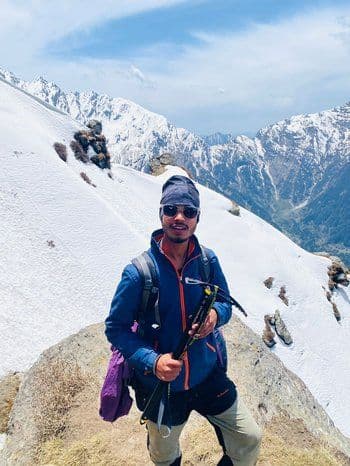
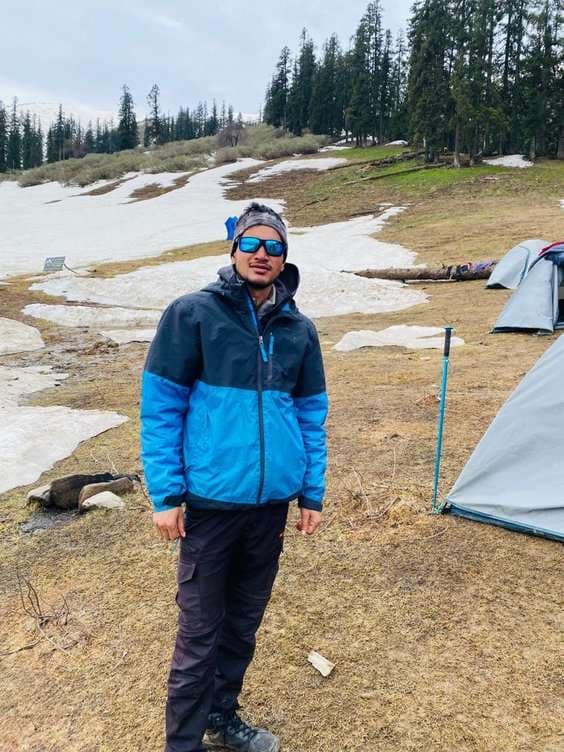


The Kubi Gangri Expedition is a remarkable Himalayan mountaineering adventure that combines remote landscapes, high-altitude challenges, and the excitement of technical climbing. With TrekYaari, climbers receive expert guidance on expedition planning, Kubi Gangri climbing cost, difficulty level, gear preparation, and seasonal conditions. Our experienced mountaineering team, professional guides, and strong focus on safety standards ensure a well-organized and memorable expedition.
Kubi Gangri, also known as Kaqur Kangri, lies in the Kanti Himal range on the border between Nepal and Tibet (China), stands at an elevation of 6,859 meters (22,503 feet) above sea level. The mountain lies on the international border between Nepal and Tibet (China) and forms part of the remote Himalayan ranges north of the Langtang region. Surrounded by glaciers, rugged ridgelines, and high-altitude alpine terrain, the mountain presents both dramatic beauty and technical climbing challenges.
The expedition generally begins in Kathmandu, followed by travel toward the Langtang region and the trekking route leading to the expedition base camp. The route passes through remote Himalayan valleys, traditional mountain villages, and glacial landscapes before reaching the expedition base camp. From here, climbers establish higher camps and gradually ascend the mountain while following a structured acclimatization schedule.
The Kubi Gangri Expedition is suitable for experienced climbers who have previous high-altitude trekking or mountaineering experience. Climbers must be comfortable with glacier travel, rope techniques, and high-altitude conditions. Proper acclimatization, experienced leadership, and careful planning are essential for a successful summit attempt.
At TrekYaari, we prioritize climber safety and expedition efficiency by providing experienced Sherpa guides, technical climbing support, well-planned logistics, and high-quality equipment management. Our team ensures that climbers are well prepared for the physical and environmental challenges of high-altitude mountaineering.
Are you ready to take on the challenge of climbing a remote Himalayan peak? Join the Kubi Gangri Expedition with TrekYaari and experience the thrill of high-altitude adventure in one of the most untouched regions of the Himalayas.
Best Time for Kubi Gangri Expedition
Spring Season (April to May)
Temperatures: During spring, temperatures at base camp generally range between -5°C and 10°C, while higher camps experience much colder conditions, often dropping well below freezing at night.
Weather Conditions: Spring provides relatively stable weather conditions, making it one of the best seasons for high-altitude expeditions. Clear skies and lower wind speeds improve climbing conditions and summit success rates.
Autumn Season (September to October)
Temperatures: Autumn temperatures at base camp usually range between -10°C and 8°C, while higher altitudes remain extremely cold, particularly during nighttime.
Weather Conditions: Post-monsoon conditions bring clear skies, dry weather, and excellent mountain visibility, making autumn another ideal season for the Kubi Gangri Expedition.
Attaining the Height of Kubi Gangri Expedition
The Kubi Gangri Expedition is a challenging high-altitude mountaineering adventure that requires strong physical fitness, mountaineering skills, and prior high-altitude experience. Unlike trekking routes, climbing Kubi Gangri involves glacier travel, technical climbing sections, and the use of mountaineering equipment.
Altitude Challenges – One of the biggest challenges of the Kubi Gangri Expedition is the extreme altitude. The mountain stands at approximately 6,859 meters, where oxygen levels are significantly lower. Climbers must follow a carefully planned acclimatization schedule that includes establishing base camp and higher camps before attempting the summit.
Terrain and Weather Conditions – The Kubi Gangri climbing route involves rugged mountain terrain, including glaciers, ice slopes, rocky ridges, and high-altitude snowfields. Weather conditions in this region can be unpredictable, with strong winds, heavy snowfall, and sudden temperature drops common at higher elevations.
Physical Endurance Requirements – The Kubi Gangri Expedition requires excellent physical endurance and mountaineering preparation. Climbers should be comfortable with long climbing days, technical terrain, and high-altitude conditions. Training in endurance, strength, and climbing techniques is essential before attempting this expedition.
Remote and Expedition Facilities – Due to the remote location of Kubi Gangri, accommodation during the expedition mainly consists of tented camps set up by the expedition team. Base camp serves as the main support area where climbers rest, acclimatize, and prepare for summit attempts. Higher camps are established along the climbing route to support the ascent.
Which Peaks Are Visible During the Kubi Gangri Expedition
The Kubi Gangri Expedition offers dramatic Himalayan scenery with views of remote mountain ranges along the Nepal–Tibet border.
From the expedition base camp and higher camps, climbers can enjoy views of several surrounding Himalayan peaks and glaciated landscapes. The region features rugged mountains, vast glaciers, and dramatic high-altitude ridges.
As climbers ascend toward higher camps, the panorama expands to include views of Langtang Himal, Ganesh Himal, and other remote Himalayan peaks in northern Nepal and southern Tibet.
From the upper slopes of Kubi Gangri, the surrounding landscape appears as a vast sea of snow-covered mountains and glaciers, creating a powerful and unforgettable high-altitude Himalayan experience.
How to Reach Kathmandu for Kubi Gangri Expedition
For the Kubi Gangri Expedition, Kathmandu serves as the primary gateway. The capital city of Nepal is considered the main preparation center for mountaineering expeditions. Climbers usually complete the permit process, equipment checks, and expedition briefings here before heading toward the mountain region.
Traveling to Kathmandu
By Air
International Flights: Kathmandu is served by Tribhuvan International Airport (IATA: KTM), the main international airport of Nepal. Major airlines such as Nepal Airlines, Qatar Airways, and Turkish Airlines operate flights to Kathmandu from many international cities. After arriving, climbers proceed toward the expedition region.
Domestic Flights: From Kathmandu, regular domestic flights operate to several major cities in Nepal, including Pokhara, Biratnagar, Bhairahawa, and Nepalgunj.
Overland Travel
From India: Nepal shares an open border with India, making it possible to reach Kathmandu by road as well. Common border crossing points include Sunauli – Bhairahawa and Raxaul – Birgunj. From these locations, buses, tourist coaches, and private taxis are available to travel to Kathmandu.
Kubi Gangri Expedition Difficulty Level
The Kubi Gangri Expedition is considered a challenging high-altitude mountaineering expedition that requires good physical fitness, previous trekking or climbing experience, and proper preparation. Unlike trekking routes, this expedition involves glacier travel, steep snow slopes, and technical climbing sections. Climbers must be prepared for extreme weather conditions, high altitude, and demanding mountain terrain.
Proper Gear and Climbing Equipment – Carrying professional mountaineering gear is essential for safety during the expedition. Equipment such as mountaineering boots, crampons, ice axes, climbing harnesses, ropes, helmets, and insulated clothing are necessary for glacier travel and high-altitude climbing.
Hydration and Nutrition – Maintaining hydration and consuming high-energy meals is crucial during the expedition. Climbers need sufficient calories and fluids to maintain strength and endurance in extreme high-altitude conditions.
Weather Awareness and Expedition Planning – Weather conditions in high Himalayan regions can change rapidly. Snowstorms, strong winds, and temperature drops are common. Climbers must remain flexible with their summit attempts and follow the guidance of experienced expedition leaders.
Emergency Preparedness – Due to the remote location of the Kubi Gangri region, emergency preparedness is critical. Expedition teams must carry medical kits, communication devices, and emergency evacuation plans.
Travel Insurance – Comprehensive travel insurance covering high-altitude mountaineering and helicopter evacuation is mandatory for such expeditions.
Physical Fitness and Technical Skills – Climbers should have strong endurance, cardiovascular fitness, and basic mountaineering skills. Training in rope techniques, ice climbing, and glacier travel is recommended before attempting the expedition.
Acclimatization and High-Altitude Management – The expedition involves gradual ascent and multiple acclimatization rotations to help climbers adapt to high altitude. Proper acclimatization reduces the risk of altitude sickness and improves summit success rates.
Factors Related to Safety in Kubi Gangri Expedition
Safety is a major priority during the Kubi Gangri Expedition because the climb takes place in a remote Himalayan environment with technical climbing sections and high-altitude exposure.
Proper Acclimatization – Gradual acclimatization is essential for adapting to high altitude. Climbers must follow the planned itinerary and allow enough time for the body to adjust.
Experienced Expedition Guides – Professional guides and experienced Sherpa climbers play a crucial role in ensuring safety. They assist with route fixing, rope management, and navigation on glaciers and steep slopes.
Technical Climbing Skills – Climbers must be familiar with mountaineering techniques such as using crampons, ice axes, fixed ropes, and harness systems.
Weather Monitoring and Route Safety – Continuous monitoring of weather conditions is essential for safe climbing decisions. Summit attempts are made only when weather conditions are stable.
Proper Equipment and Protective Gear – High-quality mountaineering gear is essential to withstand freezing temperatures, snow conditions, and glacier travel.
Hydration and Nutrition – Climbers must maintain proper hydration and energy intake to prevent exhaustion during long climbing days.
Emergency Preparedness and Communication – Expedition teams carry communication devices such as satellite phones and radios to coordinate with base camp and emergency rescue services if required.
Travel Insurance – Insurance covering high-altitude mountaineering and rescue operations is strongly recommended.
How to Prepare for Kubi Gangri Expedition
Preparing for the Kubi Gangri Expedition requires careful planning, physical training, and mountaineering experience. This expedition offers climbers an opportunity to explore remote Himalayan terrain and experience the thrill of technical climbing.
Understanding the Expedition Route – The expedition generally begins from Kathmandu and moves towards the remote climbing region through trekking routes and base camp establishment before summit attempts.
Altitude Acclimatization – Proper acclimatization schedules including rotation climbs between camps help climbers adapt to high altitude conditions.
Physical and Technical Preparation – Climbers should train for endurance, strength, and mountaineering techniques such as rope handling, ice climbing, and glacier travel.
Cultural Experience and Remote Exploration – The journey passes through traditional Himalayan communities and remote valleys, providing cultural interaction along with adventure.
Panoramic Himalayan Views – The expedition offers breathtaking views of surrounding Himalayan peaks, glaciers, and dramatic alpine landscapes.
Summit Attempt – The summit push requires careful planning, teamwork, and favorable weather conditions. Reaching the summit of Kubi Gangri provides an incredible sense of achievement.
Best Seasons to Climb – The ideal seasons for the expedition are spring and autumn when weather conditions are relatively stable.
Permits and Expedition Logistics – Climbers require mountaineering permits, national park permissions, and logistical arrangements including base camp support, guides, and equipment.
Essential Gear and Packing – Climbers must carry complete mountaineering equipment, insulated clothing, camping gear, and medical supplies necessary for high-altitude climbing.
The Kubi Gangri Expedition is a challenging yet rewarding Himalayan adventure that combines technical climbing, breathtaking landscapes, and the spirit of exploration. With proper training, preparation, and experienced guidance, climbers can safely experience one of the most exciting high-altitude expeditions in the Himalayas.
At TrekYaari, we are committed to supporting you throughout every stage of your Kubi Gangri Expedition—from detailed expedition planning and reliable logistics to safety management, acclimatization strategy, and guidance from experienced climbing professionals. Our goal is to ensure that your expedition is well-coordinated, secure, and rewarding. Whether you are an experienced climber seeking a new high-altitude challenge or expanding your mountaineering journey in the Himalayas, the Kubi Gangri Expedition promises a powerful adventure filled with technical climbing, dramatic alpine landscapes, and a summit experience that will remain unforgettable long after the expedition concludes.