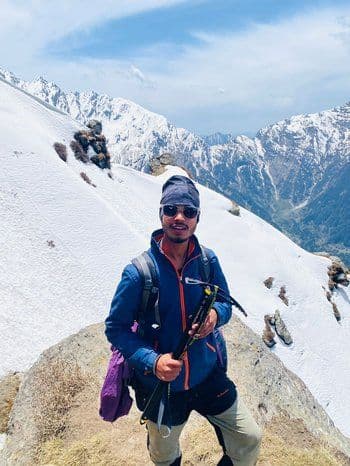


The Nepal Khumbutse Peak Climbing expedition is a thrilling high-altitude adventure that combines trekking through the famous Everest region with technical mountaineering challenges. With TrekYaari, climbers receive complete guidance on itinerary planning, Khumbutse Peak climbing cost, expedition difficulty, gear preparation, and the best seasons for climbing. Our experienced expedition leaders, professional Sherpa guides, and strong commitment to safety ensure a well-organized and unforgettable Himalayan climbing experience.
Khumbutse Peak rises to an impressive altitude of approximately 6,636 meters (21,772 feet) and is located in Nepal’s world-renowned Everest region within Sagarmatha National Park. The mountain lies close to the Tibet border and stands near some of the most iconic peaks of the Himalayas. From its slopes, climbers can witness breathtaking views of Mount Everest, Lhotse, Nuptse, Pumori, and Lingtren, creating one of the most dramatic high-altitude panoramas in the world.
The journey to Khumbutse Peak typically begins with a scenic flight from Kathmandu to Lukla, the gateway to the Everest region of Nepal. From Lukla, the trekking route follows the famous Everest Base Camp trail, passing through traditional Sherpa villages such as Phakding, Namche Bazaar, Tengboche, Dingboche, and Gorak Shep. The trail winds through beautiful pine forests, suspension bridges across glacial rivers, and high alpine valleys before reaching the Khumbutse base camp area.
The Everest region holds an extraordinary mountaineering legacy and is home to the world’s highest peaks. For decades, climbers and trekkers from around the globe have visited this region to experience its dramatic landscapes, rich Sherpa culture, and historic mountaineering routes. Peaks like Everest, Lhotse, and Nuptse dominate the skyline, while surrounding mountains such as Khumbutse offer challenging and rewarding climbing opportunities for experienced adventurers.
Climbing Khumbutse Peak requires strong physical fitness, previous high-altitude trekking experience, and familiarity with basic mountaineering techniques. The climb involves glacier travel, snow slopes, and steep sections that require the use of ropes, crampons, and ice axes. At TrekYaari, we focus on your safety and success by offering professional climbing support, proper acclimatization schedules, reliable logistics, and experienced Sherpa guidance throughout the expedition.
Are you ready to experience the legendary landscapes of the Everest Himalayas in Nepal? Book your Khumbutse Peak Climbing expedition with TrekYaari today. We provide transparent pricing, expert support, and carefully planned expeditions to ensure that your journey to Khumbutse Peak becomes a safe, inspiring, and unforgettable Himalayan adventure. For more details on expedition routes, climbing days, difficulty level, and preparation guidelines, feel free to explore our website or connect with our experienced team.
Best Time to Visit Khumbutse Peak Climbing
Selecting the right season is crucial for a successful Khumbutse Peak Climbing expedition in Nepal, as high-altitude weather, snow conditions, and wind patterns in the Everest region can significantly impact climbing safety. Choosing the optimal climbing season ensures safer routes, clearer skies, and an overall more enjoyable mountaineering experience in the Himalayas.
Spring Season (April to May)
Temperatures - Spring is considered the most popular season for Khumbutse Peak Climbing in Nepal’s Everest region. In lower trekking areas such as Lukla and Namche Bazaar, daytime temperatures range between 10°C and 18°C, while at higher elevations and base camps temperatures generally remain between -6°C and 4°C during the day. Night temperatures at higher camps can fall to -12°C or lower, requiring proper high-altitude clothing and expedition equipment.
Weather Conditions - Spring provides relatively stable weather windows and excellent climbing conditions across the Everest region. The skies are generally clear, offering magnificent views of iconic peaks such as Mount Everest, Lhotse, Nuptse, Pumori, and Lingtren. The trekking route toward the Khumbutse climbing area passes through beautiful alpine valleys, suspension bridges, and traditional Sherpa villages, making the expedition both culturally and visually rewarding. Spring also coincides with the Everest climbing season, bringing vibrant mountaineering activity to the region.
Autumn Season (September to November)
Temperatures - Autumn offers cool and stable conditions for Khumbutse Peak Climbing. Lower trekking regions experience daytime temperatures between 8°C and 16°C, while higher elevations remain colder with daytime temperatures around -8°C to 3°C. Night temperatures at high camps can drop below -15°C, making thermal gear essential for climbers.
Weather Conditions - After the summer monsoon, the Everest region experiences some of the clearest skies of the year. The post-monsoon freshness enhances visibility, providing spectacular panoramic views of the surrounding Himalayan peaks and glaciers. Trails remain dry and stable, and the landscapes appear exceptionally vibrant. Autumn is therefore another excellent season for climbers seeking stable weather, incredible mountain views, and relatively peaceful climbing routes in Nepal’s Everest region.
Attaining the Height of Khumbutse Peak Climbing
The Khumbutse Peak Climbing expedition in Nepal is a demanding high-altitude mountaineering adventure located in the Everest region near the Tibetan border. Khumbutse stands prominently above the Khumbu Glacier, offering climbers an incredible opportunity to experience technical Himalayan climbing while enjoying dramatic views of Mount Everest and surrounding peaks. Due to its altitude and rugged terrain, this expedition requires strong physical conditioning, mountaineering skills, and careful planning.
Altitude Challenges - One of the biggest challenges in Khumbutse Peak Climbing is coping with extreme altitude. The expedition typically begins with a trek through the Khumbu Valley, starting from Lukla and gradually ascending through famous Sherpa villages such as Namche Bazaar and Gorakshep before reaching the base camp area. As climbers ascend higher toward advanced camps and the summit ridge, oxygen levels become significantly lower. Proper acclimatization schedules, rest days, and a gradual ascent are crucial for adapting to the high-altitude conditions.
Terrain and Weather Conditions - The climbing route of Khumbutse Peak involves diverse terrain including rocky moraines, glacial sections, ice slopes, and steep snow-covered ridges. The upper sections may require the use of mountaineering equipment such as crampons, ropes, and ice axes. Weather conditions in the Everest region are often unpredictable, with sudden snowstorms, strong winds, and rapid temperature drops possible at higher altitudes. These factors make careful planning and experienced guidance essential for climbers attempting the summit.
Physical Endurance Requirements - Climbing Khumbutse Peak demands excellent physical endurance and stamina. During the trekking phase, climbers usually walk 5 to 7 hours per day, gradually gaining altitude. Summit attempts require long climbing hours in cold and challenging conditions. Regular training that includes cardio workouts, high-altitude trekking practice, and strength exercises helps climbers prepare their bodies for the intense physical demands of the expedition.
Remote and Expedition Facilities - The Khumbutse Peak Climbing expedition involves both tea house trekking and high-altitude expedition-style camping. Lower trekking routes in the Everest region offer well-established lodges and tea houses for accommodation. However, once climbers move closer to the base camp and higher camps, expedition teams rely on tents, portable kitchens, and specialized mountaineering equipment. Despite the remote conditions, the journey offers breathtaking views of the Everest massif and a truly immersive Himalayan climbing experience in Nepal.
Which Peaks Are Visible on the Trail of Khumbutse Peak
The Khumbutse Peak Climbing route in Nepal offers some of the most dramatic mountain views in the Everest region of the Himalayas. Located near the Tibetan border above the Khumbu Glacier, Khumbutse stands among some of the world’s most famous mountains. The trekking approach toward Khumbutse takes climbers through the legendary Khumbu Valley, providing extraordinary views of towering Himalayan peaks throughout the journey.
From the early stages of the trek, especially near Namche Bazaar, climbers are greeted with spectacular views of Mount Everest (8,848.86 m), the highest mountain in the world. Along with Everest, the sharp pyramid of Ama Dablam (6,812 m) and the massive ridges of Thamserku (6,608 m) dominate the skyline. These peaks create a stunning introduction to the dramatic landscapes of the Everest region.
As the trail continues through higher locations such as Lobuche and Gorakshep, the scenery becomes more rugged and glacial. The towering north face of Pumori (7,161 m) appears strikingly close, while the rugged ridges of Lingtren (6,749 m) and Khumbutse (6,636 m) rise above the Khumbu Glacier. The terrain here is dominated by rocky moraines, ice formations, and dramatic high-altitude landscapes that reflect the raw power of the Himalayas.
Upon reaching the base camp areas near Khumbutse Peak, climbers are surrounded by a breathtaking panorama of the Everest massif. The towering presence of Mount Everest, Nuptse (7,861 m), Lhotse (8,516 m), and Pumori creates one of the most iconic mountain views in the world. The close proximity of these legendary peaks makes the Khumbutse climbing expedition an unforgettable Himalayan experience in Nepal, offering climbers a rare opportunity to witness the heart of the Everest region from a unique perspective.
How to Reach Khumbutse Peak
Reaching Khumbutse Peak in Nepal requires traveling to the famous Everest (Khumbu) region, one of the most iconic mountaineering areas in the world. Khumbutse Peak lies close to the Tibetan border, above the Khumbu Glacier near Everest Base Camp. The journey begins in Kathmandu and continues with a flight to Lukla, followed by a multi-day trek through the Khumbu Valley.
Traveling to Lukla (Gateway to the Everest Region)
By Air
Domestic Flights - The most common way to reach the Everest region is by taking a domestic flight from Kathmandu to Tenzing–Hillary Airport in Lukla. The flight duration is around 35 minutes and offers spectacular aerial views of the Himalayan range, deep valleys, and snow-covered peaks. Lukla Airport is considered one of the most thrilling mountain airstrips in the world and serves as the starting point for treks toward Everest Base Camp and Khumbutse Peak.
Note: During peak trekking seasons, some Lukla flights may operate from Ramechhap Airport, which requires a 4–5 hour drive from Kathmandu before boarding the mountain flight.
By Trekking Route
From Lukla - After reaching Lukla, climbers begin their trek through the Khumbu Valley. The route passes through famous Sherpa settlements such as Phakding, Namche Bazaar, Tengboche, Dingboche, and Lobuche. This trekking journey not only helps with proper acclimatization but also offers incredible views of Mount Everest and surrounding peaks.
As climbers approach Gorakshep and Everest Base Camp, the trail moves into rugged glacial terrain. From here, expeditions continue toward the Khumbutse Base Camp, located near the massive Khumbu Glacier and surrounded by some of the most famous peaks in the Everest region.
From India - Travelers from India can easily reach Kathmandu by flight or via land border crossings such as Sunauli, Raxaul, or Kakarbhitta. From Kathmandu, climbers take the domestic flight to Lukla, which marks the beginning of the trekking journey toward Khumbutse Peak in the Everest region of Nepal.
The entire approach journey combines scenic flights, cultural trekking routes, and high-altitude Himalayan landscapes, making the expedition to Khumbutse Peak an unforgettable adventure.
Khumbutse Peak Difficulty Level
The Khumbutse Peak climb in Nepal is considered a challenging high-altitude expedition located in the famous Everest (Khumbu) region of the Himalayas. Situated close to the Tibetan border and above the Khumbu Glacier, Khumbutse Peak requires strong physical fitness, previous mountaineering experience, and familiarity with technical climbing equipment. The climb involves steep snow slopes, rocky ridges, and glacier travel, making it suitable for experienced climbers seeking a serious Himalayan challenge.
Proper Gear and Clothing - Mountaineering gear plays a vital role in ensuring safety while attempting Khumbutse Peak. Climbers must carry specialized equipment such as mountaineering boots, crampons, ice axes, harnesses, ropes, helmets, and insulated clothing suitable for extreme cold conditions. Layered clothing helps climbers adapt to changing temperatures, which can drop significantly at higher elevations in the Everest region.
Hydration and Nutrition - Maintaining proper hydration and nutrition is crucial during high-altitude climbing in the Khumbu region. As altitude increases, the body requires more fluids and energy to function efficiently. Drinking enough water and consuming high-energy meals such as carbohydrates, proteins, and warm soups help climbers maintain stamina and recover from demanding climbing days.
Weather Awareness and Itinerary Flexibility - Weather conditions around Khumbutse Peak can be unpredictable. High winds, snowfall, and sudden storms are common in the Everest region, especially near the Khumbu Glacier. Climbers must closely monitor weather forecasts and remain flexible with summit plans. Experienced guides carefully assess weather conditions before allowing summit attempts.
Emergency Preparedness - Due to the remote location of Khumbutse Peak, emergency preparedness is extremely important. Communication systems, satellite phones, and experienced support teams are often used during expeditions. Carrying essential medical supplies, altitude medication, and emergency rescue equipment adds an important layer of safety during the climb.
Travel Insurance - Climbers attempting Khumbutse Peak should have comprehensive travel insurance that covers high-altitude mountaineering in Nepal, including emergency helicopter evacuation and medical treatment. This is essential because rescue operations in the Everest region can be expensive without proper insurance coverage.
Physical Fitness and Mental Readiness - Climbing Khumbutse Peak demands excellent physical conditioning and mental endurance. Training should include long-distance hiking, cardio workouts, strength training, and endurance exercises. Climbers must be prepared for long climbing hours, technical terrain, and harsh mountain environments.
Acclimatization and Pace - Proper acclimatization is a critical part of climbing in the Everest region. Expeditions to Khumbutse Peak usually follow a gradual trekking route through villages such as Namche Bazaar, Tengboche, Dingboche, and Lobuche before reaching base camp. This gradual ascent helps the body adapt to altitude and increases the chances of a safe and successful climb.
Factors Related to Safety in Khumbutse Peak
Safety is an essential consideration during the Khumbutse Peak expedition, as climbers travel through high-altitude terrain, glaciers, and steep mountain slopes in the Everest region of Nepal. The remote environment, thin air, and unpredictable weather make careful preparation and proper safety measures extremely important for a successful climb.
Proper Acclimatization - Khumbutse Peak stands at a high altitude, making acclimatization a vital part of the expedition. Climbers follow a gradual ascent schedule with acclimatization days to allow the body to adjust to lower oxygen levels. Recognizing early symptoms of altitude sickness such as headache, dizziness, and nausea is important for preventing serious health issues.
Experienced Guides and Climbing Support - Climbing with experienced Sherpa guides and mountaineering professionals significantly improves safety. Guides have deep knowledge of the Khumbu region, glacier routes, and technical climbing sections. Their expertise in rope fixing, route finding, and risk assessment ensures climbers move safely through challenging terrain.
Physical Preparation - The Khumbutse Peak climb requires strong physical endurance and stamina. Climbers should prepare with regular cardio training, strength workouts, and hiking practice with backpacks before the expedition. Good physical conditioning helps climbers handle steep ascents, cold temperatures, and long summit attempts.
Weather Awareness and Route Safety - Weather in the Everest region can change quickly, especially at high altitudes. Strong winds, snowfall, and extreme cold are common during climbing seasons. Monitoring weather forecasts and following guide instructions are essential for choosing the safest time for summit attempts.
Proper Gear and Equipment - Technical climbing equipment plays a crucial role in safety. Climbers must carry mountaineering boots, crampons, ice axes, helmets, harnesses, ropes, and insulated clothing suitable for extreme cold. Using high-quality gear helps climbers navigate icy slopes and glacier sections safely.
Hydration and Nutrition - Staying well hydrated and eating nutritious meals are essential during the expedition. Proper hydration helps reduce fatigue and supports acclimatization at high altitude. High-energy foods such as carbohydrates, proteins, soups, and warm drinks help climbers maintain strength throughout the journey.
Emergency Preparedness and Communication - Due to the remote mountain environment, emergency planning is extremely important. Expedition teams usually carry satellite communication devices to stay connected with base support teams. In case of emergencies, guides coordinate rescue procedures including helicopter evacuation if necessary.
Travel Insurance - Comprehensive travel insurance is highly recommended for the Khumbutse Peak expedition. Climbers should confirm that their insurance policy covers high-altitude mountaineering, medical emergencies, and helicopter rescue operations.
How to Prepare for Khumbutse Peak Expedition
Prepare yourself for an extraordinary Himalayan mountaineering adventure with TrekYaari as you get ready for the Khumbutse Peak Expedition. Located in the Everest region of Nepal, this challenging expedition offers climbers an opportunity to explore dramatic mountain landscapes, glaciers, and high-altitude terrain while experiencing the legendary Khumbu region.
Understanding the Expedition Route - The expedition usually begins with a flight from Kathmandu to Lukla, followed by a trek through the famous Khumbu Valley. The route passes through iconic Sherpa villages such as Namche Bazaar and other high-altitude settlements before reaching the base camp area near Khumbutse Peak. As the climb progresses, the terrain becomes more technical with glacier crossings and steep snow slopes.
Altitude Acclimatization - Proper acclimatization plays a critical role in the Khumbutse Peak expedition due to the high elevation of the climb. Climbers spend several days gradually gaining altitude and resting at key locations to help the body adapt to reduced oxygen levels. Following a carefully planned schedule greatly improves safety and performance during the climb.
Physical and Mental Preparation - Khumbutse Peak demands excellent physical fitness and strong mental determination. Climbers should begin training at least 6–8 weeks before the expedition with endurance exercises, strength training, hiking with backpacks, and cardio workouts. Mental preparedness helps climbers manage long trekking days, cold weather, and demanding summit attempts.
Technical Skills and Mountaineering Knowledge - Since Khumbutse Peak involves technical climbing sections, climbers should be familiar with mountaineering equipment such as crampons, ice axes, harnesses, and fixed ropes. Guides usually provide training sessions at base camp to ensure climbers understand how to safely navigate steep icy terrain.
Exploring the Khumbu Region - The expedition offers an opportunity to explore the famous Khumbu region, known for its rich Sherpa culture and stunning mountain landscapes. Trekkers pass through traditional villages, monasteries, and suspension bridges while enjoying views of iconic Himalayan peaks.
Summit Experience - Reaching the summit of Khumbutse Peak is a remarkable achievement. From the top, climbers are rewarded with breathtaking panoramic views of the Everest region’s towering peaks, glaciers, and deep valleys. The summit moment represents the culmination of determination, teamwork, and adventure.
Best Seasons to Climb - The best seasons for the Khumbutse Peak expedition are spring (April to May) and autumn (September to November). These seasons provide the most stable weather conditions, clearer skies, and safer climbing opportunities in the Everest region.
Permits and Expedition Arrangements - Climbers must obtain necessary permits including Sagarmatha National Park permits and peak climbing permits from the Nepal Mountaineering Association. Proper logistics, experienced climbing guides, and support staff are essential for organizing a safe and successful expedition.
Essential Gear and Equipment - Proper mountaineering equipment is crucial for climbing Khumbutse Peak. Climbers should carry high-altitude boots, crampons, ice axes, harnesses, helmets, down suits, gloves, and insulated sleeping bags. These items provide protection against cold temperatures and technical climbing conditions.
With careful preparation, experienced guidance, and strong determination, the Khumbutse Peak Expedition becomes a life-changing Himalayan adventure. The journey through the Everest region, combined with the challenge of climbing a high-altitude peak, offers an unforgettable experience filled with adventure, cultural encounters, and stunning mountain scenery.