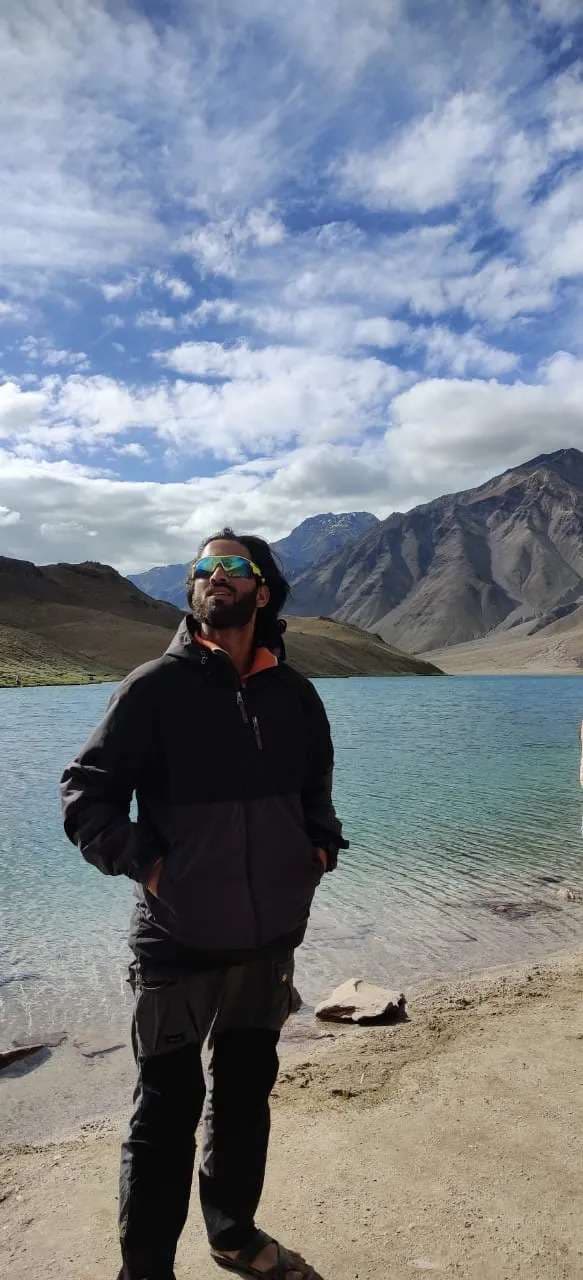
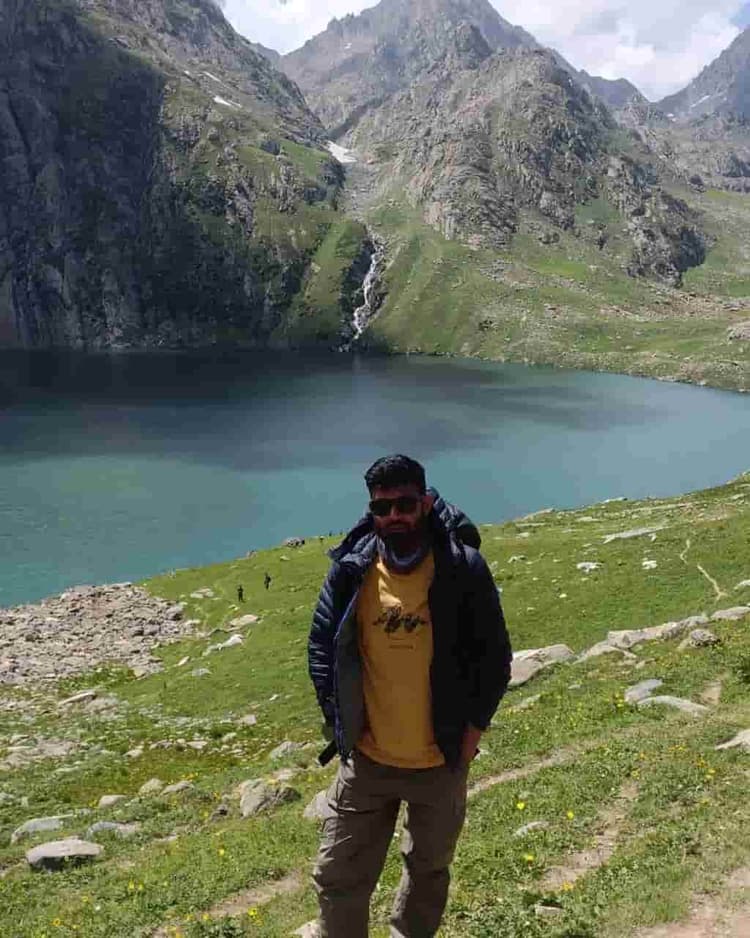
The Nepal Kang Nachugo Trek is a rewarding Himalayan trekking experience that combines breathtaking mountain landscapes, rich cultural encounters, and the thrill of high-altitude adventure. With TrekYaari, trekkers receive expert guidance on itinerary planning, Kang Nachugo trek cost, difficulty level, packing essentials, and seasonal conditions. Our experience-driven approach, trained trek leaders, and strong focus on safety standards ensure a reliable, well-organized, and memorable trekking journey in the mountains of Nepal.
Kang Nachugo lies in the eastern Himalayan region of Nepal and offers stunning views of rugged mountain terrain, pristine valleys, and remote alpine landscapes. Surrounded by towering Himalayan peaks and dramatic ridgelines, this region remains relatively untouched compared to more commercial trekking routes, allowing trekkers to experience the authentic beauty of Nepal’s high mountain environment.
The journey to Kang Nachugo Trek usually begins from Kathmandu, the vibrant capital of Nepal. From here, trekkers travel by road or domestic flight to the trekking starting point in eastern Nepal. The trail gradually ascends through beautiful mountain villages inhabited by Sherpa and Rai communities, where traditional lifestyles, Buddhist monasteries, and prayer flags reflect the deep spiritual heritage of the Himalayan region.
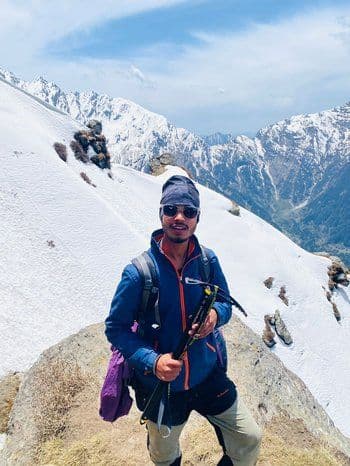
As trekkers move along the trail, they pass through lush rhododendron forests, terraced farmland, suspension bridges, and glacial rivers. Higher sections of the trek reveal expansive alpine meadows, rocky ridges, and spectacular mountain viewpoints. The landscapes constantly evolve as altitude increases, offering dramatic views of distant snow-covered peaks and Himalayan valleys.
The Kang Nachugo Trek requires moderate fitness and proper preparation due to altitude gain and long trekking days. At TrekYaari, we focus on your safety and comfort by offering expert guidance on acclimatization, altitude awareness, and trekking best practices. Our thoughtfully designed itineraries, reliable accommodation, experienced guides, and seamless logistics ensure a safe and enriching trekking experience.
Trekkers also gain the opportunity to experience authentic Himalayan culture by interacting with local villagers, visiting traditional monasteries, and observing centuries-old customs that continue to shape life in the mountains.
Are you ready to explore the hidden trails of the eastern Himalayas? Book your Kang Nachugo Trek with TrekYaari today. We offer transparent pricing, professional support, and personalized services to make your Himalayan adventure truly unforgettable.
Best Time to Visit Kang Nachugo Trek
Choosing the right season is essential for a safe and enjoyable Kang Nachugo Trek, as weather conditions directly influence trail safety, visibility, and overall trekking comfort. Trekking during the ideal months ensures pleasant temperatures, clear mountain views, and a memorable Himalayan experience.
Spring Season (March to June)
Temperatures: Spring is one of the most favorable seasons for the Kang Nachugo Trek. At lower elevations, daytime temperatures range between 14°C and 24°C, while higher trekking areas generally experience temperatures between 6°C and 14°C. Nights can become cold, with temperatures occasionally dropping close to 0°C, especially at higher camps.
Weather Conditions: Spring offers stable weather, clear skies, and excellent mountain visibility. The trekking trails are decorated with blooming rhododendron forests and colorful alpine flowers, creating a vibrant natural environment throughout the journey.
Autumn Season (September to December)
Temperatures: Autumn provides cool and comfortable trekking conditions. Lower elevations experience daytime temperatures between 10°C and 20°C, while higher elevations range between 2°C and 10°C. Nights often fall close to or below freezing as winter approaches.
Weather Conditions: Autumn is widely considered one of the best seasons for the Kang Nachugo Trek due to its dry weather and clear skies after the monsoon season. The atmosphere becomes crisp and transparent, offering spectacular mountain visibility.
Attaining the Height of Kang Nachugo Trek
The Kang Nachugo Trek is considered a moderately challenging yet rewarding Himalayan adventure in Nepal. Although it is not as demanding as some extreme Himalayan expeditions, the trek still requires good physical fitness, mental preparedness, and awareness of high-altitude conditions. The route allows trekkers to explore remote Himalayan landscapes while gradually gaining elevation. No technical mountaineering skills are required, which makes the trek suitable for both experienced trekkers and motivated beginners who are well prepared.
Altitude Challenges - One of the main challenges of the Kang Nachugo Trek is the steady gain in altitude as the journey progresses deeper into the Himalayan region. The trek generally begins from a lower elevation village and gradually climbs to higher alpine zones near Kang Nachugo. As altitude increases, oxygen levels decrease, which may lead to tiredness, slower walking pace, or mild altitude-related discomfort. To ensure safety and comfort, the trekking itinerary includes gradual ascent days and natural acclimatization stops so the body can adapt to higher elevations without stress.
Terrain and Weather Conditions - The Kang Nachugo trekking route offers diverse terrain throughout the journey. Trekkers pass through dense Himalayan forests, traditional mountain villages, alpine meadows, glacial valleys, and rocky mountain trails. Some sections involve steep ascents, narrow paths, and uneven terrain, which require careful footing. Weather conditions in the Himalayan region can change quickly, especially at higher altitudes. Sudden fog, wind, light snowfall, or temperature drops may occur, so proper trekking gear and flexible planning are essential for a safe experience.
Physical Endurance Requirements - A moderate level of physical fitness is necessary to complete the Kang Nachugo Trek comfortably. Trekkers usually walk between 5 to 7 hours each day, covering a mix of gradual climbs and descents. Preparing with cardio exercises, hiking practice, and leg-strengthening workouts before the trek can significantly improve stamina. With proper pacing, hydration, and rest, most trekkers find the journey both manageable and highly enjoyable.
Remote and Basic Facilities - Accommodation along the Kang Nachugo trekking route is usually available in local tea houses or small mountain lodges. These provide basic but comfortable facilities for trekkers. Rooms are typically simple twin-sharing setups with shared washrooms in many locations. Meals are freshly prepared and designed to provide enough energy for long trekking days. While the facilities remain basic compared to city hotels, the warm hospitality of local communities and the peaceful Himalayan surroundings make the stay memorable.
Which Peaks Are Visible on the Trail of Kang Nachugo
The Kang Nachugo Trek offers stunning views of several Himalayan peaks and high mountain landscapes. The journey provides changing perspectives of the surrounding mountains as trekkers move from lower valleys to higher alpine terrain.
From the lower villages and forest sections, trekkers can witness beautiful views of surrounding Himalayan ridges and distant snow-covered peaks. As the trail gradually ascends, the scenery becomes more dramatic with towering mountains appearing closer and more impressive.While trekking through higher valleys and alpine meadows, trekkers can observe panoramic views of Himalayan ranges stretching across the horizon. Snow-covered summits, glacial formations, and dramatic mountain ridges dominate the skyline, offering incredible photography opportunities.
Upon reaching higher viewpoints near Kang Nachugo, trekkers are rewarded with breathtaking panoramic landscapes of surrounding Himalayan peaks. The wide mountain amphitheater, combined with glaciers, rocky slopes, and vast alpine scenery, creates an unforgettable trekking experience in the heart of Nepal’s Himalayan wilderness.
How to Reach Kang Nachugo Trek
Kathmandu, the capital city of Nepal, is the main gateway for the Kang Nachugo Trek. Most trekkers begin their journey from Kathmandu before traveling to the starting point of the trek located in the remote Himalayan region. Well connected by international flights and domestic transportation, Kathmandu serves as the primary hub for trekkers heading toward Kang Nachugo and other Himalayan adventures.
Traveling to the Kang Nachugo Trek
By Air
Domestic Flights: Trekkers traveling to the Kang Nachugo region usually begin their journey from Kathmandu. From here, domestic flights operate to nearby mountain airstrips depending on the trekking route. These short flights typically take between 30 minutes to 1 hour and offer spectacular aerial views of the Himalayan mountain ranges, deep valleys, and snow-covered peaks. Flying is considered the fastest and most convenient way to reach the trekking region before beginning the Kang Nachugo adventure.
Note: International travelers generally arrive at Tribhuvan International Airport in Kathmandu first. After spending a day in the city for trek preparation and permits, they take a domestic flight toward the nearest trekking region before starting the journey on foot.
By Road
From Kathmandu: Depending on the trekking route chosen for Kang Nachugo, travelers may first take a road journey from Kathmandu to the nearest accessible mountain town or trekking base village. The drive usually takes between 6 to 10 hours, depending on the distance, road conditions, and weather. Travelers can choose between tourist buses, private vehicles, or local jeeps. The journey passes through scenic Himalayan foothills, terraced farmlands, rivers, and traditional Nepali villages, offering beautiful glimpses of rural Nepal.
From India: Travelers coming from India can enter Nepal through major border crossings such as Sunauli–Bhairahawa, Raxaul–Birgunj, or Panitanki–Kakarbhitta. From these entry points, they can travel to Kathmandu via road transport or domestic flights. Once in Kathmandu, trekkers can continue their journey toward the Kang Nachugo trekking region by road or air depending on the route and itinerary.
Kang Nachugo Trek Difficulty Level
The Kang Nachugo Trek is considered a moderately challenging Himalayan trek, suitable for trekkers with good physical fitness and proper preparation. Although the trek does not involve technical climbing, the journey includes long walking days, gradual altitude gain, and changing mountain weather conditions. Trekkers should be prepared for steep sections, rocky terrain, and high-altitude environments. With the right planning and a steady pace, the Kang Nachugo Trek offers a rewarding adventure through Nepal’s remote and scenic Himalayan landscapes.
Proper Gear and Clothing - Carrying the right trekking gear is essential for comfort and safety on the Kang Nachugo trail. Weather conditions can vary significantly, with warm temperatures at lower altitudes and colder conditions as trekkers ascend higher into the mountains. Wearing layered clothing, along with durable trekking shoes, insulated jackets, gloves, rain protection, and moisture-wicking base layers, helps trekkers adapt to changing weather throughout the journey.
Hydration and Nutrition - Maintaining proper hydration is extremely important during the Kang Nachugo Trek. As altitude increases, the body requires more fluids to maintain energy levels and prevent fatigue. Trekkers should drink plenty of water each day and consume balanced meals that include carbohydrates, proteins, and warm soups. Proper nutrition supports stamina, recovery, and overall trekking performance.
Weather Awareness and Itinerary Flexibility - Weather conditions in the Nepal Himalayas can change quickly, especially in high-altitude regions. Clear skies can shift to clouds, wind, or snowfall within a short period. Trekkers should remain aware of weather updates and be flexible with their itinerary in case of delays or adjustments required for safety.
Emergency Preparedness - Since the Kang Nachugo Trek passes through remote mountain terrain, emergency preparedness is important. Trekkers should carry basic medical supplies, first-aid kits, and essential contact numbers. Mobile connectivity may be limited in certain sections of the trail, so trekking with experienced guides helps ensure better coordination during unexpected situations.
Travel Insurance - Comprehensive travel insurance is strongly recommended for the Kang Nachugo Trek. The insurance policy should cover high-altitude trekking, medical emergencies, and helicopter evacuation if required in remote Himalayan areas.
Physical Fitness and Mental Readiness - A good level of physical fitness greatly improves the trekking experience. Preparing with cardiovascular training, hiking practice, leg-strength exercises, and endurance workouts before the trek helps the body handle long walking hours and altitude gain. Mental readiness is equally important, as trekking in remote Himalayan environments can be physically and mentally demanding.
Acclimatization and Pace - Maintaining a gradual and steady pace is essential during the Kang Nachugo Trek. Allowing the body enough time to adjust to increasing altitude helps reduce the risk of altitude-related discomfort. Trekkers should walk slowly, take regular breaks, stay hydrated, and enjoy the journey without rushing.
Factors Related to Safety in Kang Nachugo Trek
Safety is an important consideration during the Kang Nachugo Trek, as the journey involves high-altitude terrain, long trekking days, and remote Himalayan environments. With proper preparation, experienced guidance, and responsible trekking practices, the trek can be completed safely while offering a memorable mountain experience.
Proper Acclimatization - Gradual acclimatization is necessary while trekking in higher Himalayan regions. Following a well-planned itinerary allows trekkers to adjust naturally to altitude changes. Early symptoms such as headache, dizziness, fatigue, or nausea should be taken seriously, and trekkers should inform their guides immediately if they experience discomfort.
Experienced Guides and Porters - Trekking with experienced local guides and porters significantly improves safety on the Kang Nachugo route. Their knowledge of mountain trails, weather patterns, and local terrain helps trekkers navigate difficult sections and manage sudden weather changes more effectively.
Physical Preparation - Pre-trek fitness preparation helps reduce the risk of fatigue and injuries. Regular walking, hiking practice, cardio workouts, and strength training prepare trekkers for the long trekking days, steep ascents, and descents commonly encountered in the Himalayan region.
Weather Awareness and Route Safety - Weather in the Nepal Himalayas can be unpredictable. Trekkers should stay informed about daily weather conditions and follow the guidance of experienced trek leaders. Staying on designated trails and avoiding shortcuts helps maintain safety and prevents accidents in rugged terrain.
Proper Gear and Equipment - Using appropriate trekking equipment ensures both comfort and safety during the trek. Sturdy trekking boots with strong grip, warm clothing layers, rain gear, trekking poles, and insulated gear for higher altitudes help trekkers manage varying weather conditions.
Hydration and Nutrition - Maintaining proper hydration and nutrition is essential for sustaining energy levels throughout the trek. Drinking enough water and consuming freshly prepared meals rich in carbohydrates and proteins help the body recover after long trekking days.
Emergency Preparedness and Communication - Emergency preparedness is important in remote Himalayan areas. Trekkers should carry essential first-aid supplies and emergency contacts. While some villages may have limited communication facilities, experienced guides can coordinate evacuation or medical assistance if needed.
Travel Insurance - Trekking insurance that covers high-altitude trekking and emergency evacuation is strongly recommended. It provides financial protection and peace of mind in case of unexpected situations during the Kang Nachugo Trek.
How to Prepare for Kang Nachugo Trek
Prepare yourself for an unforgettable Himalayan adventure with TrekYaari as you get ready for the Kang Nachugo Trek in Nepal. This spectacular trek combines high-altitude landscapes, cultural encounters, and thrilling mountain trails. With proper preparation, the journey becomes safe, enjoyable, and incredibly rewarding. The Kang Nachugo Trek offers trekkers a chance to explore remote Himalayan valleys, traditional mountain villages, and dramatic alpine terrain while experiencing the authentic beauty of Nepal’s mountains.
Understanding the Trek Route - The Kang Nachugo Trek usually begins from one of the Himalayan trailheads in eastern Nepal after traveling from Kathmandu to the nearest accessible mountain region. The route gradually passes through scenic villages, forested valleys, alpine meadows, and rugged mountain landscapes before reaching the higher viewpoints near Kang Nachugo. Trekkers walk through traditional settlements, cross glacial streams, and move along remote Himalayan trails surrounded by breathtaking mountain scenery.
Altitude Acclimatization - As the Kang Nachugo Trek reaches high elevations, proper acclimatization is extremely important. Gradual altitude gain allows the body to adjust naturally to reduced oxygen levels. Trekkers should walk slowly, stay hydrated, and take adequate rest whenever needed. Listening to your body and informing the guide if any symptoms occur helps prevent altitude-related issues.
Physical and Mental Preparation - A moderate to good level of physical fitness is recommended for the Kang Nachugo Trek. Training at least 4–6 weeks before the trek with cardio workouts, stair climbing, long walks, and endurance exercises will prepare the body for daily trekking hours. Mental readiness is equally important because trekking in remote Himalayan environments requires patience, adaptability, and determination.
Cultural Experience and Local Interaction - The Kang Nachugo region offers a wonderful opportunity to experience traditional Himalayan culture. Trekkers pass through small mountain villages where local communities follow centuries-old traditions and lifestyles. Interacting with locals, observing daily village life, and learning about regional customs enrich the trekking journey and provide deeper insight into Nepalese mountain culture.
Panoramic Himalayan Views - Throughout the Kang Nachugo Trek, trekkers are rewarded with magnificent views of surrounding Himalayan peaks, dramatic ridgelines, glaciers, and high-altitude valleys. As the trail ascends higher, the scenery transforms from lush forests and river valleys to alpine landscapes and snow-covered mountains. These constantly changing views make every day of the trek visually exciting and memorable.
Reaching Kang Nachugo Viewpoints - Reaching the higher viewpoints near Kang Nachugo is one of the most exciting highlights of the trek. From these vantage points, trekkers can witness breathtaking panoramas of the surrounding Himalayan ranges, vast glacial valleys, and rugged mountain terrain. The sense of achievement and the stunning natural scenery create unforgettable moments for every trekker.
Best Seasons to Trek - The best time to undertake the Kang Nachugo Trek is during spring (March to May) and autumn (September to November). These seasons offer clear skies, stable weather conditions, and excellent mountain visibility. During spring, colorful rhododendron forests bloom across the hillsides, while autumn provides crisp air and spectacular Himalayan views.
Permits and Trek Logistics - Trekking in Nepal requires specific permits depending on the trekking region. Trekkers may need conservation area permits, trekking permits, or local entry passes issued by Nepalese authorities. Booking guides, porters, transportation, and accommodations in advance helps ensure a smooth and organized trekking experience.
Essential Gear and Packing - Proper gear plays a crucial role in making the Kang Nachugo Trek safe and comfortable. Essential items include high-quality trekking shoes, layered clothing, waterproof jackets, warm sleeping bags, trekking poles, headlamps, and personal medical kits. Packing wisely ensures trekkers remain prepared for changing mountain conditions.
With the right preparation, positive mindset, and expert guidance, the Kang Nachugo Trek becomes an unforgettable Himalayan experience. The journey offers more than just mountain views—it provides personal achievement, cultural discovery, and a deeper connection with nature. Walking through remote valleys, peaceful forests, and rugged high-altitude landscapes allows trekkers to truly experience the spirit of the Nepal Himalayas.
At TrekYaari, we support you throughout every stage of your Kang Nachugo adventure—from careful itinerary planning and logistics to safety management and expert guidance. Our goal is to ensure your trek is well-organized, comfortable, and memorable. Whether you are attempting your first Himalayan trek or continuing your mountaineering journey, the Kang Nachugo Trek promises a remarkable experience that will stay with you long after the adventure ends.


