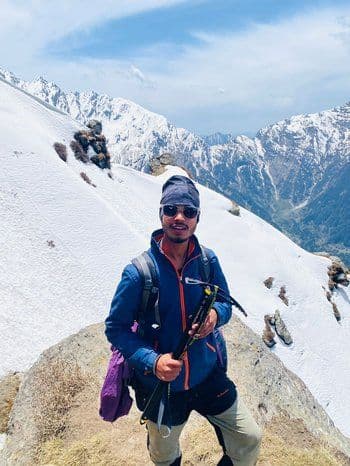
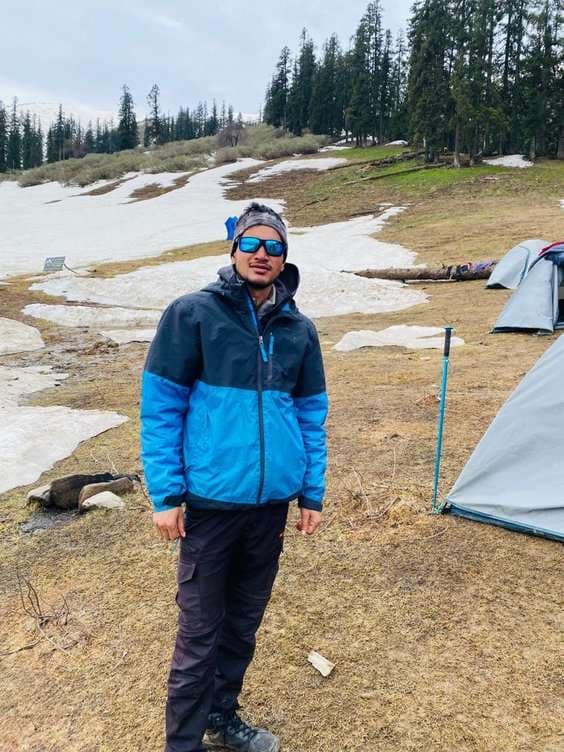
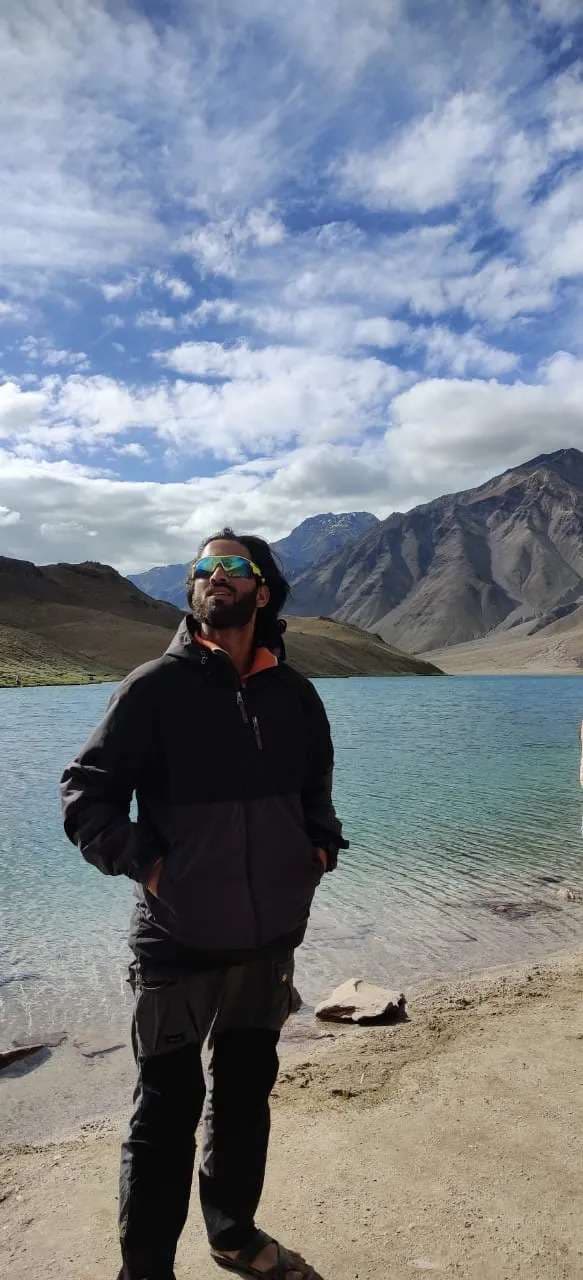
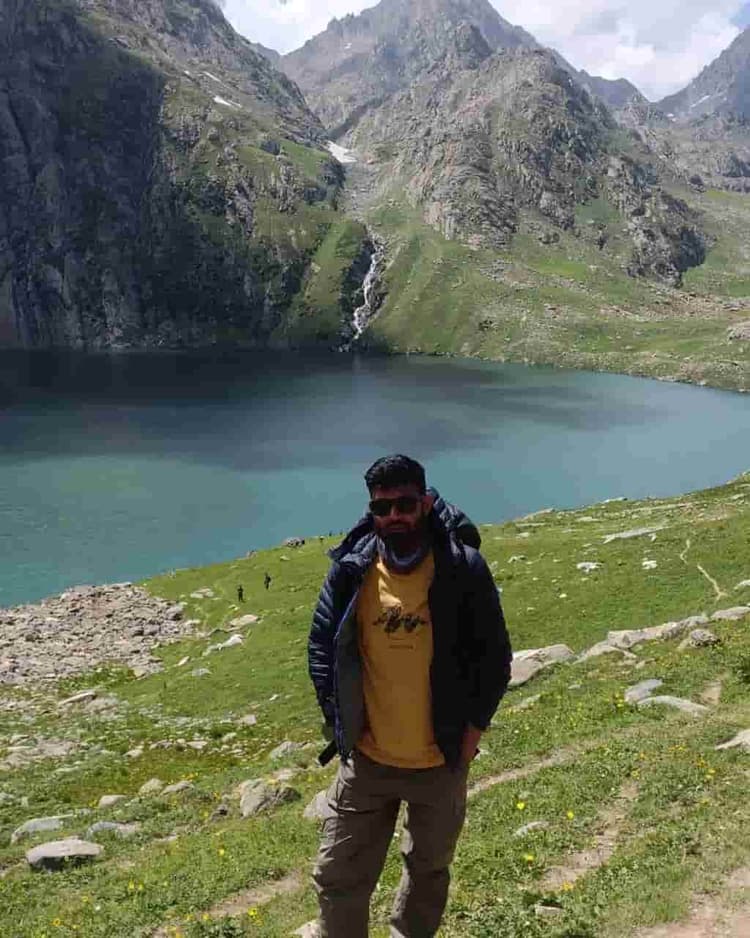
The Nepal Himlung Himal Trek is an extraordinary high-altitude expedition that combines raw Himalayan wilderness, cultural richness, and true mountaineering challenge. With TrekYaari, climbers and trekkers receive expert guidance on expedition planning, Himlung Himal expedition cost, difficulty level, required technical skills, packing essentials, acclimatization strategy, and seasonal conditions. Our experience-driven approach, certified climbing guides, and strict safety standards ensure a professionally organized and unforgettable journey to Himlung Himal.
Himlung Himal stands at an impressive altitude of 7,126 meters (23,379 feet) in Nepal’s remote Nar–Phu Valley near the Tibetan border. Located approximately at 28.883° N latitude and 84.204° E longitude, this majestic peak rises between the Annapurna Range and Manaslu region. Surrounded by dramatic glaciers, high alpine ridges, and snow-covered summits, Himlung Himal offers one of the most rewarding 7,000-meter climbing experiences in the Himalayas.
The journey to Himlung Himal typically begins from Kathmandu, followed by a scenic drive to Besisahar and Koto. From here, the trail enters the restricted Nar–Phu Valley, passing through ancient Tibetan-influenced villages such as Meta, Phu Gaon, and Nar Phedi. The route gradually transitions from lush river valleys to barren alpine terrain and glacial landscapes. Trekkers experience dramatic scenery, suspension bridges, deep gorges, yak pastures, and centuries-old monasteries before reaching Himlung Base Camp.
The Manaslu–Nar Phu region holds significant mountaineering importance. Himlung Himal was first successfully climbed in 1992 by a Japanese expedition team. Since then, it has gained recognition as one of the safest and most accessible 7,000-meter peaks for climbers aiming to progress toward 8,000-meter expeditions. Despite its growing popularity, the mountain retains its remote charm and pristine beauty.
The Himlung Himal Expedition requires excellent physical fitness, high-altitude endurance, and basic mountaineering skills such as the use of crampons, ice axe, harness, and fixed rope techniques. At TrekYaari, we prioritize acclimatization schedules, load ferry rotations, rope fixing, weather monitoring, and emergency preparedness. Our structured itinerary, experienced Sherpa climbing guides, and well-equipped base camp facilities ensure safety, efficiency, and summit success.
Are you ready to challenge yourself in the remote Himalayas? Book your Himlung Himal Expedition with TrekYaari today. We provide transparent pricing, professional climbing support, high-altitude logistics, and personalized guidance to make your expedition successful and memorable. For detailed information on expedition duration, summit strategy, climbing permits, and more, connect with our expert team.
Best Time to Visit Himlung Himal Expedition
Choosing the right season is crucial for a safe and successful Himlung Himal Expedition, as weather stability directly affects climbing conditions, glacier safety, and summit opportunities.
Spring Season (April to May)
Temperatures: Spring is one of the most favorable seasons for climbing Himlung Himal. At Base Camp (approximately 4,900 meters), daytime temperatures range between 5°C and 15°C, while higher camps experience temperatures between -10°C to -20°C. Near the summit, temperatures can drop below -25°C during early morning summit pushes.
Weather Conditions: Spring offers relatively stable weather, clear skies, and manageable wind speeds. Snow conditions are generally favorable for climbing, with well-established expedition routes. Clear mornings provide spectacular Himalayan views across the Annapurna and Manaslu regions. Due to ideal climbing conditions, spring is the most popular season for summit attempts.
Autumn Season (September to November)
Temperatures: Autumn brings crisp air and excellent visibility. Base Camp temperatures remain comfortable during the day, while higher camps and summit sections experience freezing conditions. Night temperatures can fall below -20°C at higher altitudes.
Weather Conditions: Post-monsoon clarity enhances mountain views and glacier stability. Although autumn is slightly less crowded than spring, weather windows for summit attempts are often shorter. The region’s dry conditions make trekking to Base Camp particularly scenic and enjoyable.
Attaining the Height of Himlung Himal Expedition
The Himlung Himal Expedition is considered a challenging high-altitude climb suitable for mountaineers with prior 6,000-meter or 7,000-meter peak experience. While technically moderate compared to steeper Himalayan giants, the altitude and endurance demands are significant.
Altitude Challenges - The expedition begins around 760 meters in Kathmandu and gradually ascends to 7,126 meters at the summit. Reduced oxygen levels above 6,000 meters require careful acclimatization, rotation climbs to higher camps, and adequate rest periods. Our itinerary includes multiple load-carry and acclimatization rotations to ensure safe altitude adaptation.
Terrain and Climbing Conditions - The route to the summit involves glacier travel, snow slopes of 30–40 degrees, fixed rope sections, and crevasse crossings. Climbers must be comfortable walking on crampons and ascending fixed lines using jumars. Weather conditions can shift rapidly, with strong winds and snowfall possible at higher camps.
Physical Endurance Requirements - Climbers should possess strong cardiovascular endurance, muscular strength, and mental resilience. Daily trekking hours range from 5 to 7 hours during the approach, while summit rotations require sustained climbing effort for 8–12 hours. Structured pre-expedition training is strongly recommended.
Remote and Expedition-Style Facilities - Accommodation during the approach trek consists of basic tea houses in Nar–Phu Valley. At Base Camp and higher camps, climbers stay in expedition tents with organized kitchen tents, dining tents, and communication equipment. Facilities are basic yet professionally managed for high-altitude comfort and safety.
Which Peaks Are Visible During Himlung Himal Expedition
The Himlung Himal Expedition offers breathtaking and ever-changing views of some of the most majestic Himalayan peaks throughout the journey. From the lower trekking sections of the Nar–Phu Valley to the high glacial camps and summit ridge, the mountain panorama continuously unfolds in dramatic fashion.
During the Nar–Phu Valley approach, trekkers witness stunning vistas of Annapurna II (7,937 m) rising prominently above the horizon, along with the sharp ridgelines of Lamjung Himal and the striking pyramid of Kang Guru. These peaks create a dramatic backdrop against deep river gorges, barren cliffs, and traditional Tibetan-style villages. The changing landscapes—from green valleys to high alpine desert—make the mountain views even more captivating.
As climbers gain altitude near Base Camp, the scenery becomes wilder and more expansive. The mighty Manaslu (8,163 m) dominates the skyline on clear days, accompanied by the massive bulk of Gyaji Kang and several unnamed Tibetan border peaks stretching toward the north. Glaciers, icefalls, and snow-covered ridges begin to define the high-altitude terrain.
From the higher camps and especially from the summit of Himlung Himal (7,126 m), climbers are rewarded with a spectacular 360-degree panorama. The Annapurna massif spreads to the west, the Manaslu region rises powerfully to the east, and the vast Tibetan plateau extends endlessly to the north. The sense of scale, isolation, and grandeur from the summit makes the view not just scenic, but truly unforgettable and deeply inspiring.How to Reach Kathmandu
Kathmandu, Nepal’s capital city, serves as the starting point for the Himlung Himal Expedition.
How to Reach Kathmandu
Kathmandu, the capital city of Nepal, is the primary gateway for the Everest Base Camp Trek. Serving as the country’s main transportation hub, Kathmandu offers excellent connectivity by air and road, making it easily accessible for both domestic and international travelers. Most trekkers begin their Himalayan adventure from this vibrant city before flying to Lukla.
Traveling to Kathmandu
By Air
International Flights: Kathmandu is served by Tribhuvan International Airport (IATA: KTM), the only international airport in Nepal and the main entry point for travelers from abroad. Several major airlines operate direct and connecting flights to Kathmandu from key international destinations, including Nepal Airlines, Qatar Airways, Turkish Airlines, and other regional carriers. This makes reaching Kathmandu convenient for trekkers planning the Everest Base Camp journey.
Domestic Flights: For travelers already within Nepal, frequent domestic flights connect Kathmandu with major cities such as Pokhara, Biratnagar, Bhairahawa, and Nepalgunj. These flights provide a quick and comfortable way to reach Kathmandu before starting the trek.
Overland Travel
From India: Nepal shares an open border with India, allowing easy overland entry. Popular border crossing points include Sunauli–Bhairahawa and Raxaul–Birgunj. From these locations, travelers can reach Kathmandu via regular buses, tourist coaches, or private taxis, all of which are readily available.
Himlung Himal Expedition Difficulty Level
The Himlung Himal Expedition is categorized as a challenging high-altitude climb. Although considered one of the more achievable 7,000-meter peaks, it demands strong preparation and technical familiarity.
Proper Gear and Equipment - Climbers must carry mountaineering boots, crampons, ice axe, harness, helmet, ascenders, down suit, high-altitude gloves, and sleeping systems rated for extreme cold. Technical climbing equipment is essential for glacier and summit sections.
Hydration and Nutrition - High-altitude nutrition is critical. Adequate hydration supports acclimatization and performance. Expedition meals are designed to provide sufficient calories, carbohydrates, and proteins for sustained climbing effort.
Weather Awareness and Summit Strategy - Summit attempts depend entirely on weather windows. Continuous monitoring of wind speed, snowfall, and temperature is crucial. Flexibility in summit scheduling enhances safety and success rates.
Emergency Preparedness - Satellite phones, radio communication, medical kits, and emergency evacuation planning are integral parts of the expedition. Guides are trained in high-altitude rescue procedures.
Travel Insurance - Comprehensive insurance covering high-altitude mountaineering up to 7,200 meters and helicopter evacuation is mandatory for participation in the expedition.
Physical Fitness and Mental Strength - Beyond physical training, mental resilience plays a major role in high-altitude success. Climbers must remain patient, disciplined, and focused throughout acclimatization and summit rotations.
Factors Related to Safety in Himlung Himal Expedition
Safety is the cornerstone of a successful Himlung Himal Expedition. Climbing above 7,000 meters requires careful planning, disciplined execution, and constant monitoring of both weather and physical condition. With proper systems in place, the expedition becomes significantly safer and more structured.
Proper Acclimatization - Following a structured climb-high, sleep-low strategy is essential to reduce altitude-related risks such as AMS. Multiple rotation climbs between Base Camp and higher camps allow the body to gradually adapt to decreasing oxygen levels, improving strength, stamina, and summit readiness.
Experienced Climbing Sherpas - Our certified high-altitude Sherpa team plays a vital role in ensuring safety. They handle rope fixing, route setting, crevasse navigation, and risk assessment. Their deep knowledge of Himalayan terrain and weather patterns adds confidence and stability to the expedition.
Weather Monitoring - Continuous monitoring of wind speeds, snowfall, and temperature through professional forecasts helps determine safe summit windows. Summit pushes are only planned during stable weather conditions to minimize exposure to extreme winds or sudden storms.
Route Management - Climbers strictly follow established expedition routes, avoiding unnecessary exposure to avalanche-prone slopes or crevasse-heavy glacier sections. Fixed ropes and marked paths enhance safety on steep snow and ice slopes.
Medical Support - Base Camp is equipped with medical kits, oxygen cylinders, pulse oximeters, and emergency response planning for altitude-related complications. Early detection and quick action are key to preventing serious health risks.
Insurance and Permits - Proper climbing permits issued by the Nepal government, along with valid high-altitude insurance covering helicopter evacuation, are mandatory for all participants to ensure legal compliance and emergency preparedness.
How to Prepare for Himlung Himal Expedition
Prepare yourself for a life-changing Himalayan mountaineering experience with TrekYaari.
Understanding the Expedition Route - The journey combines remote trekking through Nar–Phu Valley with technical climbing above Base Camp. Understanding each stage helps build confidence and preparedness.
Altitude Training and Acclimatization - Prior climbs above 6,000 meters significantly improve adaptation. Simulated altitude training and endurance workouts enhance readiness.
Physical and Technical Preparation - Begin training at least 3–4 months in advance, focusing on cardiovascular endurance, strength training, weighted hikes, and technical mountaineering practice.
Cultural Experience and Local Interaction - The Nar–Phu Valley preserves Tibetan Buddhist traditions, ancient monasteries, prayer flags, and yak caravans, adding a deep cultural dimension to the expedition.
Summit Achievement - Standing on the summit of Himlung Himal at 7,126 meters, surrounded by endless Himalayan peaks and vast glaciers, delivers a profound sense of accomplishment and perspective.
Permits and Expedition Logistics - The expedition requires a climbing permit for Himlung Himal, Nar–Phu restricted area permit, Annapurna Conservation Area Permit (ACAP), and organized logistics support.
Essential Gear and Packing - High-altitude down suits, double-layer mountaineering boots, glacier travel equipment, insulated sleeping bags, and personal medical kits are essential for safety and comfort.
With proper preparation, expert guidance, and unwavering determination, the Himlung Himal Expedition becomes more than a climb—it becomes a transformative journey into the heart of the Himalayas. Walking through isolated Himalayan valleys, establishing high camps beneath towering ice faces, and pushing toward the summit under vast Himalayan skies create memories that last a lifetime.
At TrekYaari, we stand beside you at every stage—from planning and permits to summit strategy and safe descent. Whether you are progressing toward 8,000-meter ambitions or seeking your first 7,000-meter summit, the Himlung Himal Expedition promises an extraordinary and unforgettable adventure.


