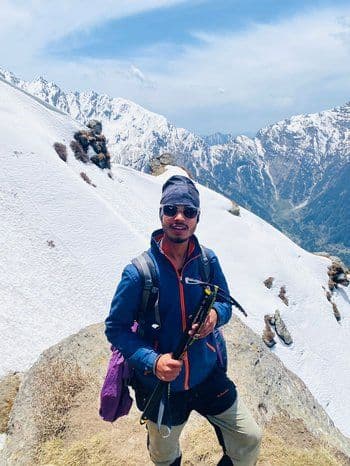
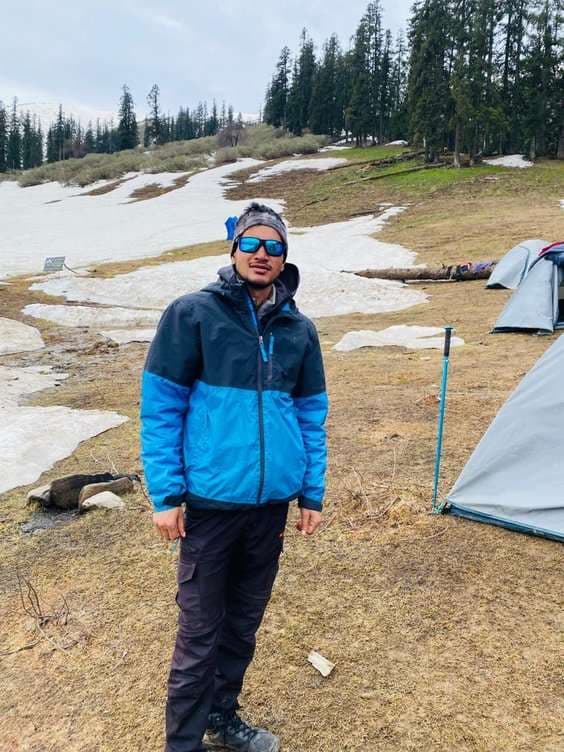
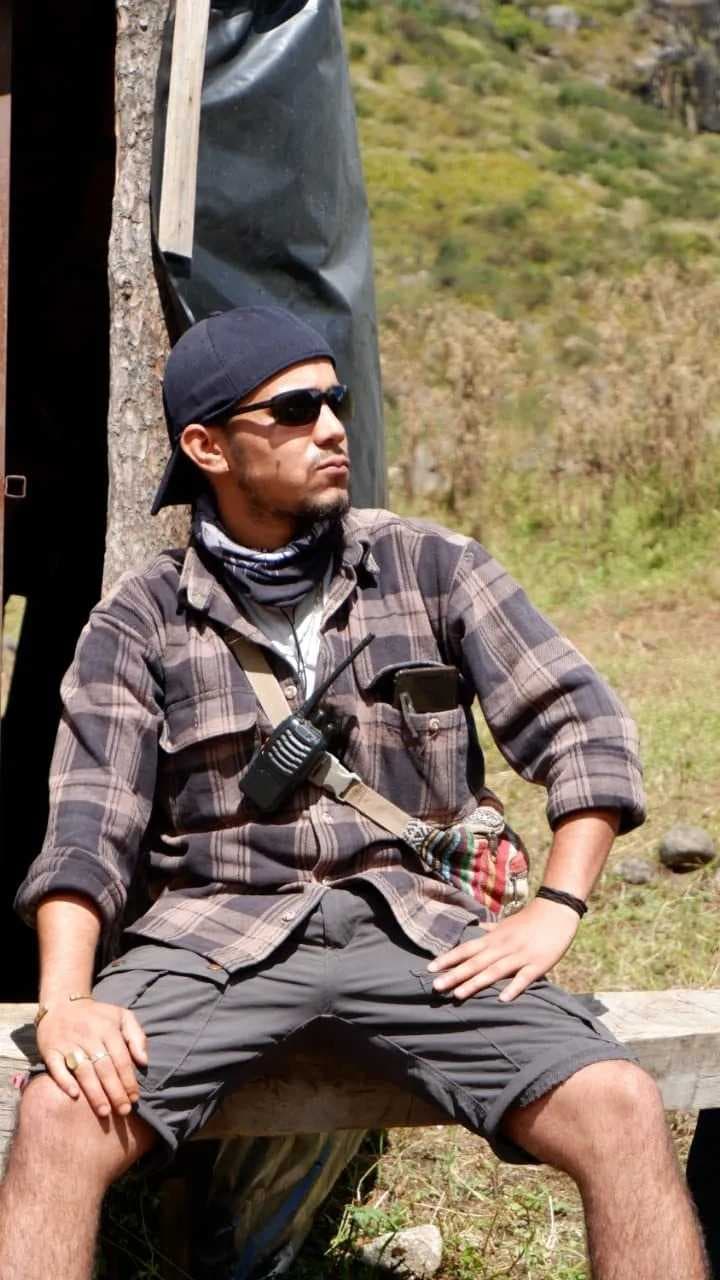
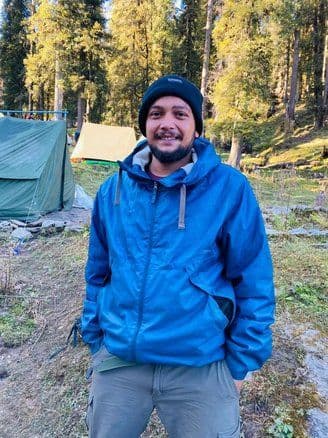
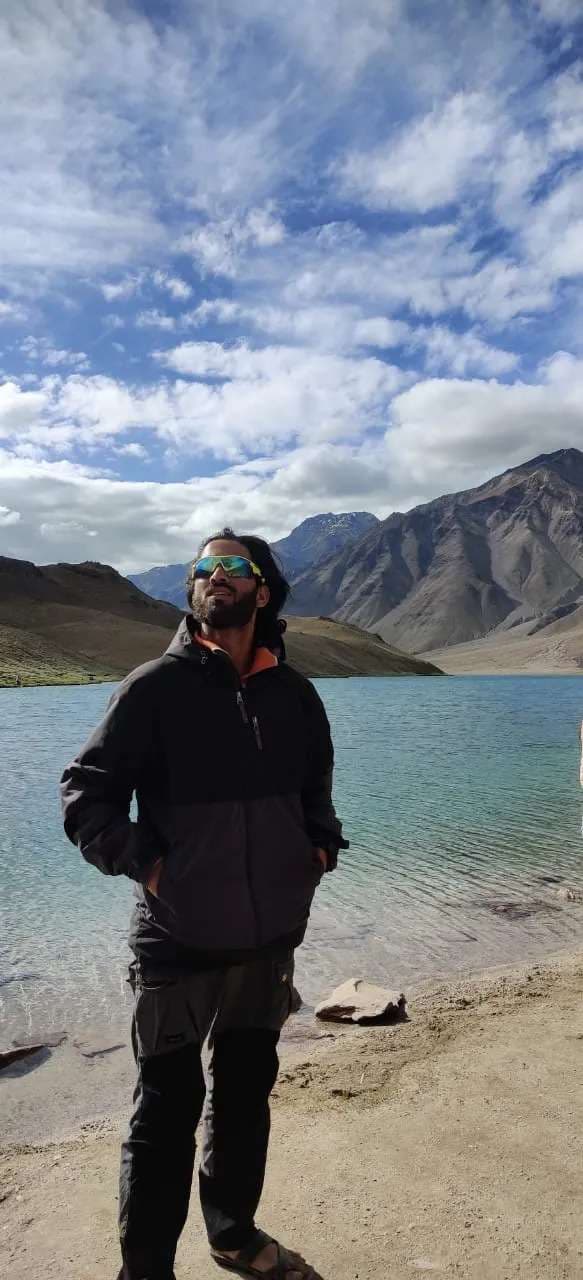
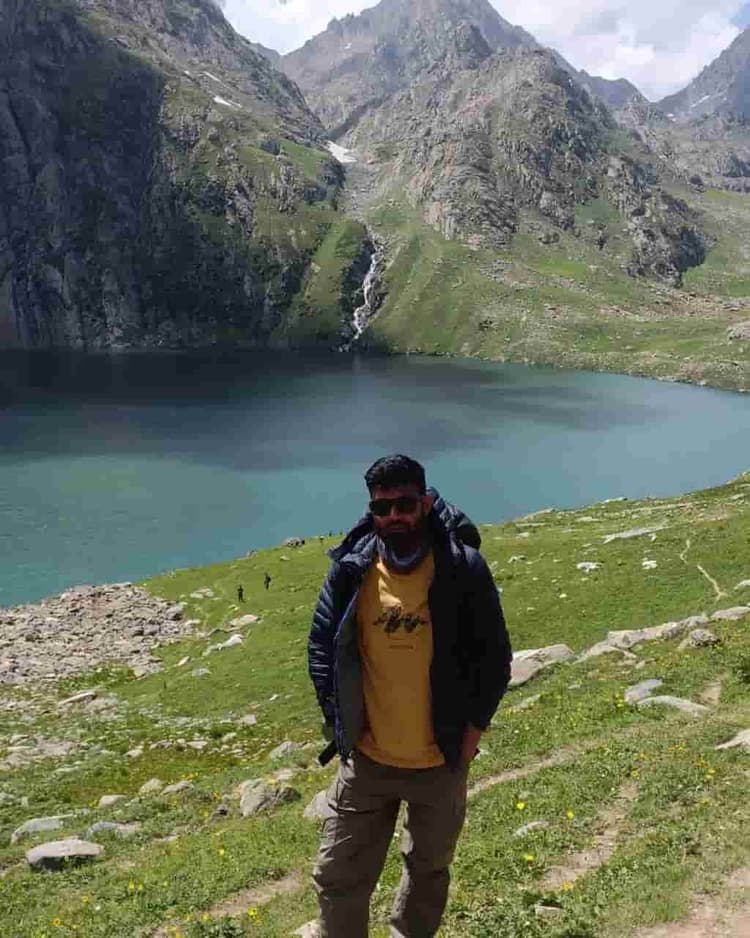
The Annapurna Circuit is one of Nepal’s most iconic and diverse trekking adventures, offering an extraordinary journey through changing landscapes, cultures, and high Himalayan terrain. Encircling the Annapurna Massif, this legendary trek reaches its highest point at Thorong La Pass (5,416 meters / 17,769 feet) and includes a visit to Tilicho Lake (4,919 meters)—one of the highest alpine lakes in the world. Located within the Annapurna Conservation Area, the trek spans latitudes around 28.6° N and 83.9° E, showcasing everything from lush subtropical valleys to arid trans-Himalayan landscapes.
The trail begins from the lower hills of Nepal and gradually ascends through traditional villages, deep river gorges, alpine meadows, and glacial valleys. Trekkers pass through culturally rich settlements such as Dharapani, Chame, Pisang, and Manang, before crossing into the dramatic landscapes of Mustang. Surrounded by towering peaks like Annapurna II, Annapurna III, Gangapurna, Tilicho Peak, Dhaulagiri, and Machapuchare, the Annapurna Circuit offers unmatched mountain diversity and panoramic Himalayan views.
Historically, the Annapurna region holds immense significance in mountaineering. Annapurna I (8,091 m) was the first 8,000-meter peak ever climbed in 1950, marking a turning point in Himalayan exploration. What was once a remote trade route is now one of the world’s most celebrated long-distance treks, blending adventure, culture, and natural beauty.
At TrekYaari, we prioritize safety, acclimatization, and comfort throughout the Annapurna Circuit Trek. Our carefully crafted itineraries, experienced guides, and seamless logistics ensure a safe, immersive, and unforgettable Himalayan journey.
Best Time to Visit Annapurna Circuit Trek
Choosing the right season is essential for a safe and enjoyable Annapurna Circuit Trek, especially due to high-altitude sections like Tilicho Lake and Thorong La Pass.
Spring Season (March to June)
Temperatures: Spring offers mild and pleasant conditions. Lower elevations experience daytime temperatures between 15°C and 25°C, while higher regions such as Manang and Thorong Phedi range between 5°C and 15°C. Night temperatures can drop below freezing at higher altitudes.
Weather Conditions: Spring provides stable weather, clear skies, and blooming rhododendron forests, particularly in lower sections of the trail. Visibility is excellent, offering breathtaking views of Annapurna II, Annapurna III, Gangapurna, and Tilicho Peak. This season is ideal for trekkers seeking vibrant landscapes and comfortable conditions.
Autumn Season (September to Altitude and Difficulty of Annapurna Circuit Trek
The Annapurna Circuit Trek is a moderate to challenging trek that requires good physical fitness and mental preparedness. While no technical climbing skills are required, the high altitude and long trekking days demand proper acclimatization.
Altitude and Difficulty of Annapurna Circuit - The Annapurna Circuit Trek is a moderate to challenging trek that requires good physical fitness and mental preparedness. While no technical climbing skills are required, the high altitude and long trekking days demand proper acclimatization.
Altitude Challenges - The trek starts around 1,100 meters and gradually ascends to 5,416 meters at Thorong La Pass. Oxygen levels decrease significantly at higher altitudes, which may cause fatigue or mild altitude symptoms. Our itinerary includes acclimatization days—especially in Manang—to ensure safe altitude adaptation.
Terrain and Trail Conditions - The trail varies from forested paths and stone staircases to narrow mountain trails and high-altitude desert terrain. The Tilicho Lake section includes rugged and landslide-prone paths, requiring caution and experienced guidance.
Physical Endurance - Trekkers typically walk 5–7 hours daily, involving continuous ascents and descents. Pre-trek training focusing on cardio, leg strength, and endurance is strongly recommended.
Peaks Visible on the Annapurna Circuit Trail
The Annapurna Circuit offers some of the most diverse mountain views in the Himalayas. From the early days of the trek, peaks such as Lamjung Himal and Annapurna II dominate the skyline.
As the trail ascends toward Pisang and Manang, trekkers are rewarded with spectacular views of Annapurna III (7,555 m), Gangapurna (7,455 m), and Tilicho Peak (7,134 m). The detour to Tilicho Lake offers dramatic alpine scenery surrounded by snow-covered peaks and glaciers.
From Thorong La Pass, trekkers enjoy panoramic views stretching across the Annapurna and Dhaulagiri ranges. Descending into Mustang, the landscape transforms into a dry, wind-swept valley with views of Dhaulagiri (8,167 m) and Nilgiri peaks, making the circuit visually unmatched.
How to Reach Kathmandu
Kathmandu, the capital city of Nepal, is the primary gateway for the Everest Base Camp Trek. Serving as the country’s main transportation hub, Kathmandu offers excellent connectivity by air and road, making it easily accessible for both domestic and international travelers. Most trekkers begin their Himalayan adventure from this vibrant city before flying to Lukla.
Traveling to Kathmandu
By Air
International Flights: Kathmandu is served by Tribhuvan International Airport (IATA: KTM), the only international airport in Nepal and the main entry point for travelers from abroad. Several major airlines operate direct and connecting flights to Kathmandu from key international destinations, including Nepal Airlines, Qatar Airways, Turkish Airlines, and other regional carriers. This makes reaching Kathmandu convenient for trekkers planning the Everest Base Camp journey.
Domestic Flights: For travelers already within Nepal, frequent domestic flights connect Kathmandu with major cities such as Pokhara, Biratnagar, Bhairahawa, and Nepalgunj. These flights provide a quick and comfortable way to reach Kathmandu before starting the trek.
Overland Travel
From India: Nepal shares an open border with India, allowing easy overland entry. Popular border crossing points include Sunauli–Bhairahawa and Raxaul–Birgunj. From these locations, travelers can reach Kathmandu via regular buses, tourist coaches, or private taxis, all of which are readily available.
Safety Factors in Annapurna Circuit Trek
Safety is a core focus during the Annapurna Circuit Trek due to altitude, weather, and remote terrain.
Proper Acclimatization: Gradual ascent and rest days reduce altitude-related risks.
Experienced Guides: Local guides ensure safe navigation, weather awareness, and emergency handling.
Weather Awareness: Conditions can change quickly near Thorong La Pass; flexibility is essential.
Proper Gear: Warm layers, trekking poles, sturdy footwear, and rain protection are crucial.
Hydration & Nutrition: Adequate water intake and balanced meals support stamina and recovery.
Travel Insurance: Must cover high-altitude trekking and emergency helicopter evacuation.
How to Prepare for Annapurna Circuit Trek
Preparing well ensures a safe and rewarding experience on the Annapurna Circuit.
Physical Preparation: Begin training 4–6 weeks prior with cardio and strength exercises.
Mental Readiness: Long trekking days and changing terrain require patience and focus.
Cultural Awareness: The trek passes through Gurung, Thakali, and Tibetan-influenced villages—respect local customs.
Permits: Required permits include ACAP and TIMS (as applicable).
Essential Gear: Layered clothing, warm jackets, sleeping bags, trekking poles, and basic medical supplies are essential.
The Annapurna Circuit with Tilicho Lake is more than just a trek—it is a complete Himalayan journey through diverse landscapes, cultures, and extreme altitudes. From lush valleys to sacred temples, high mountain passes, and turquoise alpine lakes, every day brings a new sense of wonder.
At TrekYaari, we are dedicated to delivering a safe, well-organized, and deeply enriching trekking experience. Whether you are an experienced trekker or seeking your next big Himalayan challenge, the Annapurna Circuit Trek promises memories that will stay with you forever.


