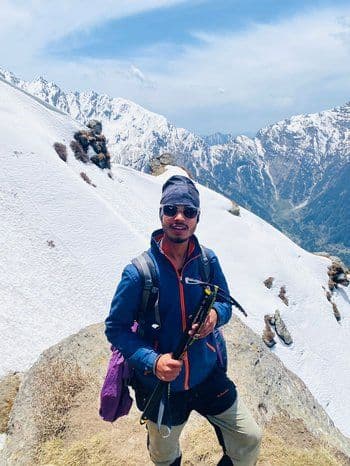
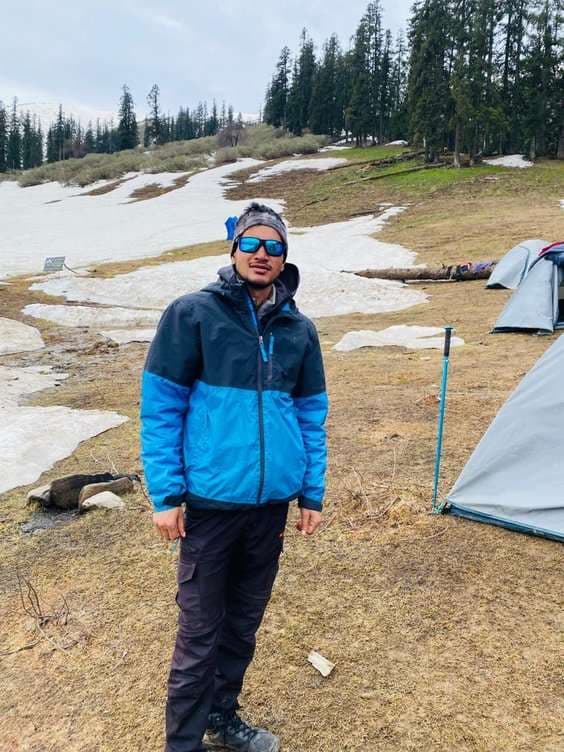

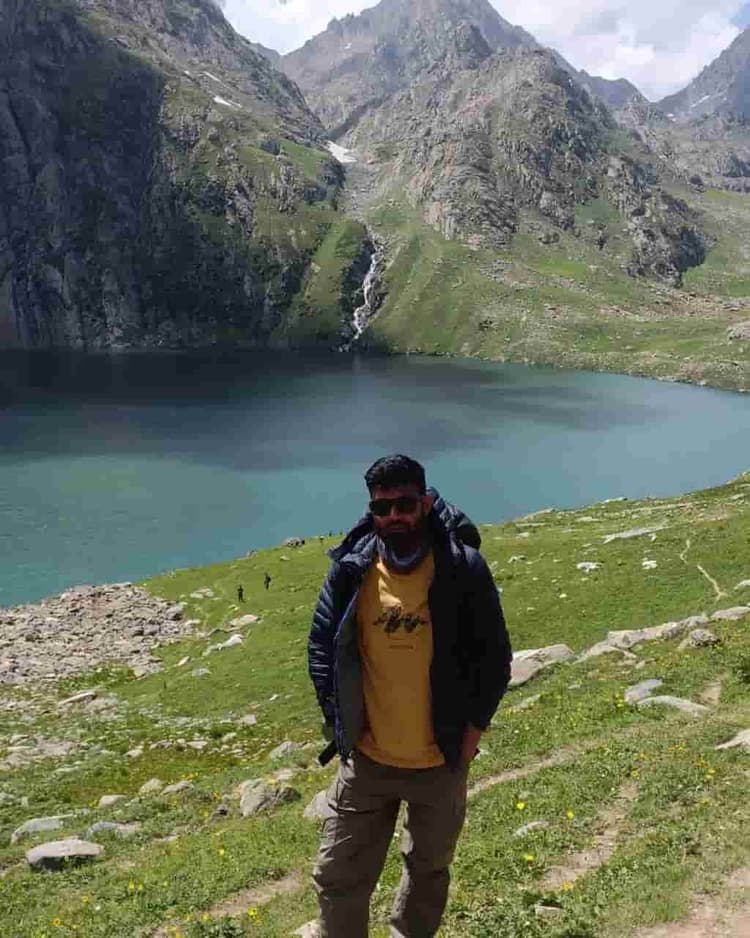
The Nepal Annapurna Base Camp trek is a rewarding base camp trek that combines natural beauty, cultural richness, and physical challenge. With TrekYaari, trekkers receive expert guidance on itinerary planning, Annapurna Base Camp trek cost, difficulty level, packing essentials, and seasonal conditions. Our experience-driven approach, trained trek leaders, and focus on safety standards ensure a reliable, well-organized, and memorable trek to Annapurna Base Camp.
Annapurna Base Camp (ABC) stands at an impressive altitude of 4,130 meters (13,550 feet) in Nepal’s renowned Annapurna Conservation Area. Surrounded by towering Himalayan giants, the base camp lies in a natural amphitheater encircled by Annapurna I, Annapurna South, Hiunchuli, Machapuchare (Fishtail), and Gangapurna. Located at approximately 28.5317° N latitude and 83.8781° E longitude, Annapurna Base Camp offers one of the most dramatic mountain backdrops in the world, where glaciers, snowfields, and alpine landscapes blend seamlessly.
The journey to Annapurna Base Camp typically begins from Pokhara, a picturesque lakeside city. From here, the trail passes through charming Gurung and Magar villages such as Ghandruk, Chhomrong, Bamboo, Dovan, and Machapuchare Base Camp. The trek takes you through lush rhododendron forests, terraced farmlands, cascading waterfalls, and deep river valleys. Along the way, trekkers are rewarded with breathtaking views of Annapurna South, Hiunchuli, Machapuchare, and Annapurna I, making every day on the trail visually unforgettable.
The Annapurna region holds a rich mountaineering legacy. Annapurna I became the first 8,000-meter peak ever climbed in 1950 by Maurice Herzog and Louis Lachenal, marking a historic milestone in Himalayan exploration. What was once a remote high-altitude campsite has now become a popular trekking destination, attracting adventurers from across the globe while still preserving its raw natural beauty and cultural authenticity.
The Annapurna Base Camp Trek requires moderate fitness and proper preparation due to altitude gain and long walking days. At TrekYaari, we focus on your safety and comfort by offering expert guidance on acclimatization, altitude awareness, and trekking best practices. Our thoughtfully designed itineraries, reliable accommodation, experienced guides, and seamless logistics ensure a safe and enriching trekking experience.
Are you ready to immerse yourself in the heart of the Annapurna Himalayas? Book your Annapurna Base Camp Trek with TrekYaari today. We offer transparent pricing, professional support, and personalized services to make your adventure truly memorable. For detailed information on trek distance, total kilometers, difficulty level, and more, feel free to explore our website or connect with our expert team.
Best Time to Visit Annapurna Base Camp Trek
Choosing the right season is essential for a safe and enjoyable Annapurna Base Camp (ABC) Trek, as weather conditions directly influence trail safety, visibility, and overall trekking comfort. Trekking during the best months ensures pleasant temperatures, clear mountain views, and a truly memorable Himalayan experience.
Spring Season (March to June)
Temperatures: Spring is one of the most favorable seasons for the Annapurna Base Camp Trek. At lower elevations, daytime temperatures range between 15°C and 25°C, while at Annapurna Base Camp (4,130 m), daytime temperatures usually remain between 8°C and 15°C. Nights can be chilly, with temperatures dropping to around 0°C to 5°C, so warm layers are necessary, especially at higher altitudes.
Weather Conditions: Spring offers stable weather, clear skies, and excellent visibility, making it ideal for trekking and photography. The trails are beautifully decorated with blooming rhododendron forests, especially around Ghandruk and Chhomrong, adding vibrant colors to the landscape. Trekkers can enjoy stunning close-up views of Annapurna I, Annapurna South, Hiunchuli, Machapuchare (Fishtail), and Gangapurna. Due to its favorable conditions, spring is a popular season for trekkers from around the world.
Autumn Season (September to December)
Temperatures: Autumn provides cool, crisp, and comfortable trekking conditions. At lower altitudes, daytime temperatures remain pleasant, while at higher elevations, daytime temperatures at Annapurna Base Camp generally range between 5°C and 15°C. Night temperatures often fall close to or below freezing, particularly in October and November, making proper insulated clothing essential.
Weather Conditions: Autumn is considered one of the best seasons for the Annapurna Base Camp Trek due to stable weather and minimal rainfall after the monsoon. The skies remain exceptionally clear, offering breathtaking panoramic views of the Annapurna massif and surrounding peaks. The post-monsoon freshness enhances the beauty of forests, rivers, and waterfalls along the trail. Compared to spring, the routes are slightly less crowded, making autumn ideal for trekkers seeking serene landscapes and uninterrupted mountain views.
Attaining the Height of Annapurna Base Camp Trek
The Annapurna Base Camp Trek is considered a moderately challenging yet highly rewarding Himalayan adventure. While it is less demanding than the Everest Base Camp Trek in terms of altitude, it still requires good physical fitness, mental preparedness, and respect for mountain conditions. No technical climbing skills are required, making it accessible to first-time high-altitude trekkers with proper preparation.
Altitude Challenges - One of the primary challenges of the Annapurna Base Camp Trek is gradual altitude gain. The trek usually begins at around 1,070 meters in Pokhara and ascends steadily to 4,130 meters at Annapurna Base Camp. As altitude increases, oxygen levels decrease, which may cause fatigue or mild altitude-related symptoms. To ensure safety, our itinerary includes a gradual ascent with proper rest days and natural acclimatization, allowing your body to adjust comfortably to higher elevations.
Terrain and Weather Conditions - The Annapurna Base Camp trail offers a diverse range of landscapes, from terraced farmlands and lush rhododendron forests to narrow gorges, stone staircases, and alpine terrain. Numerous ascents and descents, along with uneven stone steps—especially between Chhomrong and Bamboo—add to the physical challenge. Weather conditions can change quickly, with rain, fog, or sudden temperature drops possible, particularly in higher sections near Machapuchare Base Camp and Annapurna Base Camp.
Physical Endurance Requirements - A moderate level of physical fitness is required to complete the Annapurna Base Camp Trek comfortably. Daily walking hours typically range between 5 to 7 hours, involving continuous climbs and descents. We recommend preparing with cardiovascular workouts, leg-strengthening exercises, and endurance training before the trek. With proper fitness and pacing, the trek becomes an enjoyable and fulfilling experience.
Remote and Basic Facilities - Accommodation along the Annapurna Base Camp route consists mainly of local tea houses offering basic yet comfortable facilities. Rooms are simple, usually on a twin-sharing basis, with shared bathrooms in most places. Meals are freshly prepared and provide the necessary energy for trekking days. While luxury is limited, these lodges offer warmth, hospitality, and a peaceful resting environment amid the Himalayan wilderness.
Which Peaks Are Visible on the Trail of Annapurna Base Camp
The Annapurna Base Camp (ABC) Trek offers some of the most spectacular and close-up mountain views in the Himalayas. The trail leads trekkers deep into the Annapurna Sanctuary, a natural amphitheater surrounded by towering snow-covered peaks, making the journey visually rewarding from start to finish.
From Ghandruk and Chhomrong, trekkers are greeted with stunning views of Annapurna South (7,219 m) and Hiunchuli (6,441 m), rising dramatically above terraced hills and lush forests. On clear mornings, the iconic Machapuchare (Fishtail – 6,993 m) dominates the skyline, revered for its sacred, unclimbed summit and elegant double peak.
As the trail ascends through Bamboo, Deurali, and Machapuchare Base Camp, the scenery transforms into high alpine terrain. Machapuchare appears closer and more imposing, while Annapurna III (7,555 m) and Gangapurna (7,455 m) emerge with striking glacial faces. The narrowing valley intensifies the feeling of walking into the heart of the Himalayas.
Upon reaching Annapurna Base Camp (4,130 m), trekkers are surrounded by a 360-degree panorama of majestic peaks. Annapurna I (8,091 m)—the first 8,000-meter peak ever climbed—stands prominently, flanked by Annapurna South, Hiunchuli, Gangapurna, and Tent Peak (Tharpu Chuli). This breathtaking mountain circle creates one of the most awe-inspiring base camp settings in the world, making the ABC trail a truly unforgettable Himalayan experience.
How to Reach Pokhara
Pokhara, Nepal’s most scenic lakeside city, is the primary gateway for the Annapurna Base Camp Trek. Located at the foothills of the Annapurna range, Pokhara serves as the main starting point for most Annapurna-region treks. Well connected by air and road, Pokhara is easily accessible for both domestic and international travelers.
Traveling to Pokhara
By Air
Domestic Flights: Pokhara is served by Pokhara International Airport (PKR), which operates frequent domestic flights from Kathmandu. The flight duration is approximately 25–30 minutes, offering breathtaking aerial views of the Himalayan range on clear days. Several domestic airlines operate this route, making air travel the fastest and most convenient way to reach Pokhara before starting the Annapurna Base Camp Trek.
Note: International travelers usually arrive in Kathmandu first and then take a domestic flight to Pokhara.
By Road
From Kathmandu: Pokhara is located about 200 kilometers west of Kathmandu. The road journey takes approximately 6 to 8 hours, depending on traffic and road conditions. Travelers can choose from tourist buses, luxury coaches, local buses, or private taxis. The drive follows scenic river valleys, terraced hillsides, and rural settlements, making the journey enjoyable and culturally enriching.
From India: Travelers from India can enter Nepal via popular border crossings such as Sunauli–Bhairahawa or Raxaul–Birgunj. From these entry points, Pokhara can be reached by domestic flights, tourist buses, or private vehicles. Road travel from the border towns to Pokhara is well established and commonly used by trekkers.
Annapurna Base Camp Trek Difficulty Level
The Annapurna Base Camp (ABC) Trek is generally considered a moderate trek, suitable for trekkers with reasonable fitness and proper preparation. While it is less demanding than the Everest Base Camp Trek in terms of altitude, the continuous ascents and descents, long walking days, and changing weather conditions still present notable challenges. No technical climbing skills are required, but awareness and readiness are essential for a safe and enjoyable trek.
Proper Gear and Clothing - Carrying appropriate trekking gear is crucial for comfort and safety on the Annapurna Base Camp trail. Weather conditions can vary from warm and humid at lower elevations to cold near the base camp. Dressing in layers, along with sturdy trekking shoes, warm jackets, gloves, rainwear, and moisture-wicking clothing, helps trekkers adapt easily to changing temperatures.
Hydration and Nutrition - Staying well-hydrated is important throughout the trek, even though the altitude is lower compared to Everest Base Camp. Drinking sufficient water daily helps prevent fatigue and supports acclimatization. Consuming balanced, high-energy meals such as carbohydrates, proteins, and soups aids in maintaining stamina and recovery during long trekking days.
Weather Awareness and Itinerary Flexibility - Weather in the Annapurna region can change quickly, especially during shoulder seasons. Rain, fog, or sudden temperature drops are possible at higher altitudes. Trekkers should remain informed about weather conditions and stay flexible with their itinerary to manage delays or route adjustments smoothly.
Emergency Preparedness - While the Annapurna region is relatively well-developed compared to some remote Himalayan areas, emergency preparedness remains important. Keep essential contact numbers readily available, and be aware that mobile connectivity may be limited in certain sections of the trail. Carrying basic medical supplies and knowing emergency procedures adds an extra layer of safety.
Travel Insurance - Comprehensive travel insurance is strongly recommended for the Annapurna Base Camp Trek. Ensure your policy covers high-altitude trekking, medical emergencies, and helicopter evacuation if necessary.
Physical Fitness and Mental Readiness - A good level of physical fitness significantly enhances the trekking experience. Regular cardiovascular exercises, leg-strengthening workouts, and endurance training before the trek help prepare your body for daily ascents and descents. Mental preparedness is equally important, as continuous walking and changing terrain can be mentally demanding.
Acclimatization and Pace - Although the Annapurna Base Camp Trek reaches a lower altitude than Everest Base Camp, maintaining a steady pace and allowing your body to adjust naturally is essential. Trek slowly, take regular breaks, stay alert to physical symptoms, and enjoy the journey without rushing.
Factors Related to Safety in Annapurna Base Camp Trek
Safety is a key aspect of the Annapurna Base Camp Trek, as the journey involves continuous ascents and descents, changing weather conditions, and remote mountain terrain. Although the altitude is lower than Everest Base Camp, proper planning, awareness, and preparation are essential to ensure a safe and comfortable trekking experience.
Proper Acclimatization - Even though Annapurna Base Camp stands at 4,130 meters, gradual acclimatization is still important to avoid altitude-related discomfort. Following a well-paced itinerary allows the body to adjust naturally. Trekkers should be aware of early symptoms such as headache, fatigue, nausea, or loss of appetite and inform guides immediately if any discomfort arises.
Experienced Guides and Porters - Trekking with experienced local guides and porters greatly enhances safety on the ABC trail. They have excellent knowledge of trail conditions, weather patterns, and local terrain. Their support is especially valuable on steep stone staircases, narrow paths, and during sudden weather changes.
Physical Preparation - Pre-trek fitness preparation helps reduce the risk of injuries and exhaustion. Regular cardio exercises, leg-strengthening workouts, and endurance training prepare trekkers for long walking hours, steep climbs, and descents that are common on the Annapurna route.
Weather Awareness and Route Safety - Weather in the Annapurna region can change quickly, especially during monsoon and shoulder seasons. Staying updated on daily weather forecasts and being flexible with the trekking plan is important. Trekkers should always follow marked trails and avoid risky shortcuts to ensure route safety.
Proper Gear and Equipment - Using appropriate trekking gear improves both comfort and safety. Sturdy trekking shoes with good grip, layered clothing, rain protection, trekking poles, and warm gear for higher altitudes help protect against cold, rain, and slippery trails.
Hydration and Nutrition - Proper hydration and balanced nutrition are essential throughout the trek. Drinking enough water helps maintain energy levels and supports acclimatization. Consuming freshly prepared meals rich in carbohydrates and proteins aids recovery after long trekking days. Alcohol and smoking should be avoided during the trek.
Emergency Preparedness and Communication - Although the Annapurna region is relatively well-developed, emergency preparedness is still crucial. Keep important contact numbers accessible, and note that mobile network coverage may be limited in some sections. Guides are trained to handle emergencies and coordinate evacuations if required.
Travel Insurance - Comprehensive travel insurance is strongly recommended for the Annapurna Base Camp Trek. Ensure your policy covers high-altitude trekking, medical emergencies, and helicopter evacuation to provide financial protection and peace of mind.
How to Prepare for Annapurna Base Camp Trek
Prepare yourself for an unforgettable Himalayan adventure with TrekYaari as you get ready for the Annapurna Base Camp Trek. This scenic journey combines physical challenges, cultural immersion, and breathtaking mountain landscapes. With proper preparation, the trek becomes safe, enjoyable, and deeply rewarding.
Understanding the Trek Route - The trek usually begins from Pokhara, followed by a drive to trailheads such as Nayapul or Jhinu. The route passes through charming villages like Ghandruk and Chhomrong, dense forests, river valleys, and alpine landscapes before reaching Machapuchare Base Camp and Annapurna Base Camp. The trail offers a perfect mix of natural beauty and local culture.
Altitude Acclimatization - Although ABC is lower than Everest Base Camp, acclimatization is still important. A gradual ascent and steady pace help the body adapt to altitude changes naturally. Proper rest, hydration, and listening to your body play a key role in preventing altitude-related issues.
Physical and Mental Preparation - A moderate level of fitness is required for the Annapurna Base Camp Trek. Begin training at least 4–6 weeks before the trek, focusing on cardio workouts, leg strength, and stamina. Mental preparedness is equally important, as continuous climbs and descents can be physically and mentally demanding.
Cultural Experience and Local Interaction - The Annapurna region is home to welcoming Gurung and Magar communities. Interacting with locals, experiencing traditional village life, and observing local customs add a rich cultural dimension to the trek and make the journey more meaningful.
Panoramic Himalayan Views - Throughout the trek, trekkers enjoy breathtaking views of Annapurna I, Annapurna South, Hiunchuli, Machapuchare (Fishtail), Gangapurna, and surrounding peaks. The scenery transitions from lush green forests to snow-covered landscapes, offering stunning views every day.
Reaching Annapurna Base Camp - Standing at Annapurna Base Camp, surrounded by towering peaks in a natural amphitheater, is the highlight of the trek. The 360-degree mountain panorama creates a sense of achievement and awe that remains unforgettable.
Best Seasons to Trek - The best times for the Annapurna Base Camp Trek are spring (March to June) and autumn (September to December). These seasons offer stable weather, clear skies, and comfortable trekking conditions.
Permits and Trek Logistics - Trekkers require permits such as the Annapurna Conservation Area Permit (ACAP) and local entry permits as applicable. During peak seasons, booking guides, porters, and accommodations in advance ensures a smooth trekking experience.
Essential Gear and Packing - Essential gear includes good-quality trekking shoes, layered clothing, rain protection, warm jackets, sleeping bags, trekking poles, and personal medical supplies. Proper packing ensures comfort, safety, and readiness for changing mountain conditions.
With proper preparation, the right mindset, and expert guidance, the Annapurna Base Camp (ABC) Trek transforms from a challenging mountain journey into a deeply enriching and life-changing experience. It is not just a trek—it is a path to personal growth, self-discovery, and a close connection with the majestic landscapes of the Annapurna Himalayas. Walking through traditional Gurung and Magar villages, lush rhododendron forests, terraced farmlands, and dramatic glacial valleys, every day on the trail offers something unique and inspiring. The grand amphitheater of Annapurna Base Camp, surrounded by towering peaks like Annapurna I, Machhapuchhre, and Hiunchuli, leaves trekkers truly awestruck.
At TrekYaari, we are committed to supporting you at every step of your ABC journey—from careful planning and seamless logistics to safety, acclimatization, and knowledgeable local guidance. Our goal is to ensure that your trek is comfortable, well-managed, and memorable. Whether this is your first Himalayan trek or another chapter in your mountain adventures, the Annapurna Base Camp Trek promises an unforgettable experience that will remain with you long after the trail ends.


